WHY SMART G-Rex®?

Intelligent Automation for the Golden Age of Ex Vivo Cell & Gene Therapy

SMART G-Rex® technology benefits every major function of a cell and gene-modified cell therapy developer, with transformational impact on process development (PD), manufacturing science & technology (MSAT), quality control and assurance (QC/QA), and regulatory affairs (RA).

Process Analytical Technology

SMART G-Rex® Is an Integrated Process Analytical Technology (PAT)

In accordance with previously issued guidance from the US FDA, SMART sensors satisfy the criteria and are poised to deliver the benefits of integrated PAT.

Reducing production cycle times by using on-, in-, and/or at-line measurements and controls

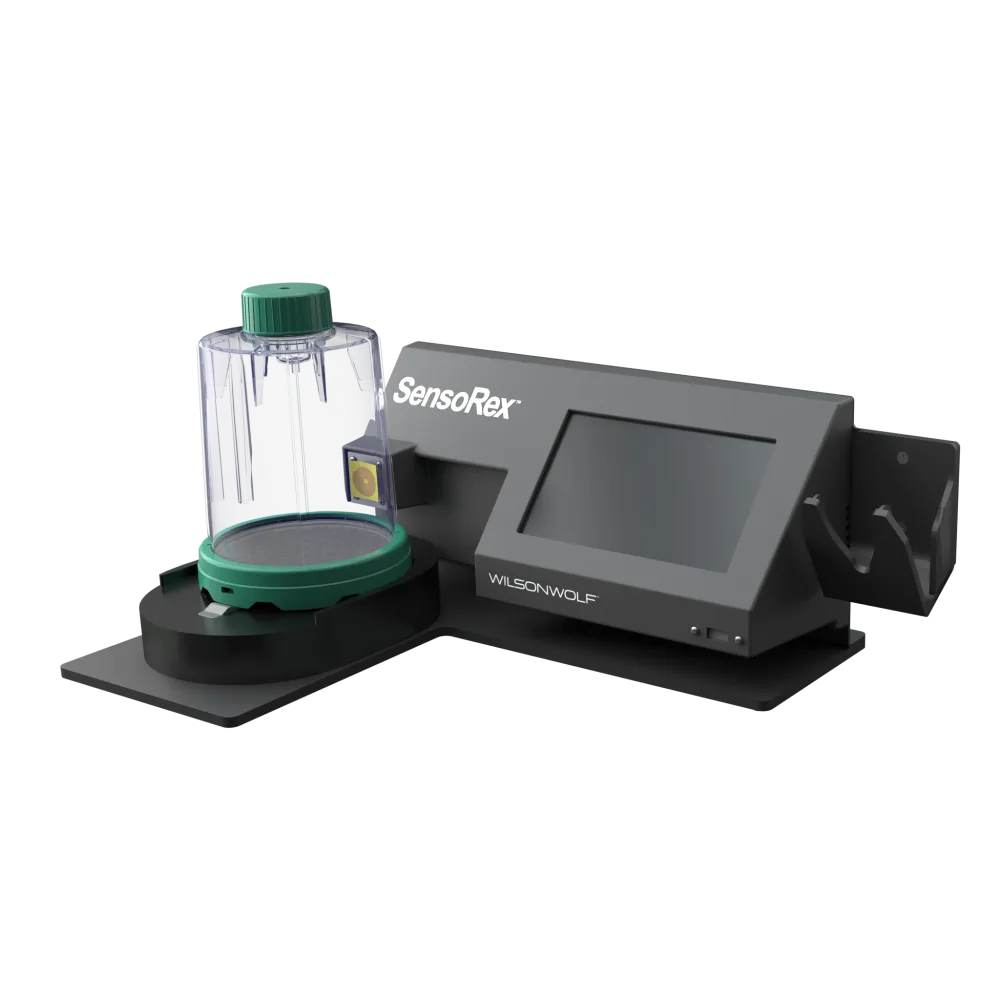
A SensoRex™ benchtop reader with a SMART G-Rex® bioreactor positioned on its stage

Eliminating the physical cell count directly reduces the cycle time associated with gathering this information. Normally, taking a cell count in G-Rex® requires:

  1. volume reduction of the bioreactor.
  2. resuspension of the drug substance.
  3. a sterile weld onto the PVC tubing.
  4. extraction of the drug substance.
  5. a thermal seal.
  6. the cell count itself.

If the drug substance is drawn with a syringe through a luer, the process also involves the biosafety cabinet and all associated environmental monitoring.

Preventing rejects, scrap, and re-processing

Detecting aberrant growth can help prevent the production of defective or out-of-spec drug product and potentially avoid re-processing. The 2026 Cytotherapy manuscript demonstrates that stunted growth could be detected early in the process, giving manufacturers earlier insight into whether or not dose requirements are likely to be met. If dosing requirements are unlikely to be satisfied, the manufacturer would know this in advance and could take action accordingly. Moreover, aberrant growth may also indicate signs of a sterility breach. If bacteria are growing in the culture, the resonant frequency profile would illuminate this, affording manufacturers more time to take the appropriate action.

7284961081201321441561680123456789101112Regular SGIStunted SGITime (Hours)SGI (%)
012243648607284961081201321441561681801920246810121416182022Uncontaminated SGIContaminated SGITime (hours)SGI (%)

Increasing automation to improve operator safety and reduce human errors

6.57.07.58.08.59.09.510.010.511.011.512.012.50.00.10.20.30.40.50.6SGI HistogramWeibull Fit (MLE)99% CI Threshold = 7.08SGI (%)Probability Density

Automating decision-making and reducing human errors often go hand in hand. The 2026 SMART G-Rex® manuscript illustrates how thresholds could be set through robust process characterization and statistical analysis. For example, across 45 cell culture runs, a SMART Growth Index (SGI) value of 7 resulted in a 99% confidence interval that a SMART G-Rex®100M would yield at least 3×10⁹ total cells. Consequently, this approach of setting thresholds with known confidence intervals could be used to remove the subjectivity of visually inspecting a G-Rex® to determine when a culture is ready for harvest, in favor of an objective measurement such as the resonant frequency or SMART Growth Index (SGI) value.

Improving energy and material use and increasing capacity

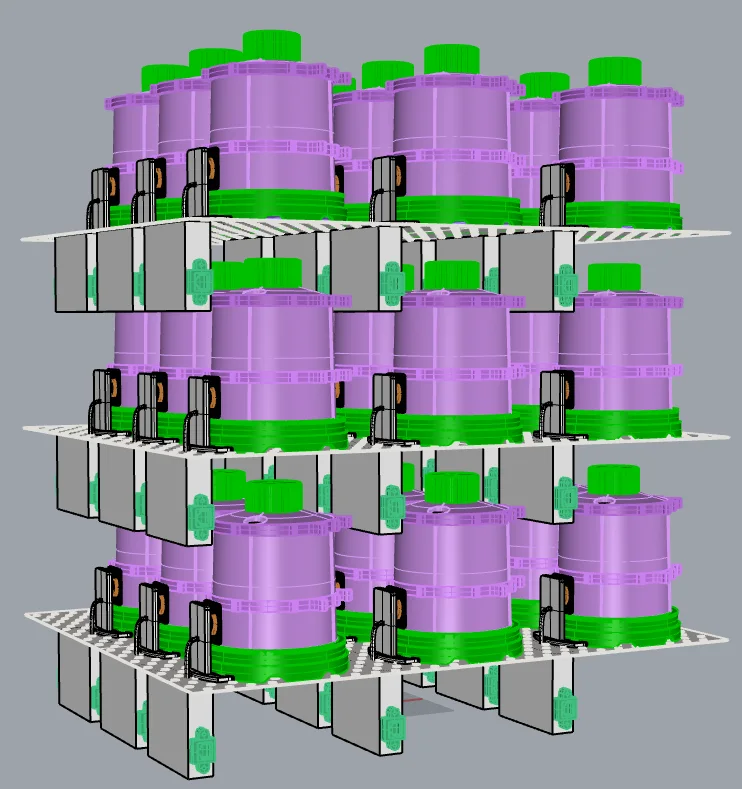
CAD of a Heracell incubator with 27 SMART G-Rex®100M in 3×3 arrays

Aside from the production capacity gained through cycle time reduction, next-generation SensoRex™ instruments currently in development reside permanently inside your incubator, with additional functionality to dramatically increase capacity through greater control and enhanced segregation procedures. Similar to a standard warehousing operation, each SMART G-Rex® is stored in a known location, with full traceability and segregation from the other SMART G-Rex® vessels. Visual cues, such as RGB lighting, and enhanced inventory management will prevent mix-ups and provide both greater control and production capacity to manufacturers.

Facilitating continuous processing to improve efficiency and manage variability

0050501001001501500510152025051015Run Time = 26.52 hrtime (h)time (h)SGI uploadSGI scrub

A G-Rex® residing in an incubator is a form of continuous processing, and the next-generation continuous-reader form of SensoRex™ allows for growth monitoring (via resonant frequency) completely autonomously, with no human intervention. Every minute, of every hour, of every day in production, the SensoRex™ interrogates and reports the resonant frequency from within the incubator itself. A single cable brings power to the SensoRex™ array inside the incubator and simultaneously retrieves the data, which can be sent outside the incubator to an external database such as an ERP, LIMS, or electronic batch record system.

Real-time release

SMART G-Rex® and SensoRex™ alone are unlikely to be sufficient to facilitate a real-time release strategy, as real-time release would likely require additional tools, controls, and characterization. Nonetheless, the ability to monitor dose progression and sterility in real time is certainly a tailwind for any manufacturer inclined to develop and implement a real-time release strategy.

ICH & Quality by Design

Build Quality Into the Process

Quality by Design (QbD) is a foundational principle of the International Council for Harmonisation of Technical Requirements for Pharmaceuticals for Human Use (ICH). Rather than relying exclusively on end-product testing to verify quality, QbD emphasizes building quality into the manufacturing process through enhanced process understanding, risk management, and effective control strategies.

SMART G-Rex® and SensoRex™ provide manufacturers with non-invasive, in-line process measurements that can help operationalize these principles throughout drug development and commercial manufacturing.

ICH Q8(R2)

Pharmaceutical Development

Enhance process understanding.

ICH Q8(R2) encourages systematic pharmaceutical development, including the use of Design of Experiments (DoE), process analytical technologies, and multivariate analysis to understand the relationships between process parameters and critical quality attributes (CQAs).

SMART G-Rex® enables manufacturers to characterize cell expansion kinetics under different manufacturing conditions without repeated invasive sampling. When combined with well-structured DoE studies and orthogonal analytical methods, these additional measurements can accelerate process characterization, inform process optimization, and support the development of robust control strategies.

ICH Q9(R1)

Quality Risk Management

Identify, assess, and mitigate manufacturing risks.

ICH Q9(R1) establishes a systematic, science-based approach to identifying, assessing, controlling, and reviewing risks to pharmaceutical product quality.

SMART G-Rex® can reduce risks associated with conventional invasive sampling by providing insight into cell expansion without opening the bioreactor or withdrawing drug substance. Additionally, monitoring cell growth kinetics can help manufacturers identify atypical process behavior earlier, supporting more informed, risk-based manufacturing decisions.

ICH Q10

Pharmaceutical Quality System

Enable continual process improvement.

ICH Q10 emphasizes maintaining a state of control throughout the pharmaceutical product lifecycle through process performance monitoring, knowledge management, and continual improvement.

SMART G-Rex® provides an additional source of objective manufacturing data that can be collected, analyzed, and trended across production runs. These data can help manufacturers identify sources of process variability, evaluate opportunities for improvement, and strengthen their understanding of manufacturing performance over time.

Defects

SMART G-Rex® helps reduce the risk of defects by providing non-invasive insight into dose progression and process behavior. Earlier visibility into atypical growth can support timely intervention and reduce the likelihood of failed or out-of-specification manufacturing outcomes.

Overproduction

Manufacturers often prepare excess media, reagents, or downstream resources “just in case” culture performance varies. By improving visibility into growth kinetics, SMART G-Rex® can help teams plan more precisely and reduce unnecessary preparation of materials and manufacturing capacity.

Waiting

Manual sampling creates delays between what is happening inside the bioreactor and when the manufacturer obtains that information. SMART G-Rex® lowers the barrier to gathering process insight, supporting more timely decisions around feeding, monitoring, and harvest readiness.

Unused Talent

Highly trained personnel should spend more time solving meaningful process problems and less time performing repetitive manual checks. SMART G-Rex® simplifies the collection of process intelligence, allowing technical talent to focus on higher-value activities such as process optimization, deviation investigation, and continuous improvement.

Transportation

Conventional sampling often requires moving the bioreactor to a biosafety cabinet or other designated processing area. SMART G-Rex® eliminates the need for these additional handling steps when assessing growth kinetics, reducing unnecessary movement and associated resources.

Inventory

Greater visibility into manufacturing performance can improve planning for media, reagents, consumables, and downstream processing capacity. Furthermore, passive resonant sensors are relatively simple to fabricate compared with mechanically complex monitoring systems, supporting a more resilient supply model.

Motion

Manual sampling introduces unnecessary operator movement and repeated physical intervention with the bioreactor. SMART G-Rex® reduces this motion by enabling measurements without sample withdrawal. Future continuous-reader configurations could eliminate the need to move the bioreactor for monitoring altogether.

Extra-processing

Traditional methods of assessing cell expansion can require multiple manual steps, including volume reduction, cell resuspension, sterile welding, sample withdrawal, thermal sealing, and cell counting. SMART G-Rex® simplifies this workflow by providing process insight through a contactless measurement, eliminating many of these non-value-adding activities.

SMART Across the Manufacturing Lifecycle

From Process Development to Commercial Manufacturing

SMART G-Rex® and SensoRex™ provide value across the entire drug development and manufacturing lifecycle. From early-stage process characterization to commercial manufacturing, integrated process analytical technology provides actionable insights that support the distinct objectives of process development (PD), manufacturing science & technology (MSAT), quality control and assurance (QC/QA), and regulatory affairs (RA).

Process Development (PD)

Accelerate process characterization and optimization.

SMART G-Rex® enables systematic characterization of cell expansion kinetics across different manufacturing conditions. When combined with Design of Experiments (DoE) and orthogonal analytical methods, these insights can help identify critical sources of variability, optimize manufacturing parameters, and reduce the time and resources required for process development.

Manufacturing Science & Technology (MSAT)

Enhance process understanding and control.

SMART G-Rex® provides additional insight into manufacturing performance without invasive sampling or disruption of the bioreactor. These measurements can support process monitoring, technology transfer, and continued process verification, helping manufacturers establish more consistent and reproducible manufacturing operations.

Quality Control & Assurance (QC/QA)

Mitigate risk and strengthen quality oversight.

Non-invasive monitoring reduces contamination opportunities associated with conventional sampling while providing additional data for quality oversight. SMART G-Rex® can support earlier identification of atypical process behavior, facilitate deviation investigations, and strengthen risk-based quality management without introducing additional fluidic connections or sampling requirements.

Regulatory Affairs (RA)

Support science- and risk-based regulatory strategies.

SMART G-Rex® can provide additional process characterization data to support Chemistry, Manufacturing, and Controls (CMC) development and regulatory submissions. By strengthening process understanding and informing control strategies, SMART supports manufacturers seeking to apply internationally recognized Quality by Design principles throughout the drug product lifecycle.

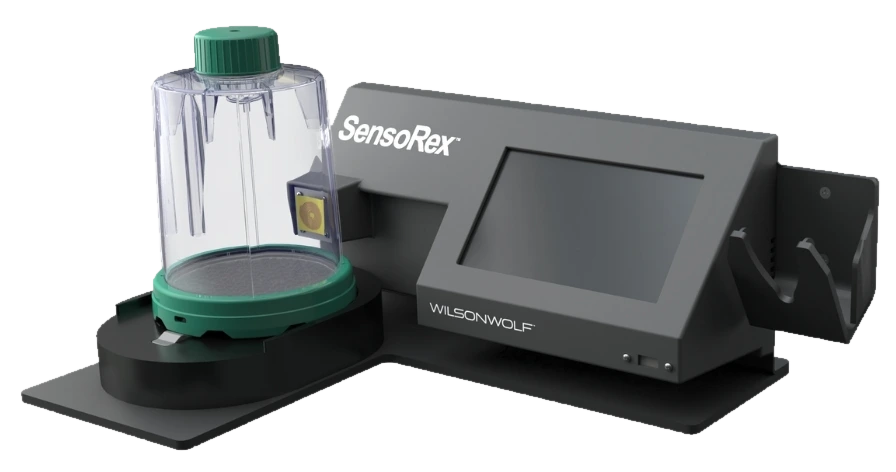
A SensoRex™ reader with a SMART G-Rex® bioreactor on its stage

Next Steps

Make the SMART Decision

Whether you’re developing a new cell or gene-modified cell therapy, optimizing an existing manufacturing process, or preparing for commercial production, SMART G-Rex® and SensoRex™ can help you take the next step toward more intelligent manufacturing. Connect with the ScaleReady team to explore how integrated process analytical technology can support your development and manufacturing objectives.

Frequently Asked Questions About SMART G-Rex® PAT

Is SMART G-Rex® a Process Analytical Technology?

SMART G-Rex® + SensoRex™ are designed to function within the FDA's Process Analytical Technology framework. FDA defines PAT broadly around timely measurements during processing that support process understanding and control. SMART provides an integrated sensor inside G-Rex® and a contactless external reader that generates process data during manufacturing, making it a practical expression of that PAT philosophy.

How can SMART G-Rex® support Quality by Design?

Quality by Design depends on understanding how process conditions and variability relate to the quality of the resulting product. SMART adds a new longitudinal process measurement that can be characterized alongside existing assays and process parameters. The more those relationships are understood, the more deliberately manufacturers can design, monitor, and eventually control the process.

How can contactless measurement reduce manufacturing risk?

Traditional process monitoring frequently requires physical intervention: moving material, withdrawing a sample, handling it, labeling it, testing it, and documenting the result. Every additional manipulation creates opportunities for human error, contamination, sample loss, or transcription error. SMART obtains the process measurement without withdrawing drug substance, reducing the number of interventions required simply to gain process information.

Can SMART G-Rex® support real-time release?

Potentially as one part of a broader, validated strategy. FDA defines real-time release around a combination of process data, material attributes, process controls, and other test data. SMART cannot independently establish every quality attribute required for CGT release. It can, however, provide orthogonal in-process information that may ultimately be combined with other rapid and automated assays to move manufacturing closer to real-time release.

Does SMART replace final release testing?

No. Not today. SMART should initially be used orthogonally with established assays so the relationship between its signal and the process can be characterized. Over time, validated process knowledge may support changes in when, where, or how frequently some measurements are made, but those decisions belong within the manufacturer's quality and regulatory strategy.

How does SMART G-Rex® support LEAN manufacturing?

SMART removes work from the measurement process. It can reduce manual sampling, sample handling, operator time, use of constrained biosafety-cabinet capacity, and opportunities for error. It can also make abnormal process behavior visible earlier and provide data that can be reviewed across runs to identify sources of waste or variability. The 2026 SMART G-Rex® publication specifically discusses these opportunities through the lens of LEAN manufacturing.

What role could SMART play in intelligent manufacturing?

The first role is process understanding. A validated longitudinal process signal can eventually support prediction, decision-making, and process control. Published SMART work has already demonstrated process-specific harvest indicators and early proof-of-concept prediction. More advanced automation and control remain future opportunities that will depend on process-specific characterization and validation.

Technical References

  1. U.S. Food and Drug Administration. PAT — A Framework for Innovative Pharmaceutical Development, Manufacturing, and Quality Assurance. September 2004. FDA Guidance.
  2. Chan YJ, et al. Single-Use, Metabolite Absorbing, Resonant Transducer (SMART) Culture Vessels for Label-Free, Continuous Cell Culture Progression Monitoring. Advanced Science. 2024. doi:10.1002/advs.202401260.
  3. Roy S, et al. SMART Sensors for Cell Growth Monitoring in Closed System G-Rex® for Scalable, Cost-Conscious Cell and Gene Therapy Manufacturing. Cytotherapy. 2026. doi:10.1016/j.jcyt.2025.102034.
  4. Roy S, et al. Supplemental Data: SMART Sensors for Cell Growth Monitoring in Closed System G-Rex®. 2026.
  5. U.S. Food and Drug Administration. Advanced Manufacturing Technologies Designation Program. December 2024. FDA Guidance.
  6. International Council for Harmonisation (ICH). Q8(R2) Pharmaceutical Development. August 2009. ICH Quality Guidelines.
  7. International Council for Harmonisation (ICH). Q9(R1) Quality Risk Management. January 2023. ICH Quality Guidelines.
  8. International Council for Harmonisation (ICH). Q10 Pharmaceutical Quality System. June 2008. ICH Quality Guidelines.
  9. Roy S, Chan YJ, Reuel NF, Neihart NM. Low-Cost Portable Readout System Design for Inductively Coupled Resonant Sensors. IEEE Transactions on Instrumentation and Measurement. 2022;71:1–13. doi:10.1109/TIM.2022.3173277.


