G-Rex® for Gamma Delta T-Cell Therapy
The Value of Simplicity
Gamma delta T cells represent only a small percentage of circulating lymphocytes, creating a manufacturing challenge from the very beginning. Small-scale G-Rex® formats support development and manufacturing from limited starting quantities,
while larger G-Rex® bioreactors extend the same fundamental technology toward the large, multi-dose batches characteristic of allogeneic production.
G-Rex® can convert a rare starting population into clinically relevant numbers without requiring complex process interventions.
The same G-Rex® technology that accommodates a limited γδ starting population extends to 500 cm² and 5,000 mL formats, carrying a single donor toward the large, multi-dose batches allogeneic production requires.
Every G-Rex® bioreactor across that range is sterile and GMP-grade, so the technology used for early development is the same technology that carries a γδ process into clinical manufacturing.
The Gold Standard
Academic and industry developers and manufacturers alike use G-Rex® across a growing range of gamma delta T-cell therapies. Published workflows have included Vδ2, Vδ1, and polyclonal γδ T-cell populations; peripheral- and cord-blood-derived starting materials; and unmodified and genetically engineered drug products, including CAR-γδ T cells.
G-Rex® has supported work from institutions including the National University of Singapore, Bambino Gesù Children’s Hospital, the University of Minnesota, Nationwide Children’s Hospital, and other leading translational research centers. Industry developers including Luminary Therapeutics, Expression Therapeutics, and PointLoma BioSciences have also used G-Rex® to advance gamma delta T-cell programs.
Together, this body of work demonstrates that G-Rex® can support the breadth and continued evolution of gamma delta T-cell therapy development.
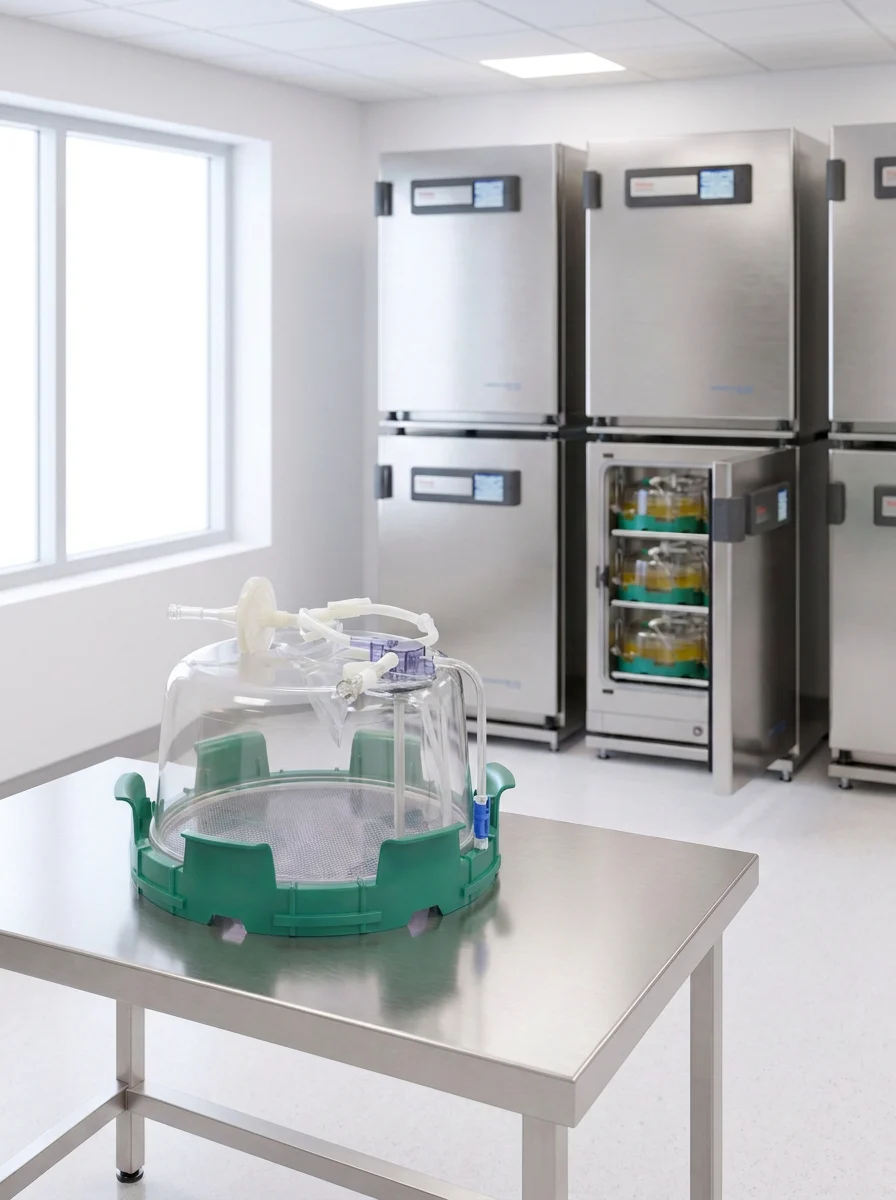


A Typical Process
Gamma delta T-cell manufacturing processes vary according to the starting material, target population, activation method, and therapeutic design. However, a typical allogeneic process moves from donor-derived starting material through isolation or enrichment, activation, optional genetic engineering, expansion, harvest, formulation, and cryopreservation.
G-Rex® is most commonly incorporated during activation and expansion, providing a practical path from limited starting quantities to large, multi-dose batches.
Recommended Products
ScaleReady brings together G-Rex® manufacturing technology with Bio-Techne media, cytokines, and gene-engineering tools to support NK cell process development from research through clinical manufacturing.
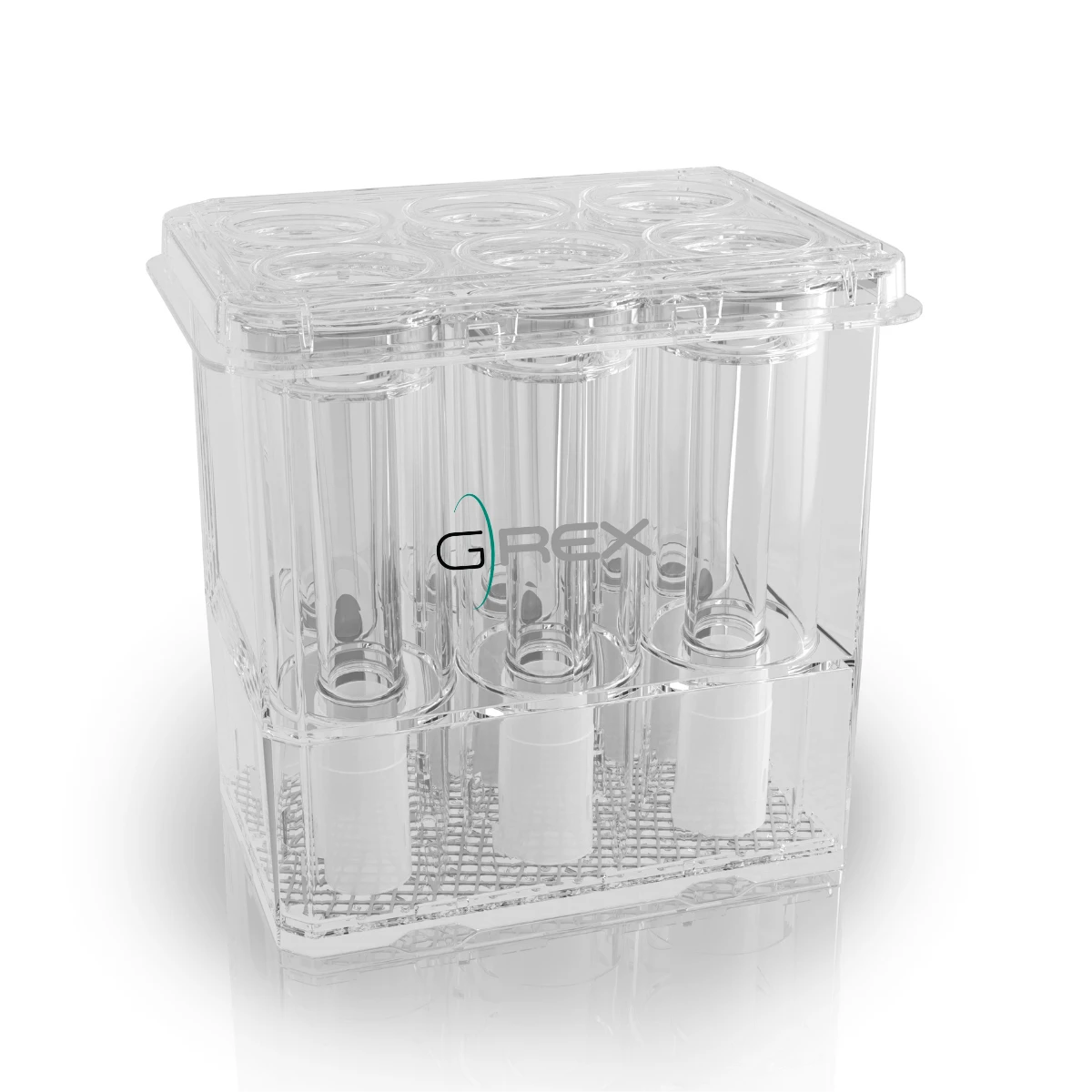
G-Rex® well plates are available in 6M, 6-Well, and 24-Well formats and enable rapid, low-intervention expansion of gamma delta T cells by delivering continuous gas exchange through a gas-permeable membrane. Published research demonstrates their use for both Vγ9Vδ2 and Vδ1 γδ T cell expansion, supporting clinically relevant yields with minimal media manipulation.
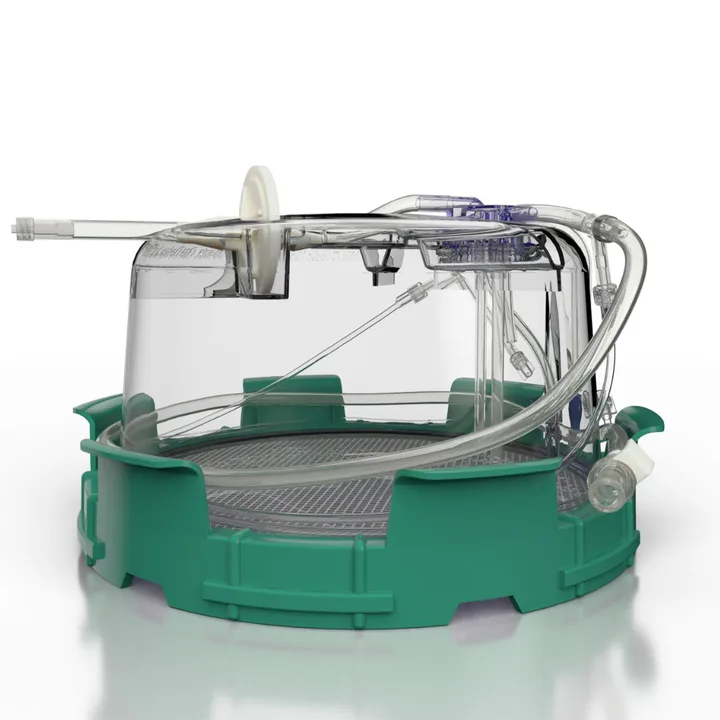
G-Rex® bioreactors spanning the G-Rex® 10 to G-Rex® 500 enable scalable, low-intervention expansion of gamma delta T cells through continuous gas exchange via a gas-permeable membrane. Supporting both Vγ9Vδ2 and Vδ1 γδ T cell manufacturing, they deliver clinically relevant yields with predictable, linear scale-up.
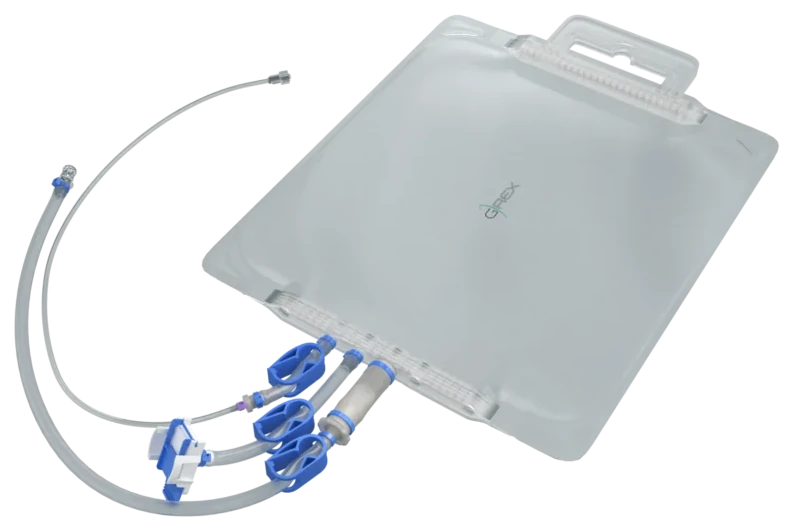
Single-use, gamma-irradiated bags in 250 mL, 1 L, and 5 L formats with ports and tubing designed to connect directly to closed-system G-Rex® devices, keeping media addition, cell transfer, and harvest inside a closed fluid path. Because that compatibility is engineered in, there are no third-party bag assemblies to source, adapt, or qualify.
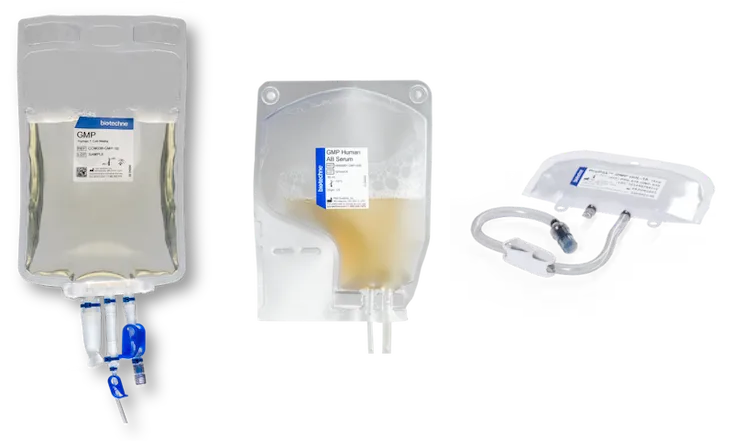
A complete GMP reagent ecosystem. Serum-free, xeno-free ExCellerate™ media paired with animal-free GMP IL-2, IL-7, IL-15, and IL-21 give a process consistent bioactivity, closed-system-ready formats, and a direct path from RUO to GMP without a reagent change.

Next Steps
Whether you are building a new gamma delta T-cell process, transitioning an existing process to G-Rex®, or optimizing a mature manufacturing workflow, our team can help identify the most practical path forward.
Frequently Asked Questions
G-Rex® is commonly used during activation and expansion. Published workflows have used G-Rex® to manufacture unmodified and genetically engineered gamma delta T-cell drug products from multiple starting materials and γδ T-cell populations.
Yes. Gamma delta T cells represent only a small percentage of circulating lymphocytes. Small-scale formats such as G-Rex®5M and G-Rex®10M can support development and manufacturing from limited starting cell quantities.
Yes. The G-Rex® product family spans small-, mid-, and large-scale formats. This allows developers to begin with limited gamma delta T-cell populations and progress toward the large, multi-dose batches characteristic of allogeneic manufacturing.
Published G-Rex® workflows have included Vδ2, Vδ1, and polyclonal γδ T-cell populations.
Published workflows have generated G-Rex®-expanded gamma delta T cells from peripheral-blood- and cord-blood-derived starting materials.
Yes. Published and patented workflows have incorporated G-Rex® into the manufacture of genetically engineered gamma delta T-cell products, including CAR-γδ T cells. Engineering approaches have included viral transduction using retroviral, lentiviral, and AAV vectors; nonviral transposition with TcBuster; and CRISPR-mediated gene editing.
Sterile, GMP-grade G-Rex® bioreactors are available in sizes ranging from 5 cm² with a 50 mL working volume to 500 cm² with a 5,000 mL working volume. This range allows developers to select formats appropriate for limited starting populations, intermediate process scales, and large allogeneic production batches.
Have a different question? Connect with a G-Rex® Optimization Specialist.
Evidence & References
Explore the published evidence supporting the use of G-Rex across gamma delta T-cell research, development, and clinical manufacturing.