Get SMART with G-Rex & Integrated Process Analytic Technology

Single Use Metabolite Absorbing Resonant Tranducers (SMART)

In collaboration with Skroot Laboratories, SMART Sensors have been integrated into the G-Rex platform to provide developers and manufacturers of cell and gene-modified cell therapies (CGT) a non-invasive method of real-time, continuous monitoring of cell growth.
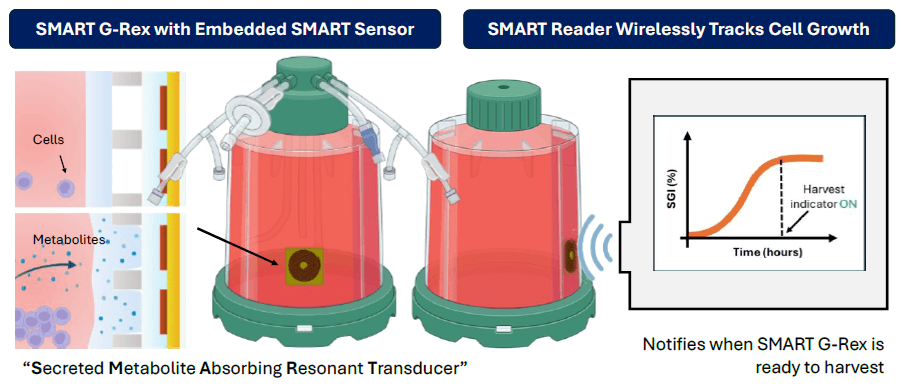
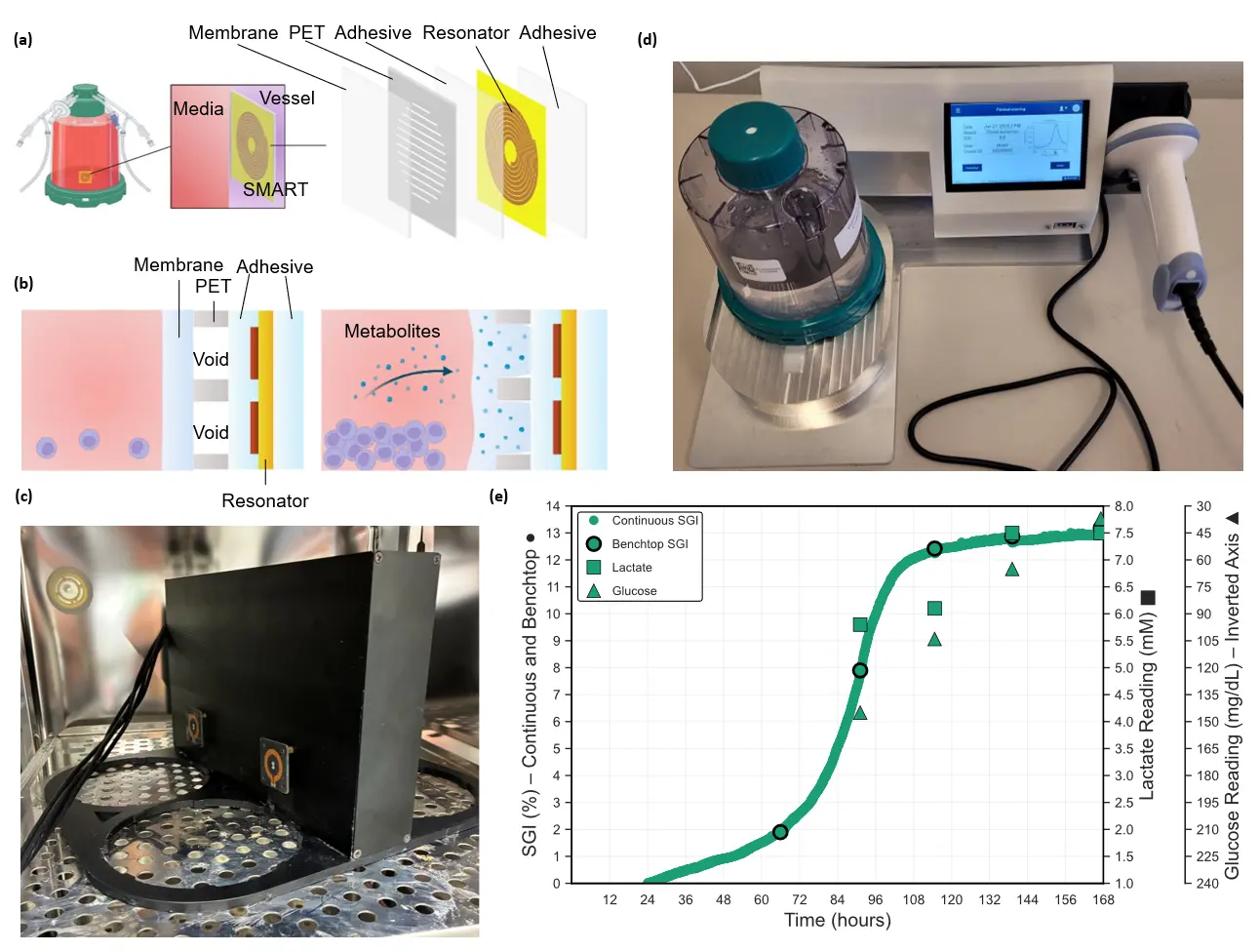
Diagram of SMART G-Rex with embedded SMART sensor and wireless reader tracking cell growth to indicate harvest readiness

This integrated process analytic technology (PAT) can instantly report the extent of cell growth (or “report the phase of cell growth”) in a CGT drug production process and can inform manufacturers when a CGT drug product has reached the desired quantity of cells necessary to proceed with formulation, fill, and finish.

By integrating SMART technology, G-Rex is the only platform for CGT manufacturing that can avoid intervention when determining cell quantity or allow real-time monitoring of cell growth throughout the production run.

G-Rex100M Sensor Enabled, Research Use Only

(P/N RUG281100-SE)

G-Rex100M-CS Sensor Enabled, Research Use Only

(P/N RUG281100-CS-SE)

G-Rex100M-CS Sensor Enabled, Sterile Fluid Path

(P/N G281100-CS-SE)

*ETA Q4 2026*

How do SMART sensors work?

Resonant sensors are passive inductor-capacitor (LC) circuits whose measured resonant frequency shifts when the electrical permittivity of their immediate environment changes. Their utility for wireless monitoring in sealed or otherwise non-vented systems (where direct access to the interior is not practical or permitted) has been documented across several application areas [1,2]. In the specific context of cell culture monitoring, they enable noncontact interrogation of cultures without sampling. Recently, an advancement on the conventional resonant sensor called the SMART (single-use, metabolite absorbing resonant transducer) sensor was introduced [3]. The SMART design incorporates a polymer layer that softens in response to secreted metabolites, amplifying the local permittivity contrast above the conventional resonator and providing >20-fold higher sensitivity to growth dynamics than direct resonant sensing. Physically, the SMART sensor comprises five layers (from fluid-facing side to vessel-facing side): a transduction membrane responsive to secondary metabolites, a polyethylene terephthalate (PET) sheet with engineered voids, a bonding interlayer, a patterned LC resonator (copper coil on polyimide), and a mounting adhesive for vessel attachment (Fig. #a)[4].

As cells grow, secreted secondary metabolites (organic signaling molecules) selectively absorb into the SMART sensor membrane, softening the membrane material such that it partially collapses into engineered voids in the sensor structure (Fig #b). Prior screening work has shown that simple terpenoids, such as prenol, produce strong responses. For T cells, there is evidence of secreted lipid mediators, including eicosanoid derivatives (e.g., prostanoids and leukotrienes), as signaling molecules [5]. We have verified that arachidonic acid (AA), an omega-6 PUFA that is a precursor to eicosanoids, causes a robust sensor response (see SMART G-Rex publication [6]). This is representative of a broad class of secreted organic compounds that these cells produce during active growth that act as a plasticizer on the sensor membrane.

[1] Huang QA, Dong L, Wang LF. LC Passive Wireless Sensors Toward a Wireless Sensing Platform: Status, Prospects, and Challenges. Journal of Microelectromechanical Systems 2016;25:822–41. https://doi.org/10.1109/JMEMS.2016.2602298.

[2] Carr AR, Chan YJ, Reuel NF. Contact-Free, Passive, Electromagnetic Resonant Sensors for Enclosed Biomedical Applications: A Perspective on Opportunities and Challenges. ACS Sens 2023;8:943–55. https://doi.org/10.1021/acssensors.2c02552.

[3] Chan YJ, Dileep D, Rothstein SM, Cochran EW, Reuel NF. Single-Use, Metabolite Absorbing, Resonant Transducer (SMART) Culture Vessels for Label-Free, Continuous Cell Culture Progression Monitoring. Advanced Science 2024;11:2401260. https://doi.org/10.1002/advs.202401260.

[4] Reuel NF, Chan YJ. Signal enhancement of resonant sensor for cell measurements. WO2024058838A1, 2024.

[5] Nicolaou A, Mauro C, Urquhart P, Marelli-Berg F. Polyunsaturated Fatty Acid-Derived Lipid Mediators and T Cell Function. Front Immunol 2014;5:75. https://doi.org/10.3389/fimmu.2014.00075.

[6] https://doi.org/10.1101/2025.09.17.676768
Figure showing SMART sensor structure, sensing mechanism, reader setup, and sensor response during cell growth monitoring in G-Rex
SMART sensor structure and response. (a) The SMART sensor sticker is adhered to the inside of the G-Rex vessel to be in contact with the growth medium and is comprised of five layers (from fluid side: responsive membrane, PET sheet with engineered voids, adhesive tie layer, resonator, and adhesive layer for bonding to vessel interior. (b) Sensor transduction mechanism: as the cells secrete secondary metabolites (terpenoids) the membrane softens, fills the voids and the local permittivity to the resonant coil changes, causing a change in resonant frequency. (c) Custom reader to interrogate the sensors continuously within an incubator. (d) Custom reader to interrogate the sensors intermittently in a bench-top reader mode. In both cases, the G-Rex is kept closed and the cell layer is undisturbed. (e) Response of sensor reported as the change in resonant frequency from the start point (Skroot Growth Index, SGI) in both continuous and benchtop mode compared to traditional

What does the FDA say about PAT?

Guidance for Industry

PAT — A Framework for Innovative Pharmaceutical Development, Manufacturing, and Quality Assurance

U.S. Department of Health and Human Services Food and Drug Administration
Center for Drug Evaluation and Research (CDER)
Center for Veterinary Medicine (CVM)
Office of Regulatory Affairs (ORA)

Pharmaceutical CGMPs
September 2004

In accordance with previously issued Guidance for Industry from the Food & Drug Administration (FDA), this new integrated process analytic technology (PAT) will help CGT developers and manufacturers:

  • Design and develop well understood processes capable with higher degrees of predictability 
  • Consistently ensure the production of a CGT drug product of predefined quality (i.e. Quality by Design)
  • Mitigate risk and variability associated with manual sampling
  • Increase throughput and drug product supply by reducing production cycle times

Work SMARTer, not harder!

Knowing the level of cell growth in your G-Rex can be useful in the following ways:

  • Real-time confirmation when a patient’s dose requirements have been met triggering an action
  • Early detection of “no growth” conditions triggering an action to inform the patient’s physician.
  • Early detection of “aberrant growth” conditions triggering an action to inform the patient’s physician.
  • Monitor cell growth extent without intervention (contact free, no sampling)
  • Notify end of growth (optimal harvest point)
  • Detect aberrant growth early (no growth or contamination events)
  • Determine cell expansion level at end of growth (eliminate post cell count)
  • Monitor remotely via online dashboard (with continuous reader)
The remote monitoring, AWS-powered dashboard is simple to use and can be customized or further integrated into standard ERP systems or eQMS software. Data from current and past production runs can be used to acquire critical insights previously unavailable.

Moreover, the ability to qualify a multi-drug product ballroom style of production is more of an operational problem than a regulatory one.  The SMART G-Rex platform may also serve a crucial function in driving LEAN operations by providing manufacturer’s a simple way to “warehouse” many drug products within the same incubator while maintaining segregration, control, and traceability.
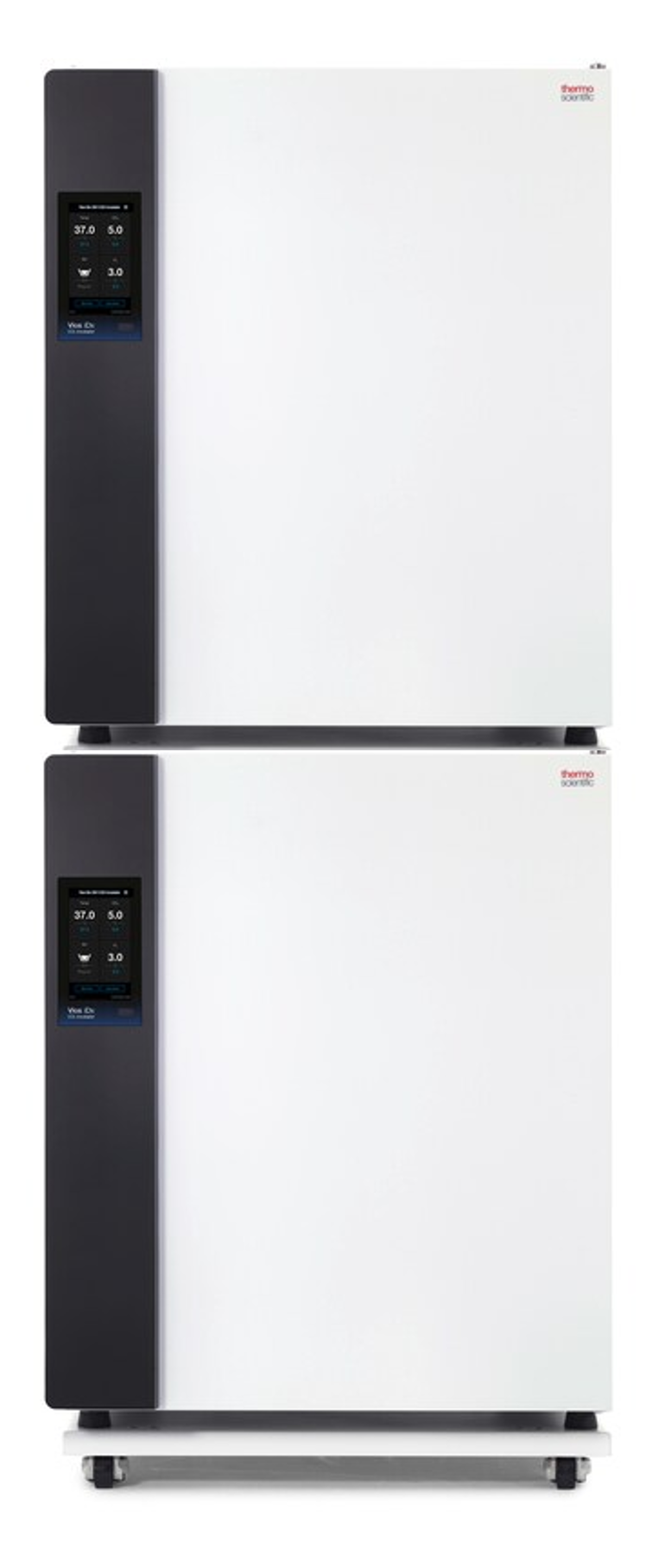
The incubator's that are recommended for G-Rex production are Thermo Fisher's Vios iDx 255L C02 incubators.
The incubator’s that are recommended for G-Rex production are Thermo Fisher’s Vios iDx 255L C02 incubators.
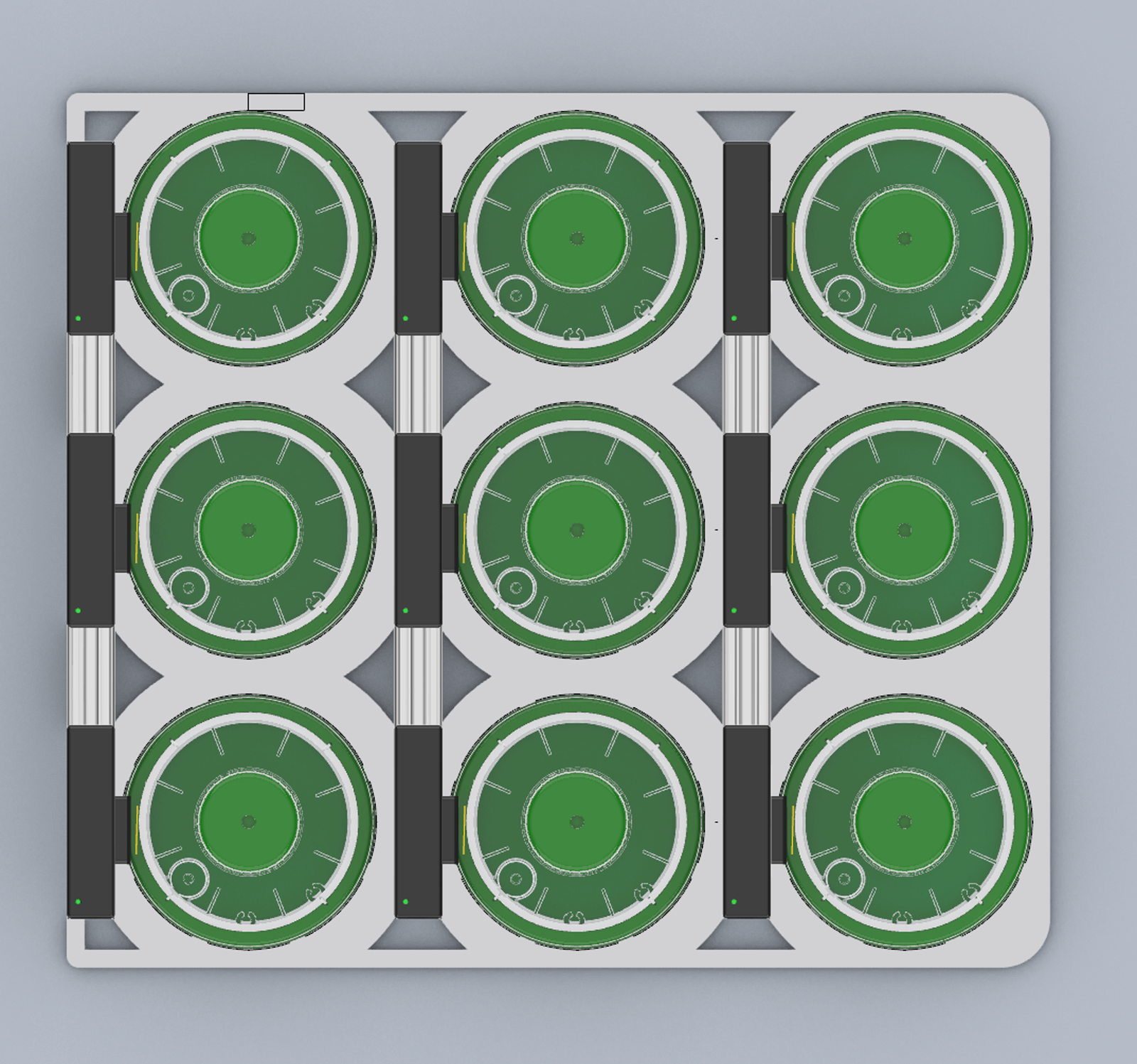
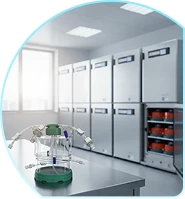
A bird's eye view of SMART G-Rex devices configured in a 3x3 array of continuous readers.
A bird’s eye view of SMART G-Rex devices configured in a 3×3 array of continuous readers.
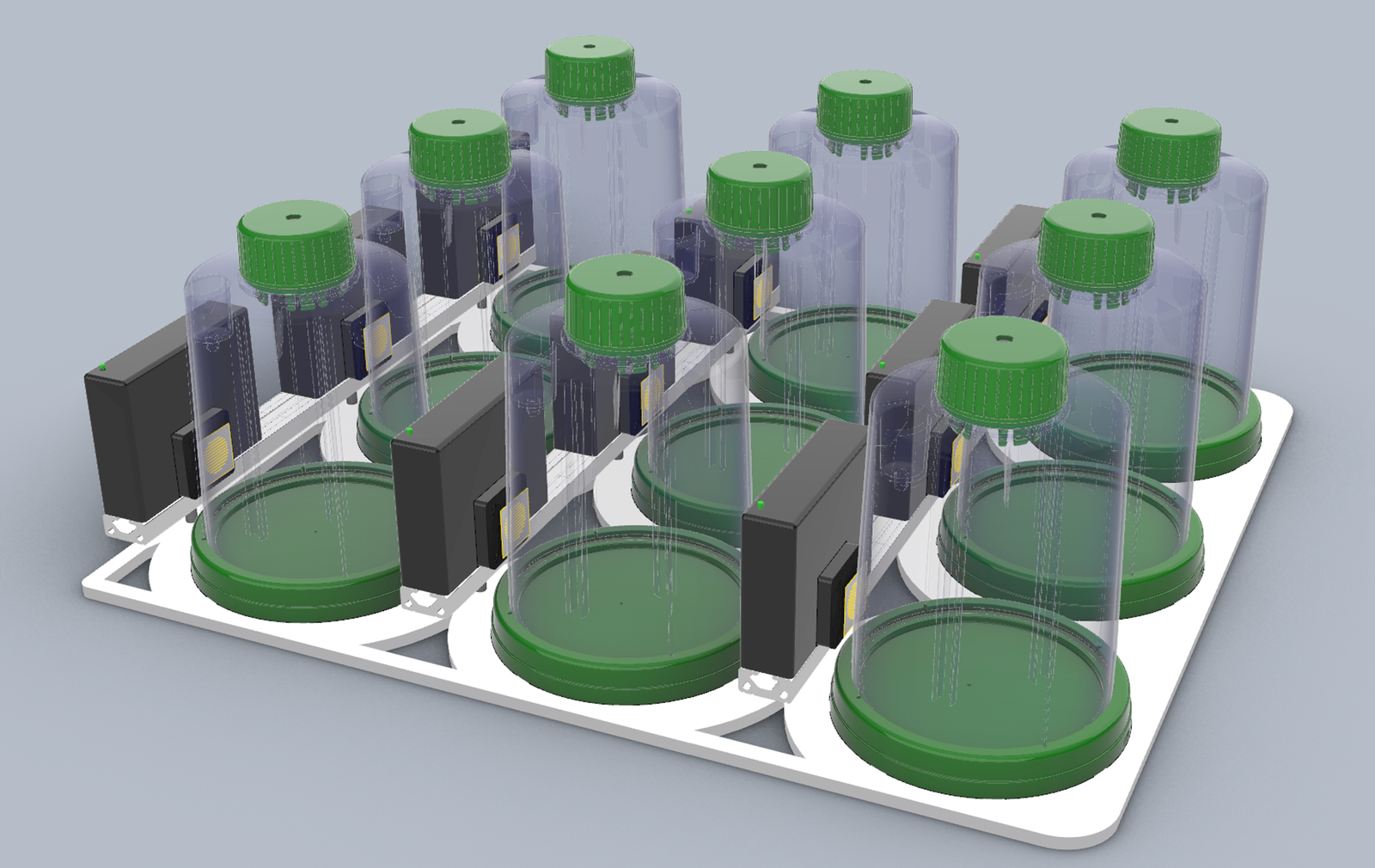
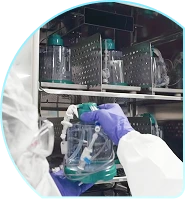
A lateral view of SMART G-Rex devices configured in a 3x3 array of continuous readers.
A lateral view of SMART G-Rex devices configured in a 3×3 array of continuous readers.

A single incubator stack, like the ones seen above, will be able to comfortably accommodate 54 G-Rex100M-CS nestled next to a SMART continuous reader.  This kind of density is unparalleled in cell & gene therapy manufacturing and will be a core driver of logarithmic reductions in drug product cost by amortizing less overhead over more drug products.
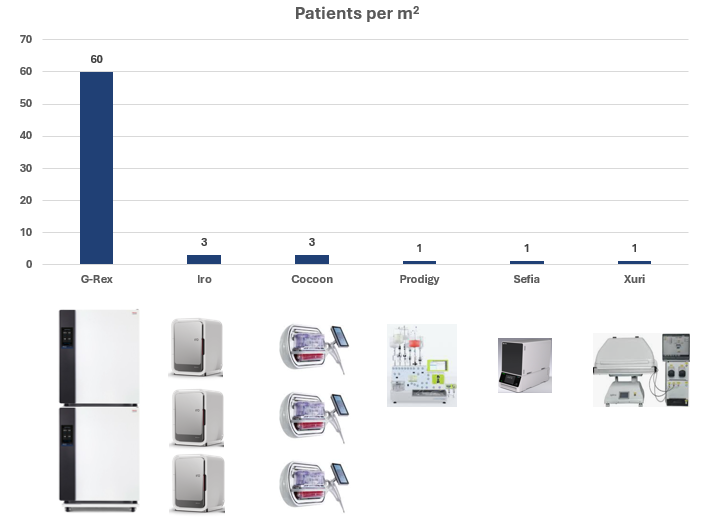
Bar chart comparing patients per square meter across G-Rex, Iro, Cocoon, Prodigy, Sefia, and Xuri, showing G-Rex with the highest throughput

In summary, the simple nature of G-Rex has allowed it to become a sophisticated tool that is future-proofed because new innovations, such as SMART sensors, are easily incorporated into novel G-Rex designs without requiring us to fundamentally alter the G-Rex bioreactor design.

G-Rex vs. CliniMACS Prodigy

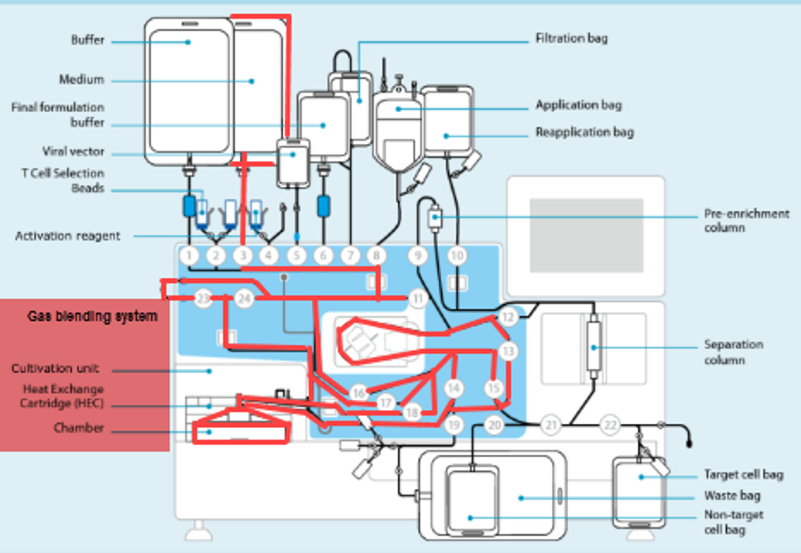
Miltenyi Biotech’s CliniMACS Prodigy is the gold standard “all-in-one” or “black-box”* bioreactor where a single-machine completes the full CAR-T cell therapy assembly process.  Apheresis in, final drug product out.

Miltenyi Biotech’s CliniMACS Prodigy is the gold standard “all-in-one” or “black-box”* bioreactor where a single-machine completes the full CAR-T cell therapy assembly process.  Apheresis in, final drug product out.

The CliniMACS Prodigy is functionally closed, mostly automated, and provides repeatable and reliable drug product manufacturing. It is used to make a variety of cell and gene therapy drug products (CAR-T, HSC, etc.) in a variety of manufacturing models (centralized, distributed, point-of-care, etc.). Standardized protocols are offered with the ability for “custom application” development and Miltenyi offers best-in-class reagents that are tailormade for use in their machine.

The CliniMACS Prodigy really is a marvel of modern engineering and few innovators have done more to advance the field of Cell & Gene Therapy than Miltenyi Biotech and their MACS technology. 

"The most dangerous form of waste is that which we do not recognize"
- Shigeo Shingo

Nonetheless, there are two (2) core engineering limitations that the CliniMACS Prodigy cannot overcome without being fundamentally redesigned into a new machine:

  1. An inability to disconnect the drug substance from the Isolation and Formulation Units
  2. The requirement to force-feed media (nutrients) and oxygen to the cells

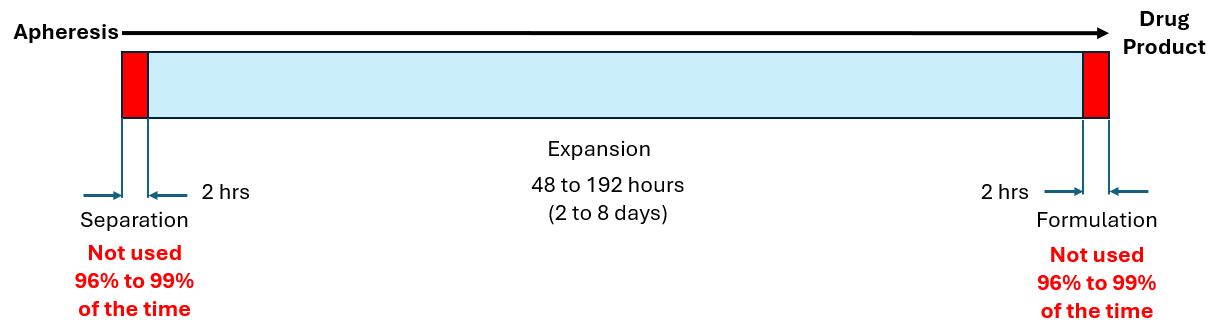
As seen in the annotated patent drawing, the selection instrument (a critical asset) remains idle once the drug substance undergoes T cell isolation.  Similarly, the formulation unit (also a critical asset) remains idle as well while it awaiting final assembly of the drug product.  This is because the Prodigy’s dedicated single use consumable maintains a continuous fluidic connection to the drug substance, relegating the machine to in-series batch production (i.e. only one drug product at a time).


In this scenario, critical assets used in the Selection and Formulation unit operations remain idle for anywhere between 96-99% of the full assembly process.  The waste of waiting (or idleness) has long been identified as one of the core wastes in LEAN manufacturing and the “all-in-one” assembly process is a prime example of this.

"There is nothing so useless as doing efficiently that which should not be done at all"
- Peter Drucker

Thus, it matters not how efficiently a single machine can perform the all-in-one drug product assembly when it should not be done at all.  

Why should “all-in-one” assembly not be done at all? Because the waste associated with the idle equipment restricts this approach to extremely low-throughput and high capital equipment and space costs.  The bottleneck is the full manufacturing process itself.

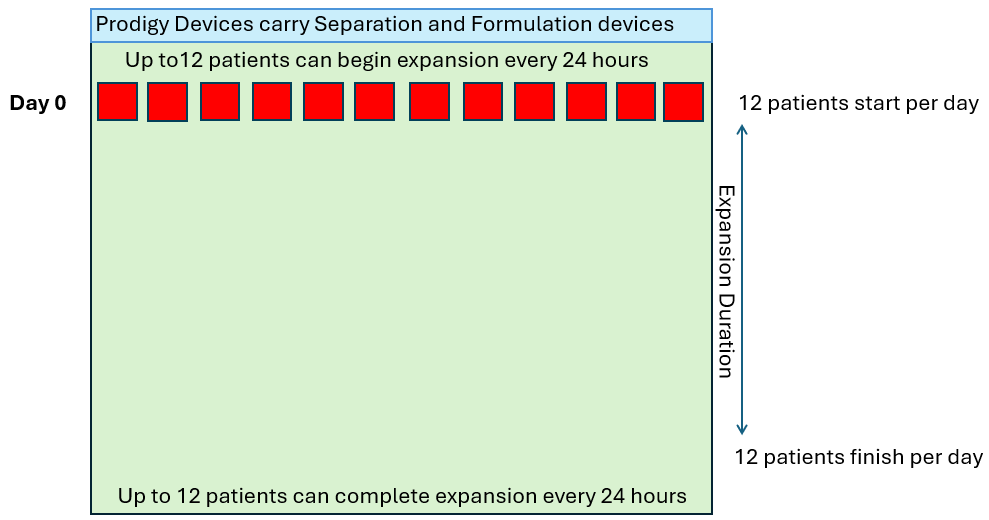
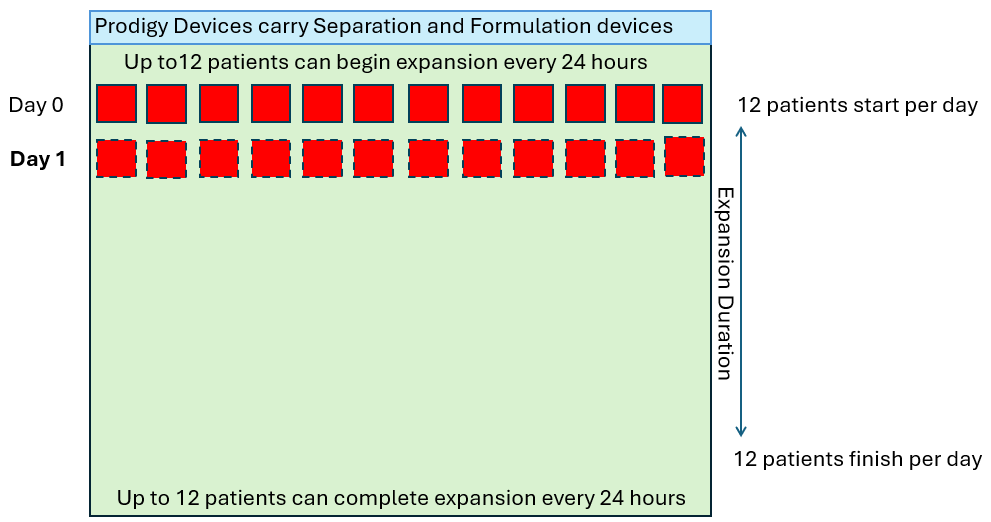
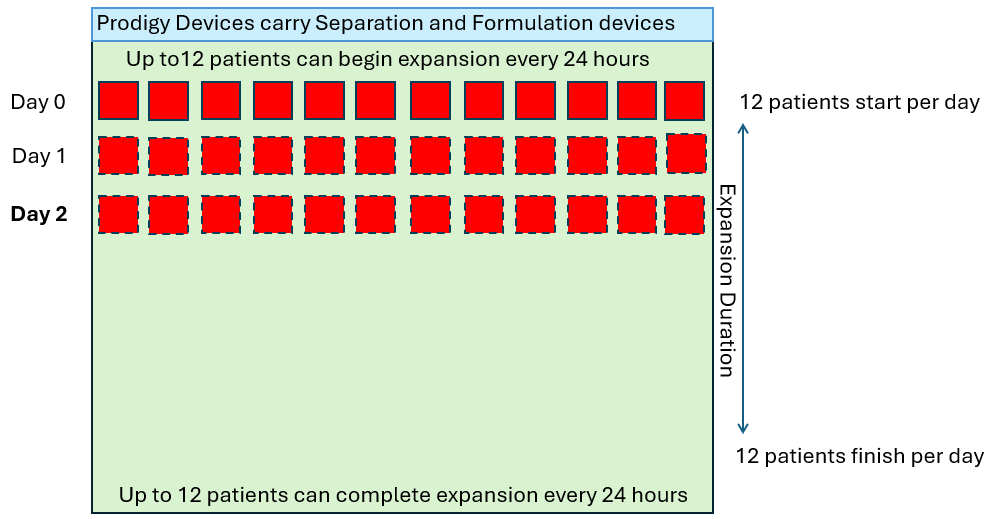
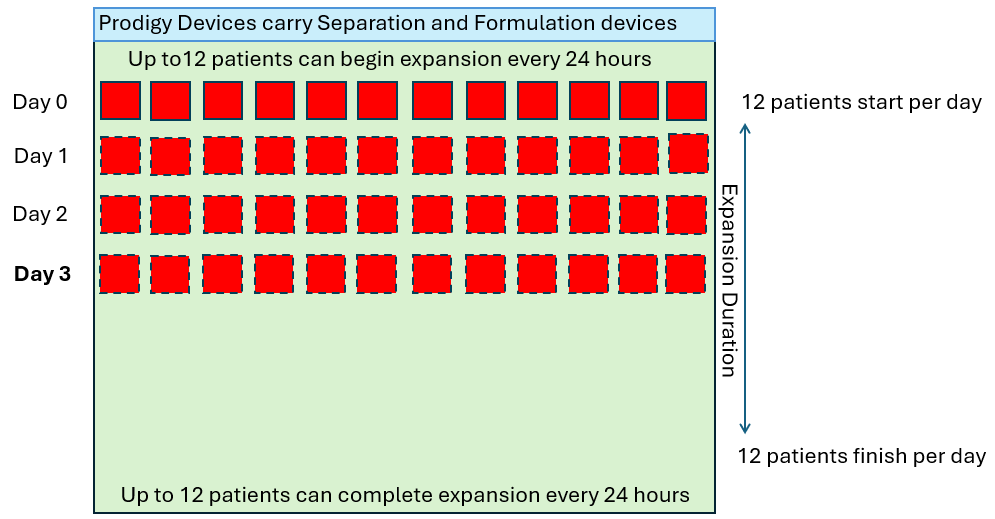
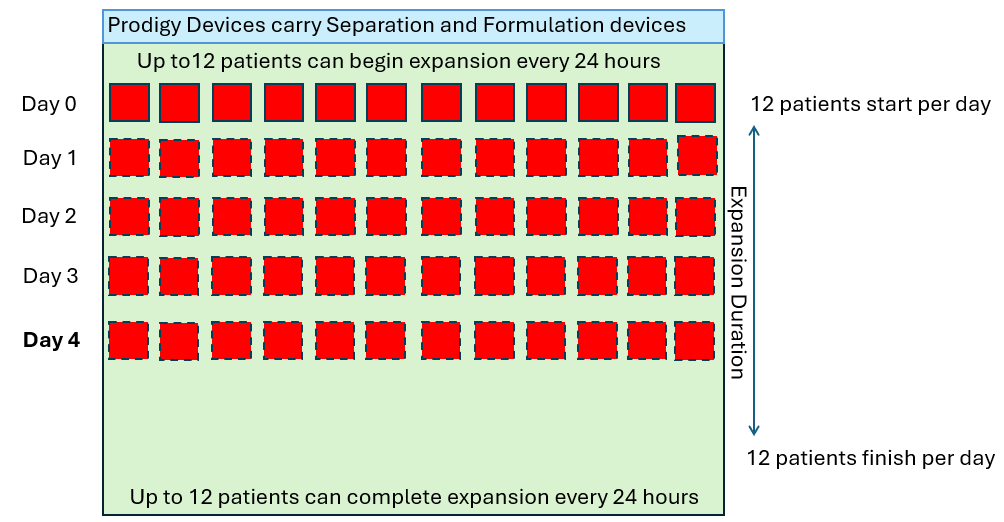
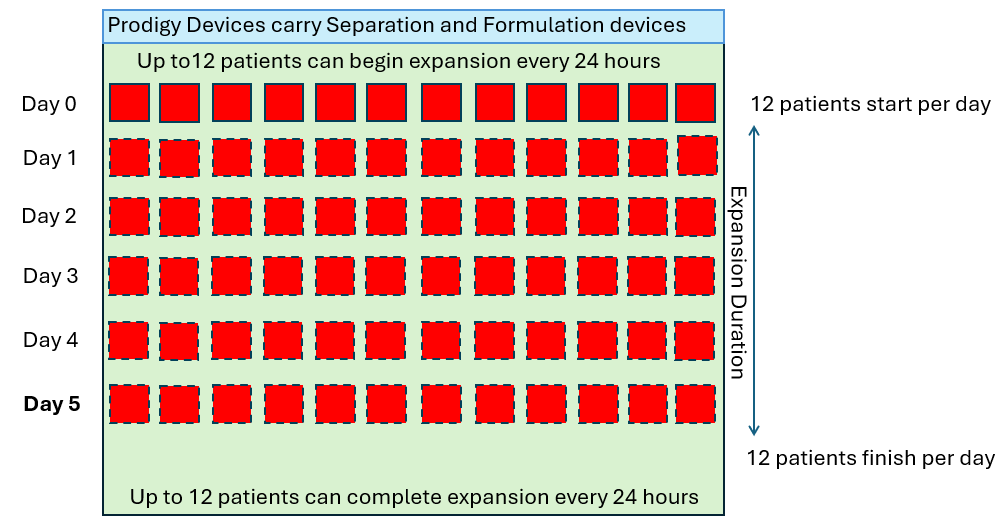
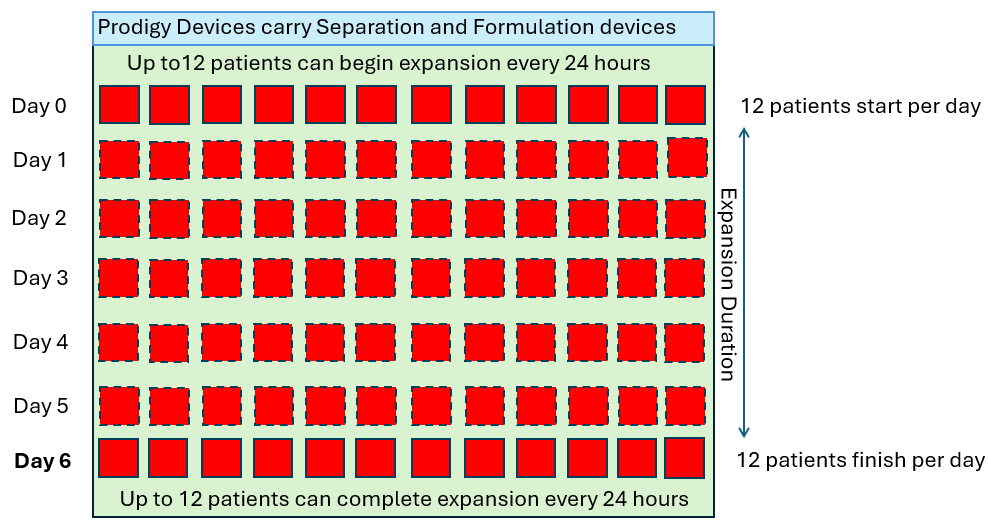
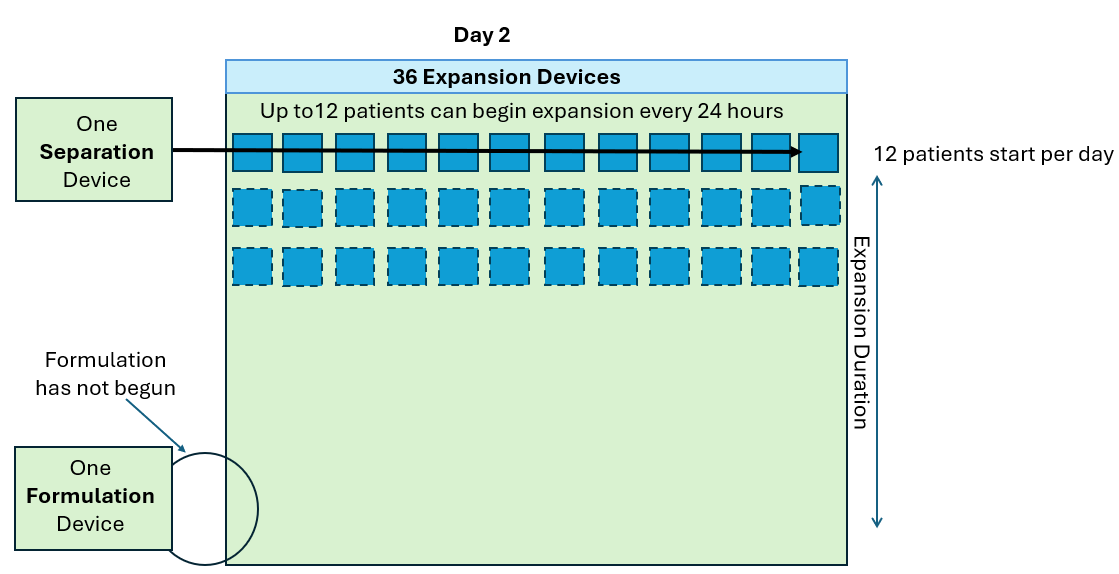
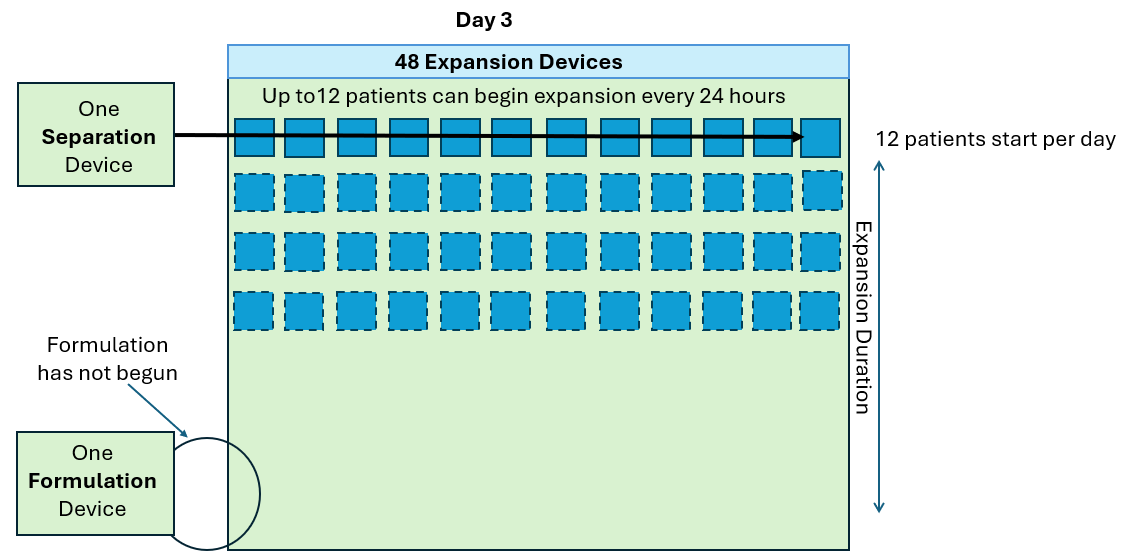
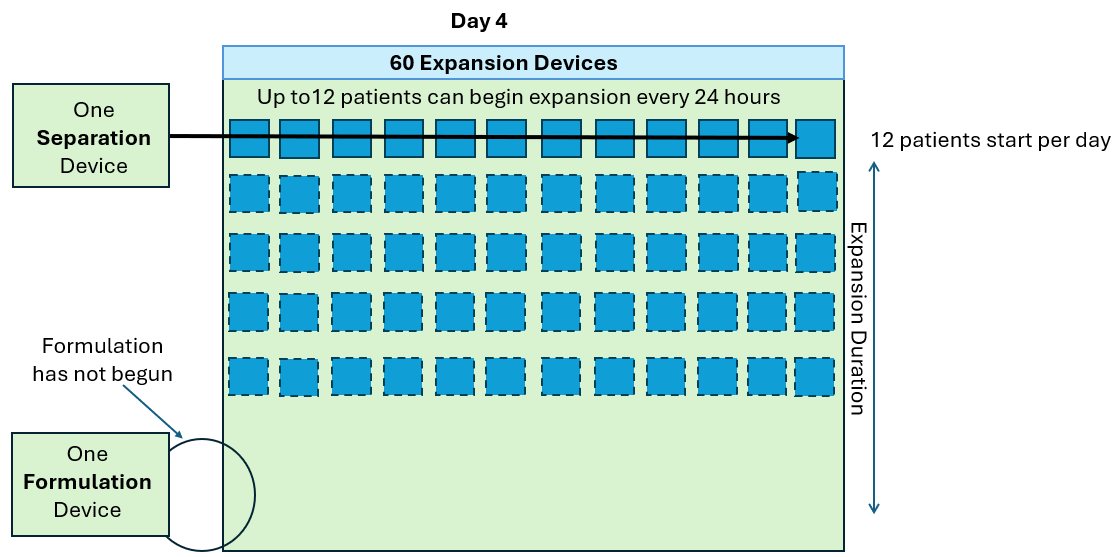
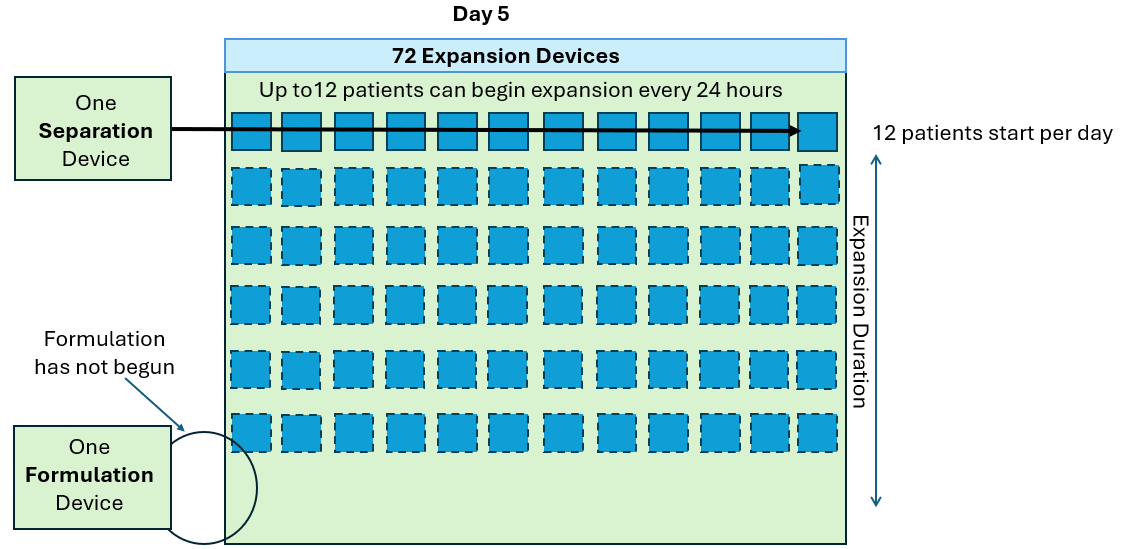
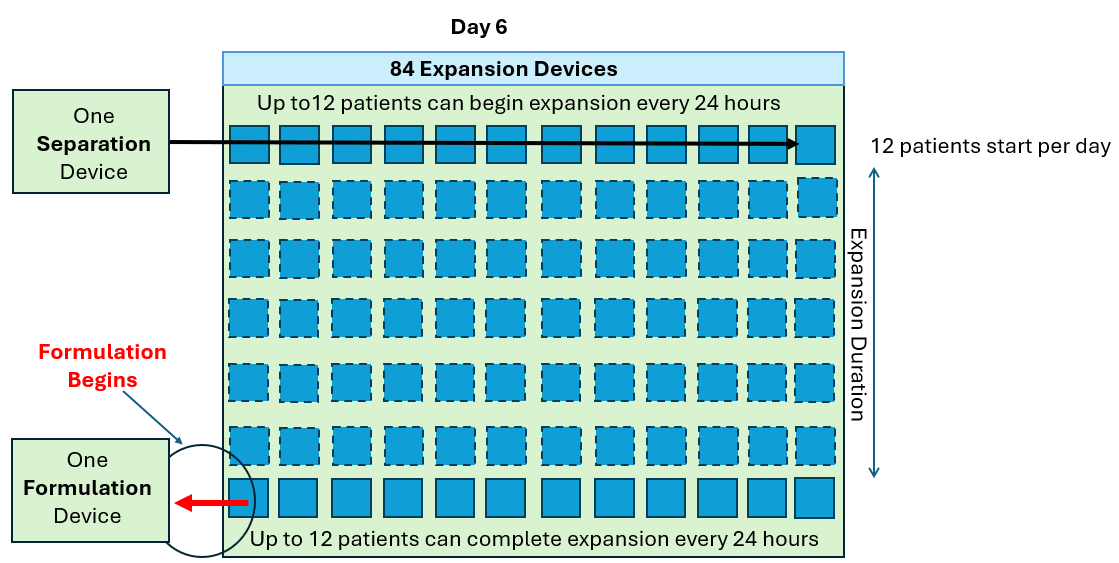
In order to produce 12 drug products per day of the week (4,368 patients per year), let’s look at how many CliniMACS Prodigies would be required in a standard 7-day manufacturing process.

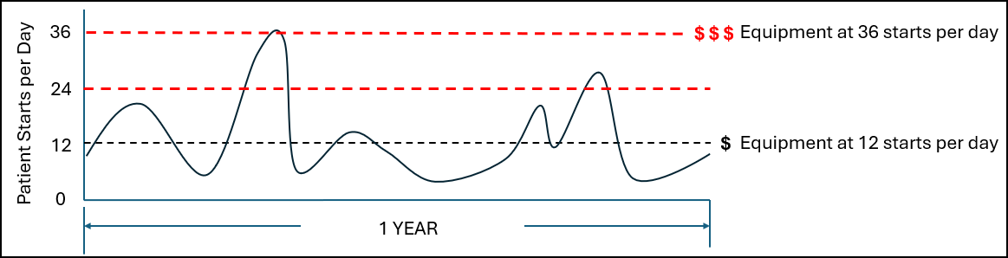
As we see above, the quantity of CliniMACS Prodigy instruments required is proportional to the throughput requirement and the duration of the process.  However, in these examples, it is assumed that the demand is linear (twelve per day every day) but in reality this is not how patients are referred.  The demand will fluctuate up and down in some sort of wave pattern as shown below.

Much like a restaurant builds capacity for the Friday night surge demand, so to must developers of autologous cell therapies build capacity for surge demand of patients.  Thus, 2-3x additional CliniMACS Prodigy instruments would be required to ensure sufficient spare capacity so advanced therapies are delivered just-in-time to all patients.

(# of starts per day) x (process duration) x (spare capacity coefficient) x (est. cost of CliniMACS Prodigy) = Total Cost
12 x 7 x 3 x $375,000 = $31,550,000 (plus recurring ~10% annual service fee per year)

How does this compare to a modular G-Rex approach? 

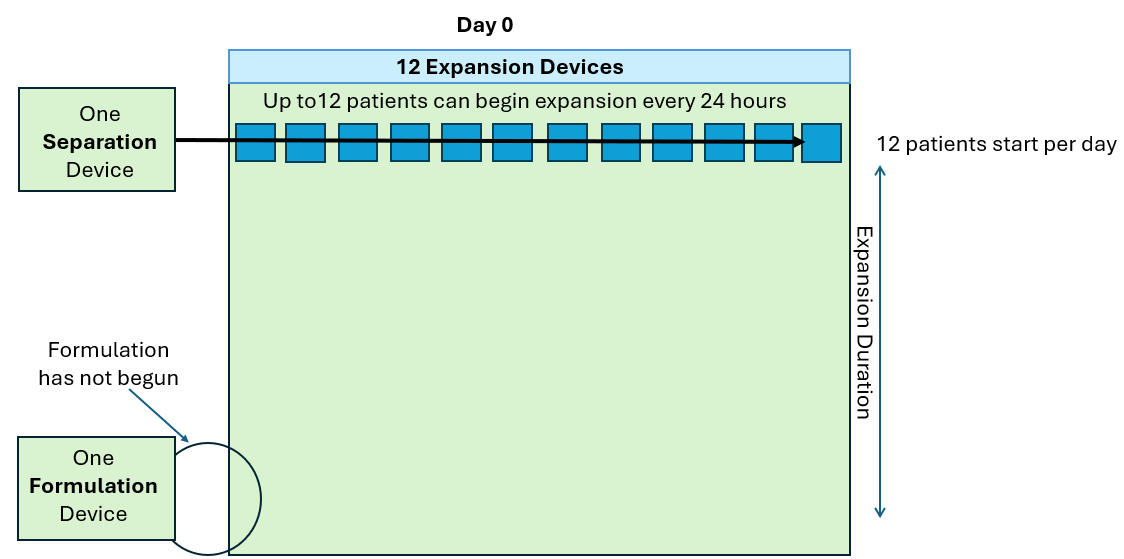
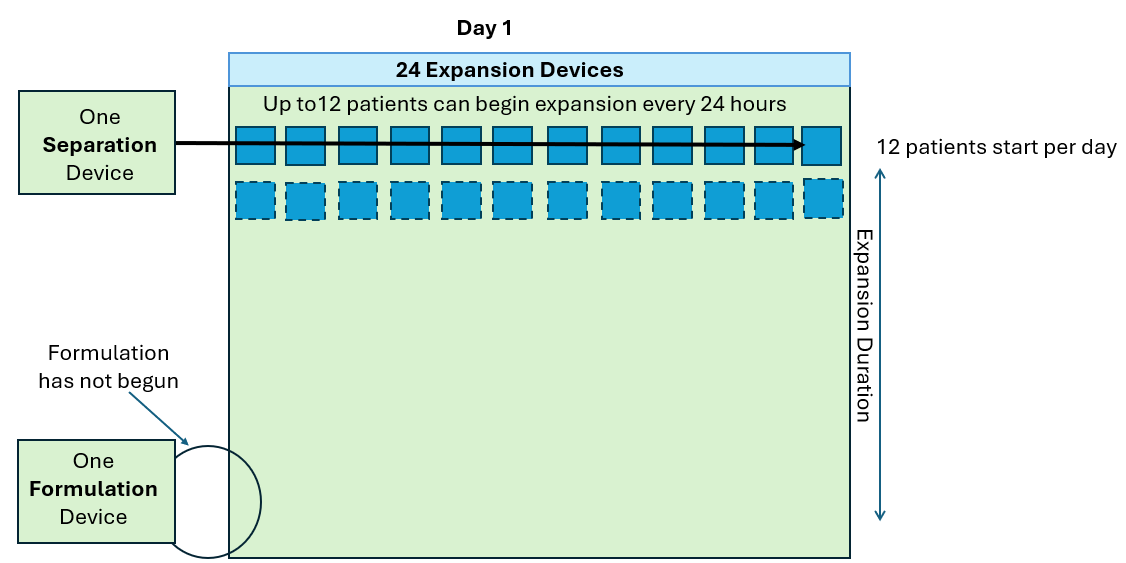
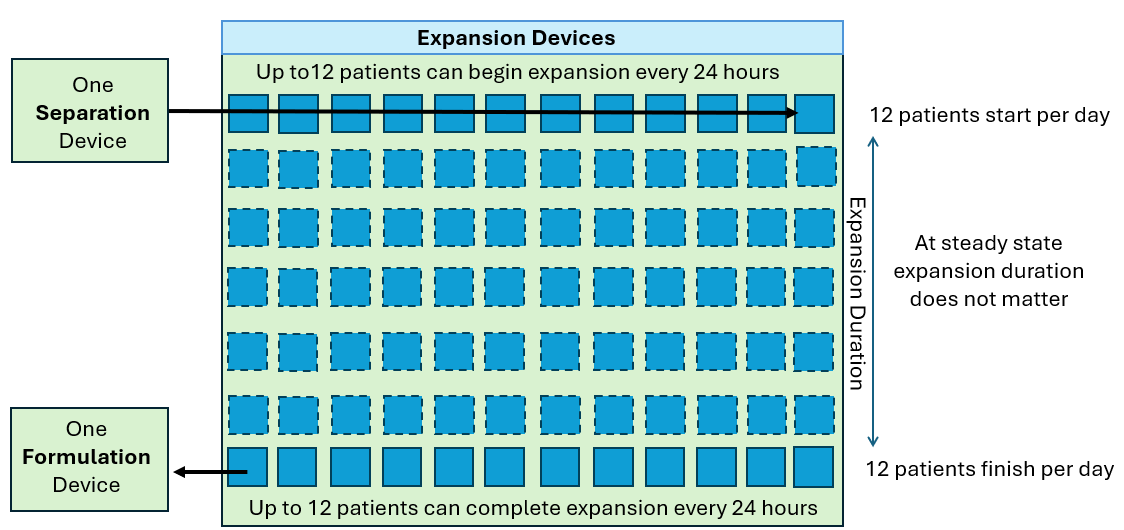
In a modular G-Rex approach, the drug substance can be connected and disconnected from bespoke instruments designed for each step and the bottleneck becomes the longest cycle time of the individual unit operations.

For example, assume it takes an operator two (2) hours to set up the isolation machine (e.g. install tubing set, load reagents, program software, etc.), run the isolation, and perform line clearance. In this scenario, every two (2) hours a new culture vessel is inoculated for activation, transduction, and expansion. 

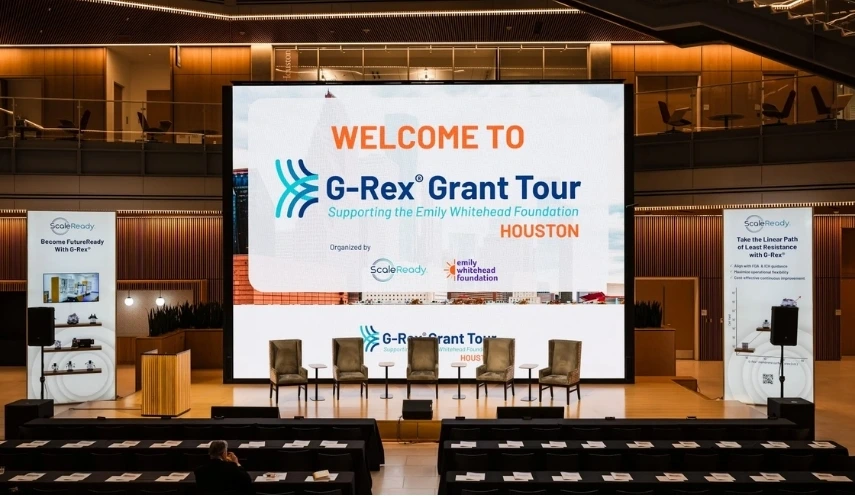
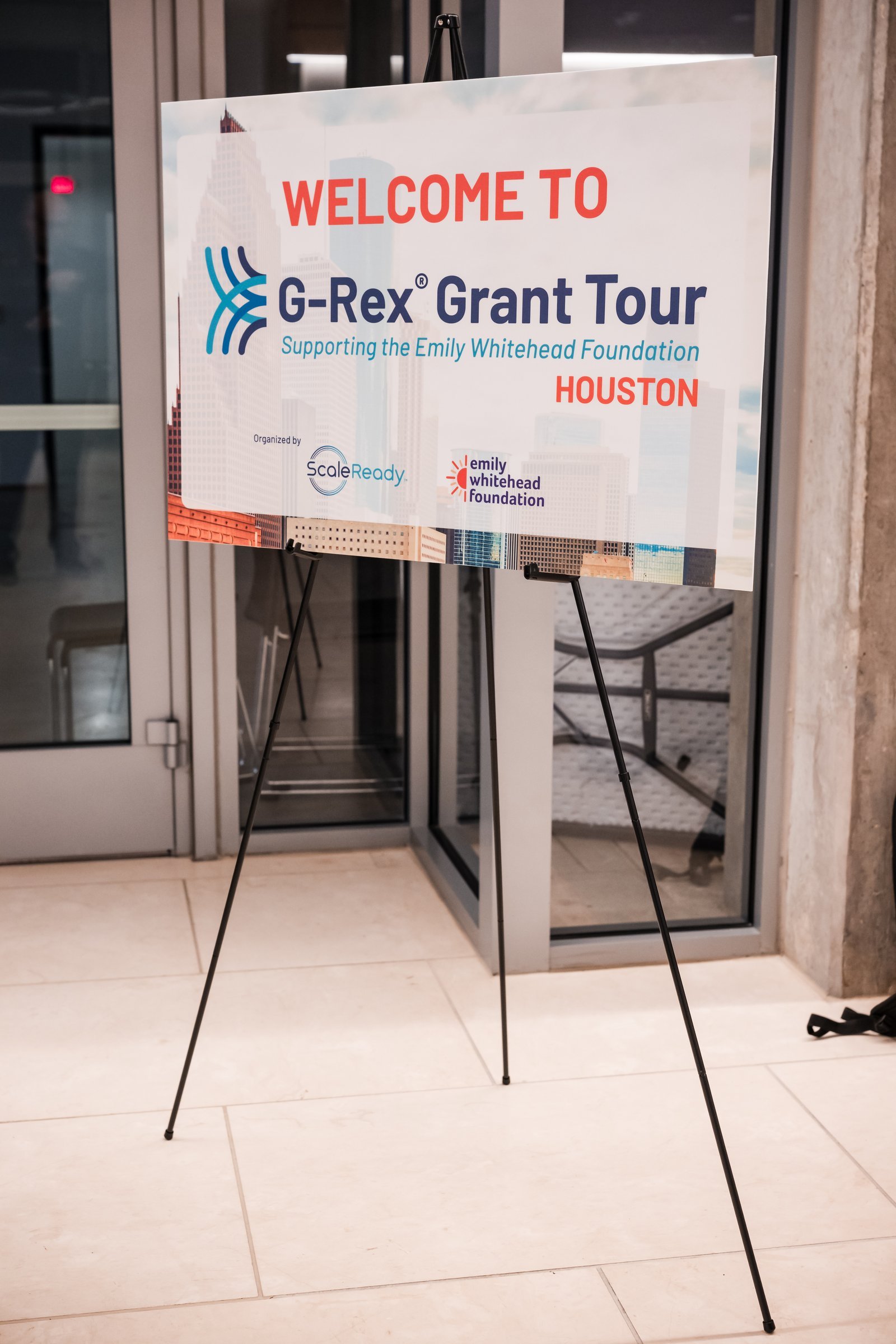
G-Rex Grant Tour 2026 – Houston, TX

G-Rex Grant Tour Houston
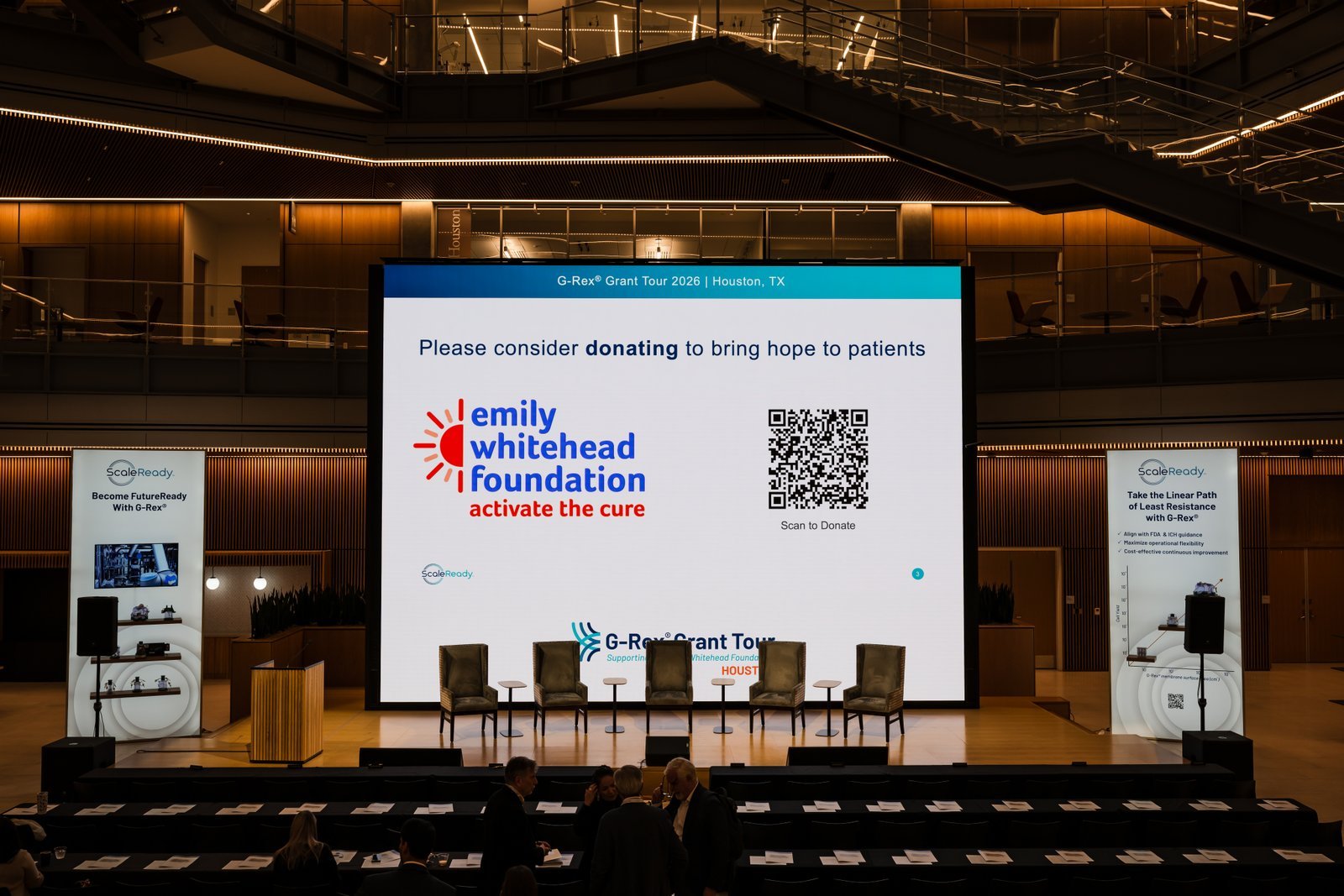
G-Rex Grant Tour Houston - Supporting Emily Whitehead Foundation

G-Rex® Grant Tour

Supporting the Emily Whitehead Foundation

HOUSTON

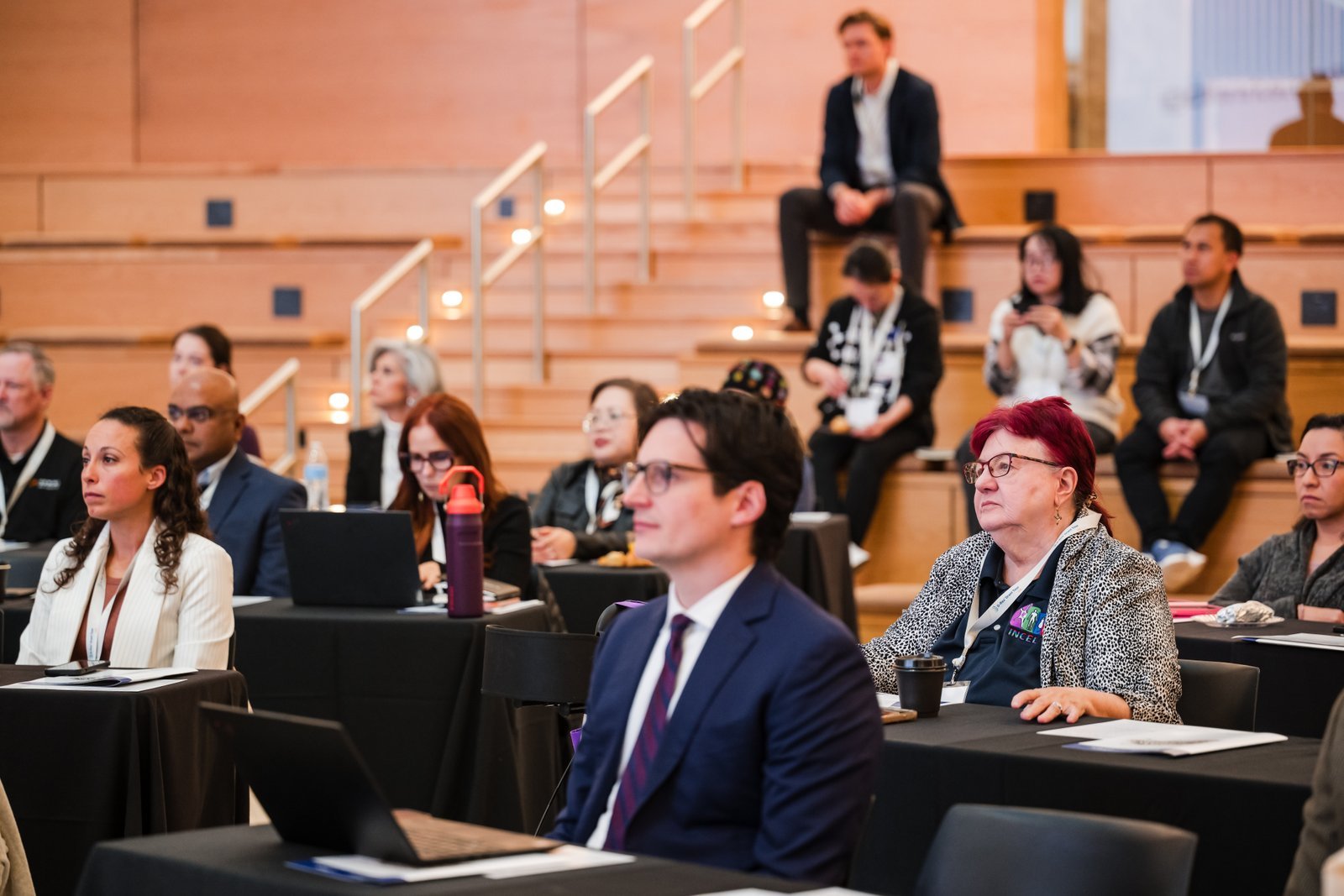
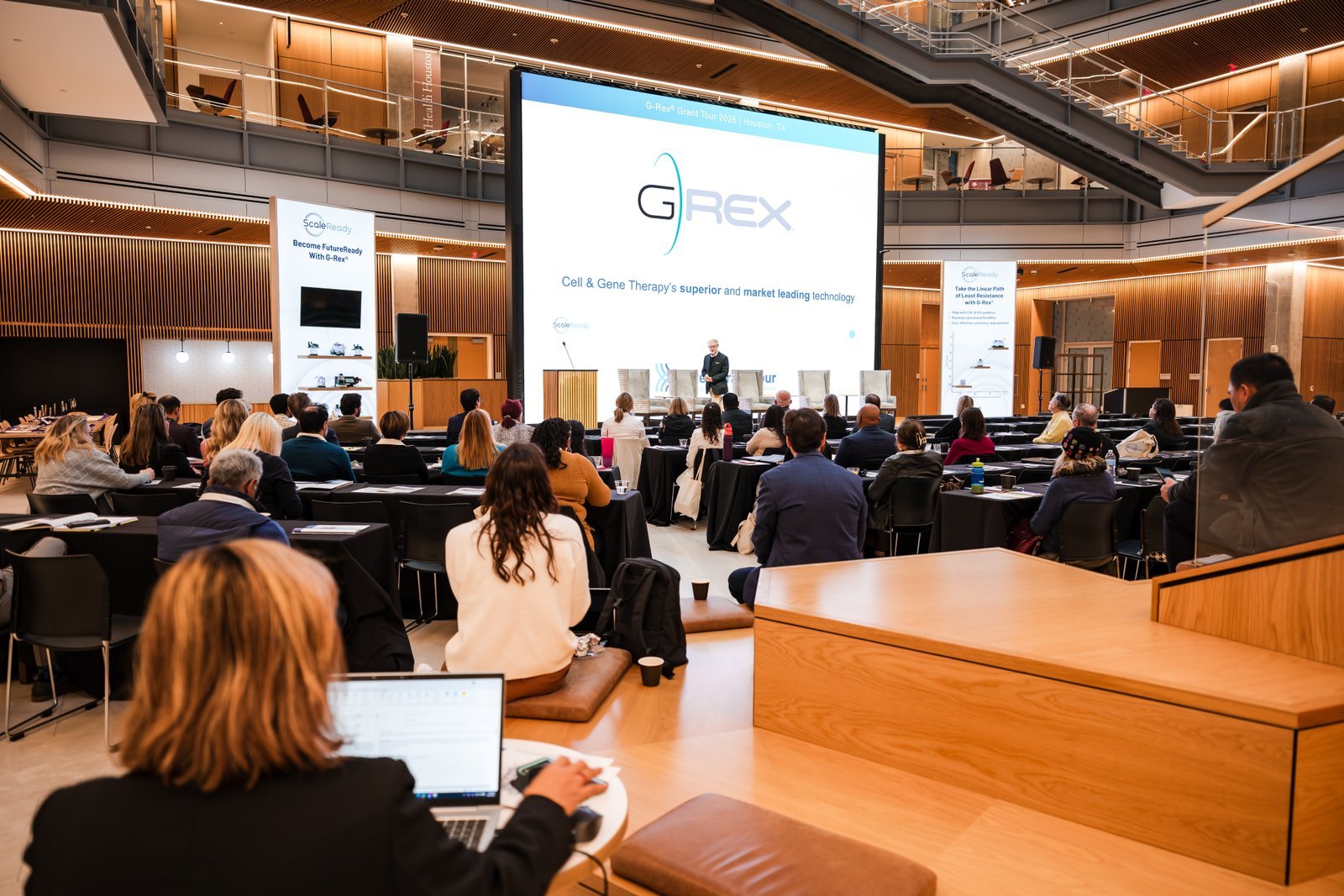
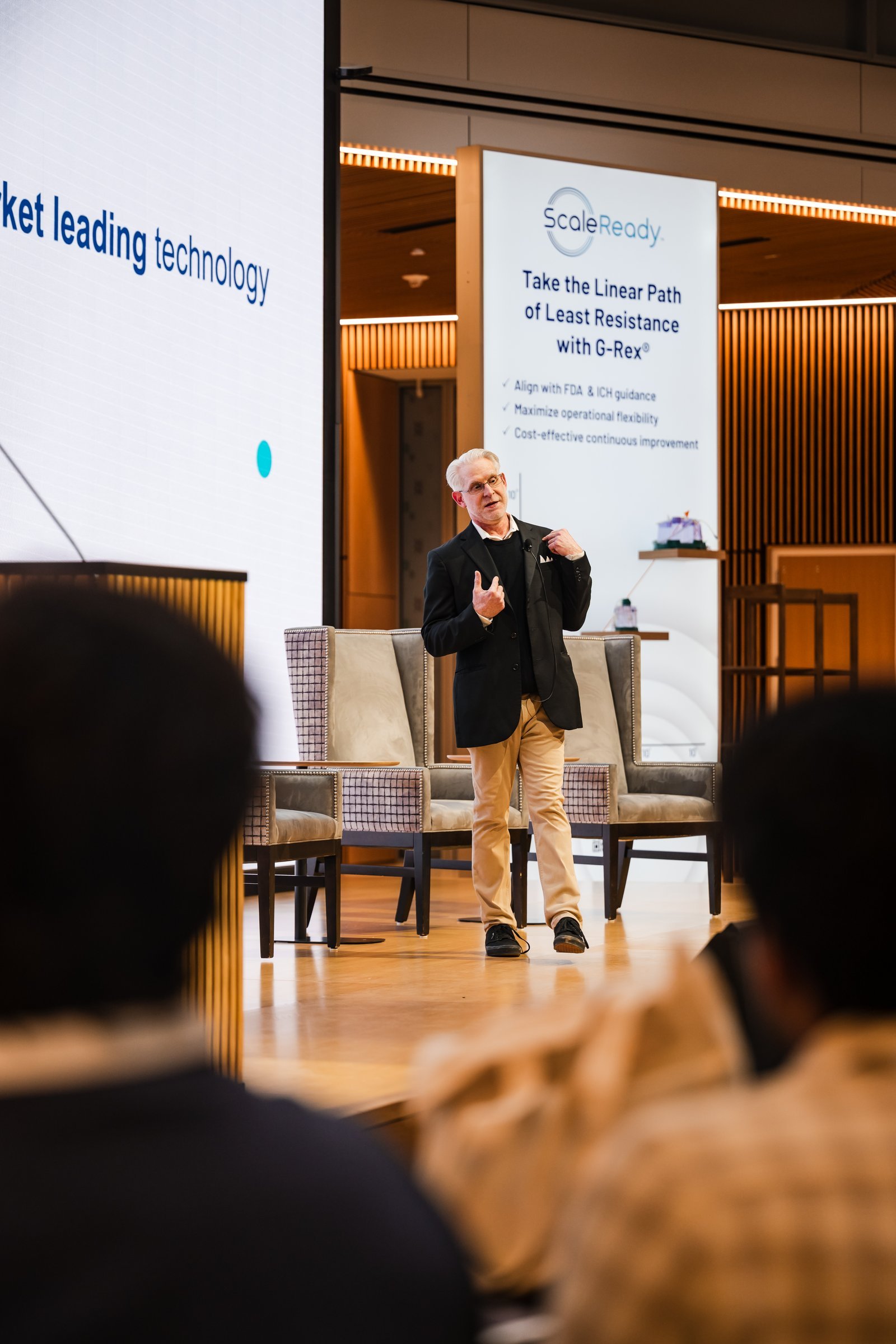
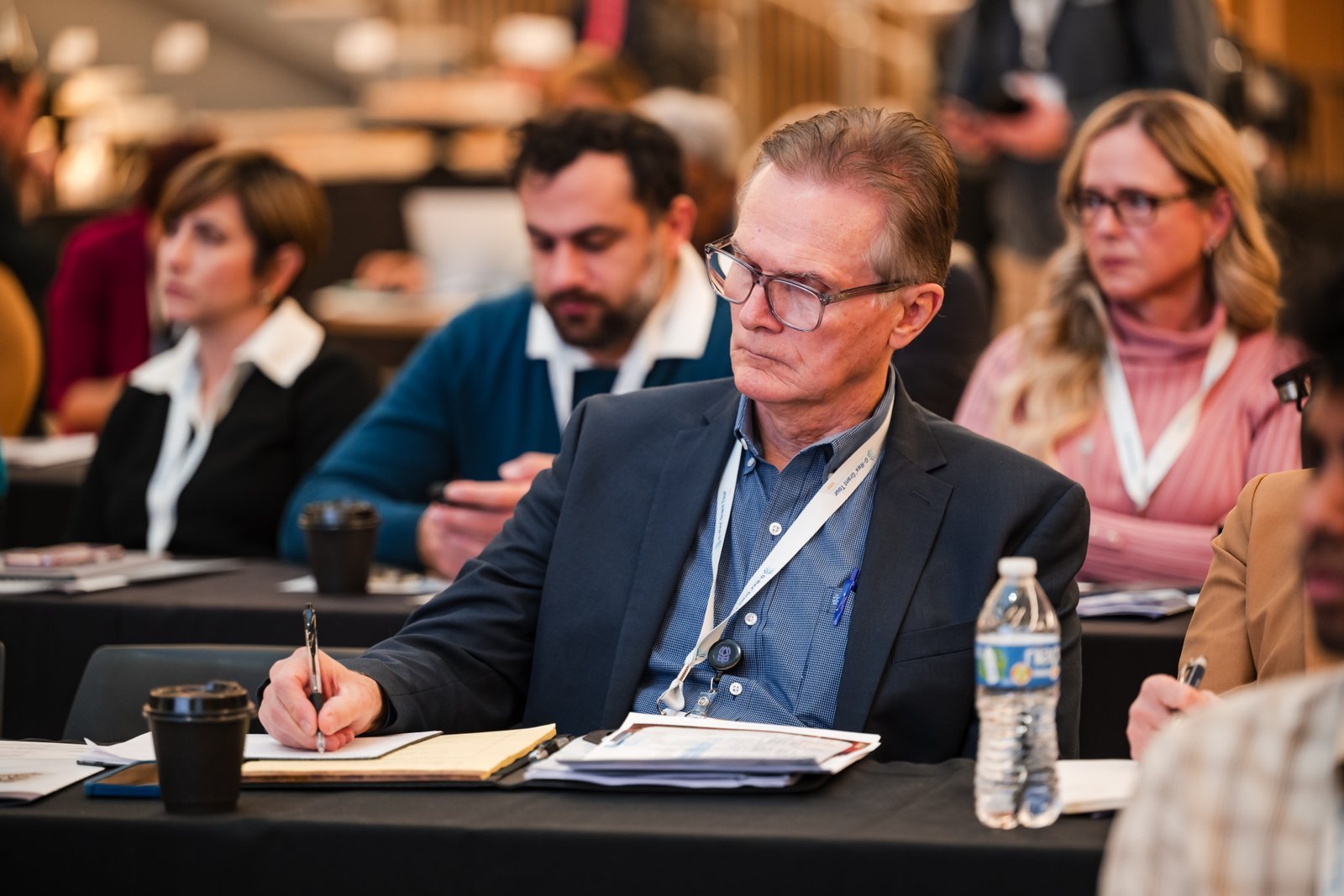
A recap of the speaker presentations and panel discussions from the Houston event.

Event Sessions

Catch up on all the insightful presentations.

Dr. Ann Leen

Meet Dr. Ann Leen​

Dr. Leen is an immunologist and a Professor of Pediatrics at Baylor College of Medicine (BCM). She has an extensive background developing and clinically testing a variety of novel immune-based therapies to treat patients with post-transplant viral infections and malignancies including lymphoma, multiple myeloma, leukemia, breast and pancreatic cancer. Dr. Leen was part of the Baylor team to first optimize the G-Rex for T cell production preclinically and for advancing the platform to the GMP for clinical manufacturing, and this contribution is reflected in her being a named co-inventor on multiple G-Rex patents.Over the past 20+ years at BCM Dr. Leen has served as a PI on numerous clinical trials using cell therapies for patients,many of which were produced using the G-Rex. Overall, Dr. Leen is a named inventor on 32 patents/patent applications and has co-founded two companies AlloVir and Marker Therapeutics. She has served as a primary mentor for summer students, graduate students, post-doctoral fellows and clinical fellows. In 2011 she was awarded TXCH Faculty Recognition Award for Teaching Excellence and in 2018 was recognized by the BCM graduate school for 2018 for her contribution to graduate student training.
Dr. Cassian Yee

Meet Dr. Cassian Yee

Dr. Yee is an oncologist, immunologist and endowed Professor in the Division of Cancer Medicine at MD Anderson Cancer Center where he is also Director of the Solid Tumor Cell Therapy Program. His lab pioneered a cell therapy modality known as Endogenous T Cell therapy that provided first clinical proof-of-concept of T cell memory, antigen- spreading, checkpoint inhibitor synergy, and years-long persistence of transferred T cells mediating durable complete responses without a requirement for lymphodepletion or high-dose IL-2. As a physician-scientist, his research converges multidisciplinary approaches in bioengineering, metabolism, epigenetics and molecular immunology into enabling technologies that render adoptive cell therapy more effective and accessible as a treatment modality for patients with common and rare cancers. He is founder of an AI startup and TCR-T cell therapy company (Mongoose Bio) with assets developed in Yee Lab focused on solid tumors, leveraging one of the largest immunopeptidomes established from MS-defined datasets. His latest project is a NASA-funded initiative to take T cells to the International Space Station.
Dr. Marie-Andrée Forget

Meet Dr. Marie-Andrée Forget​

Marie-Andrée Forget, PhD, is a Principal Scientist at CTMC, a joint venture between Resilience and MD Anderson Cancer Center. For the past three years, she has led the TIL Therapy Process Development group, enabling five INDs and six IND amendments for academic and biotech partners. Her team developed the CTMC Manufacturing TIL platform, designed to accelerate development while reducing manufacturing time and cost for non-engineered TIL as well as viral-based and non-based engineered TIL products. Before joining CTMC, Marie was recruited to MD Anderson as a postdoctoral research fellow co-mentored by Drs. Laszlo Radvanyi and Lawrence Cooper to improve the TIL manufacturing process. This included adoption of the G-Rex device in manufacturing, development of a new feeder platform, and implementation of retroviral engineering for TIL expansion. After being promoted to Scientist in charge of manufacturing production, including GMP TIL production, Marie co-authored over 45 peer-reviewed papers and two book chapters.Marie began her career in a diagnostic laboratory before earning her MS and PhD in immuno-oncology from the University of Montreal, where she studied TIL and tumor-specific T-cell expansion and tumor antigen validation for immunotherapy.
Ms. Monica Avila profile image

Meet Ms. Monica Avila

Monica Avila is a highly accomplished CMC Quality professional with over 15 years of industry experience in biotech. Known for her proven expertise in driving quality and compliance excellence, Monica has held senior leadership roles overseeing critical drug development activities, including scale-up, process development, and clinical stage manufacturing.She currently serves as Sr. Director, CMC Alliance and Project Management at Cellenkos Inc., where she provides leadership on all drug development and manages the company’s CMC outsourcing activities. Monica has successfully led the tech transfer of numerous projects to GMP manufacturing and has co-authored technical and regulatory documents for multiple IND submissions.
Dr. Austin Bigley

Meet Dr. Austin Bigley

Austin Bigley serves as the Vice President of Manufacturing Science and Technology at Indapta Therapeutics. With a distinguished career focused on spaceflight immunology and cancer immunotherapy utilizing natural killer (NK) cells, Austin brings extensive research expertise in exercise and spaceflight immunology, complemented by a robust publication record. His work notably explores how Cytomegalovirus (CMV) infection influences NK-cell activity against hematologic malignancies.Austin’s primary research objective is to elucidate the mechanisms by which exercise, spaceflight, and CMV infection impact NK-cell phenotype, cytotoxicity, proliferative capacity, and longevity. This research aims to develop effective ex vivo NK-cell expansion protocols to produce clinical-grade NK-cell products for use in cancer and anti-viral immunotherapy.Throughout his academic tenure, Austin has developed proficiency in a range of technical skills, including cell culture techniques, cellular expansion methods, cytotoxicity and functional assays, and flow cytometry. These skills have significantly contributed to his numerous publications in prestigious peer-reviewed journals. Moreover, he is the inventor of the g-NK cell expansion method currently utilized by Indapta Therapeutics and has developed several quality control potency and phenotypic identity assays.

Meet Dr. Mamta Kalra

Mamta Kalra joined Immatics in 2016 and is responsible for manufacturing process and analytical development for autologous and allogeneic ACT programs.Mamta has ~15 years of experience in the field of cell and gene therapy. She started with adoptive T-cell therapy of EBV-related cancers and other solid tumors at Center for Gene Therapy, Baylor College of Medicine. She was instrumental in process and analytical development activities including process optimization, potency testing of products and immune-monitoring for multiple adoptive T-cell therapy trials. Upon joining Immatics, she led process development for ACTengine program and gradually expanded her contributions to encompass diverse activities under analytical development including viral vector. In addition to manufacturing advancements, she also promoted innovation leading to product and platform development for various next-generation TCR-T programs.Mamta Kalra holds a PhD in Immunology from Postgraduate Institute of Medical Education and Research, India and a postdoctoral training in adoptive T-cell therapy from Center for Cell and Gene Therapy at Baylor College of Medicine.
Mr. Peter Gelinas

Meet Mr. Peter Gelinas

Mr. Gelinas is a biotechnology executive with more than 15 years of experience leading CMC and technical operations in cell and gene therapy companies. He has advanced programs from Phase I through commercialization, building global manufacturing networks, driving regulatory filings, and leading high-performing technical organizations. Most recently, Mr. Gelinas served as Senior Vice President of CMC (chemistry, manufacturing and controls) at AffyImmune Therapeutics, where he led strategy for a first-in-class autologous CAR-T therapy. Previously, he was Vice President and Head of Manufacturing & Technical Operations at ElevateBio, overseeing operations across a broad portfolio of autologous and allogeneic cell and gene therapies. Earlier, in senior leadership roles at bluebird bio, Peter played a key role in bringing the first-in-class gene therapies SKYSONA™ and ZYNTEGLO™ to market, leading process validation (PPQ), global technology transfers, and regulatory submissions to secured FDA and EMA global approvals.
Dr. Verena Kallhoff

Meet Dr. Verena Kallhoff

Dr. Verena Kallhoff is the Senior Director of Global Life Sciences at the Greater Houston Partnership, where she leads strategic initiatives to grow and strengthen the region’s life sciences and biotechnology ecosystems. She works closely with local, state, national, and international stakeholders to support innovation, attract investment, and assist companies seeking to relocate or expand in the Greater Houston area.Prior to joining the Partnership, Dr. Kallhoff served as Vice President of Omics and Precision Medicine at Equideum Health, a health tech startup. She also held multiple leadership roles at The University of Texas at Austin, including directing The WorkSpaces at Texas Health CoLab, the innovation hub at Dell Medical School. There, she worked with innovators and startups commercializing their technology and developed and led programs to foster regional innovation. In response to the COVID-19 pandemic she became a co-founder of TEXGHS—the Texas Global Health Security Consortium.Earlier roles include positions at Harris Health System and Houston Methodist Research Institute, where she was the Managing Director of CyBHOR, an Industry/University Cooperative Research Center funded by the National Science Foundation. Dr. Kallhoff earned her Ph.D. in Molecular and Human Genetics from Baylor College of Medicine and an MBA from the University of Houston–Clear Lake.
Dr. Ferran Prat

Meet Dr. Ferran Prat

Dr. Ferran Prat serves as the Chief Commercial Officer at BostonGene, where he leads the company’s commercial strategy, including sales, marketing and business development. With deep expertise in business development across the healthcare, pharmaceutical and biotechnology sectors, Dr. Prat brings extensive experience in licensing, strategic partnerships, regulatory affairs, operations and program management.Before joining BostonGene, Dr. Prat was Senior Vice President of Research Administration and Industry Relations at The University of Texas MD Anderson Cancer Center. In this role, he led major collaborations with the biopharma industry, translating cutting-edge science into clinical applications and positioning MD Anderson as a leading center for industry engagement.Earlier in his career, Dr. Prat held leadership roles at Alere Inc. (now part of Abbott Laboratories) and worked as a management consultant at McKinsey & Company. He earned his PhD in Organic Chemistry from the University of California, Los Angeles and a JD from the University of San Diego School of Law.
Dr. Michael Dilling

Meet Dr. Michael Dilling

Michael Dilling is Executive Director of Commercialization at the BCM Innovation Institute, the integrated commercialization team at Baylor College of Medicine (BCM) - a nationally recognized biomedical research institution and the only private medical school in the Southwestern U.S.BCM leads all Texas-based institutions in NIH research funding and hosts top-ranked departments. Under Dilling’s leadership, BCMII builds strategic commercial partnerships that help translate biomedical discoveries into products and services that benefit patients and support BCM’s academic mission. Over the past five fiscal years, the team has completed 250+ licensing transactions and negotiated industry-sponsored research and services contracts valued at over $95 million.Dilling oversees the BCMII team of six technology management professionals, a compliance expert, and a team of three financial professionals. With over 25 years of experience in academic technology commercialization, he has negotiated or guided the negotiation of hundreds of agreements between BCM and commercial partners. He also teaches the graduate course “Commercialization of Biomedical Technologies”, covering IP, startup formation, fundraising, and product development.An active member of the Association of University Technology Managers (AUTM), Dilling contributes to its Mentorship Committee and helped develop new mentorship tools. He holds a Ph.D. in Genetics from Texas A&M (1993), an MBA from the University of Memphis (1999), and completed postdoctoral work at St. Jude Children’s Research Hospital. He joined BCM in 2000.
Mr. Chris White

Meet Mr. Chris White

Chris White is a cancer survivor, patient advocate, and national speaker whose personal journey helped shape one of the most significant milestones in solid tumor cancer treatment. He is the final patient ever dosed in the phase 2, cohort 4 clinical trial that led to the first FDA approved advanced cellular therapy for any solid tumor cancer in history. This therapy is known as Lifileucel or by its commercial name, AMTAGVI.Chris is the last of the 153 total patients treated in this groundbreaking study. He is one of only 12 participants in the trial with mucosal melanoma and one of just 6 from that group to achieve a clinical response. His outcome is particularly remarkable given that he entered the trial with stage 4 disease, metastasis to major organs and his brain, and no remaining standard treatment options.On January 15, 2020, Chris received his TIL infusion followed by all six recommended doses of IL 2. That was the final treatment he ever required. Within six weeks his tumors had reduced by an estimated 50 to 60 percent. Within nine months his scans showed a complete metabolic response.The accelerated approval of AMTAGVI in February 2024 marked a historic shift in cancer care and opened the door for additional biotherapeutics and advanced cellular therapies for solid tumors. Since solid tumors represent roughly 90 percent of all cancer diagnoses and statistics show that about 40 percent of people will face cancer in their lifetime, expanding access to options that preserve both quality and quantity of life is critical.Chris now uses his voice and experience to educate and empower patients, caregivers, clinicians, and researchers. By sharing his story, he provides clarity, perspective, and hope for everyone navigating cancer or exploring the promise of advanced therapies.
Mr. Ignacio Nunez, M.Sc., MBB

Meet Mr. Ignacio Nunez, M.Sc., MBB

Ignacio Nunez is a seasoned operator and manufacturing executive with deep expertise in biologics, cell and gene therapies, and complex GMP manufacturing systems. He has spent his career helping organizations translate breakthrough therapies into scalable, reliable operations.Most recently, Ignacio served as Chief Operating Officer of CellReady, where he led the company’s operational expansion in the cell and gene therapy space. He drove large-scale organizational and manufacturing transformations, delivering material reductions in capital expenditure and development timelines while strengthening GMP manufacturing, quality systems, and supply chain performance across collaborations with global biopharma, emerging biotech, academic institutions, investors, and CDMOs/CROs.Earlier, Ignacio contributed hands-on to the industrialization and commercialization of next-generation therapies, including some of the first FDA-approved cell and gene therapies. He founded BioExcellence to bring operator-led execution to clients—developing high-throughput manufacturing and operational excellence models adopted in the design and optimization of large-scale cell therapy production facilities.Ignacio holds B.S. and M.Sc. degrees in Chemical Engineering from the University of Granada and is a certified Lean Six Sigma Master Black Belt.

Panel Discussions

Business Roundtable

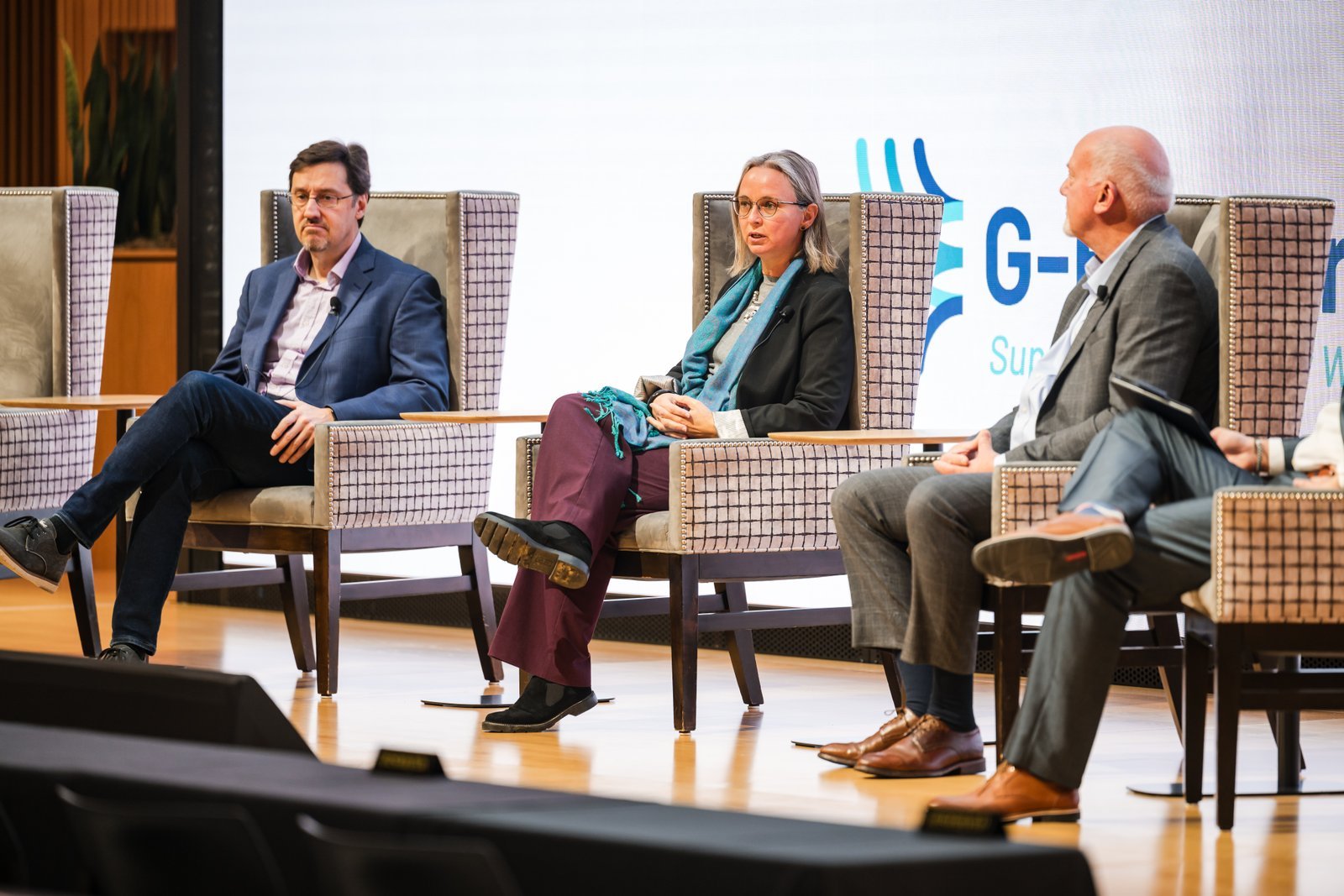
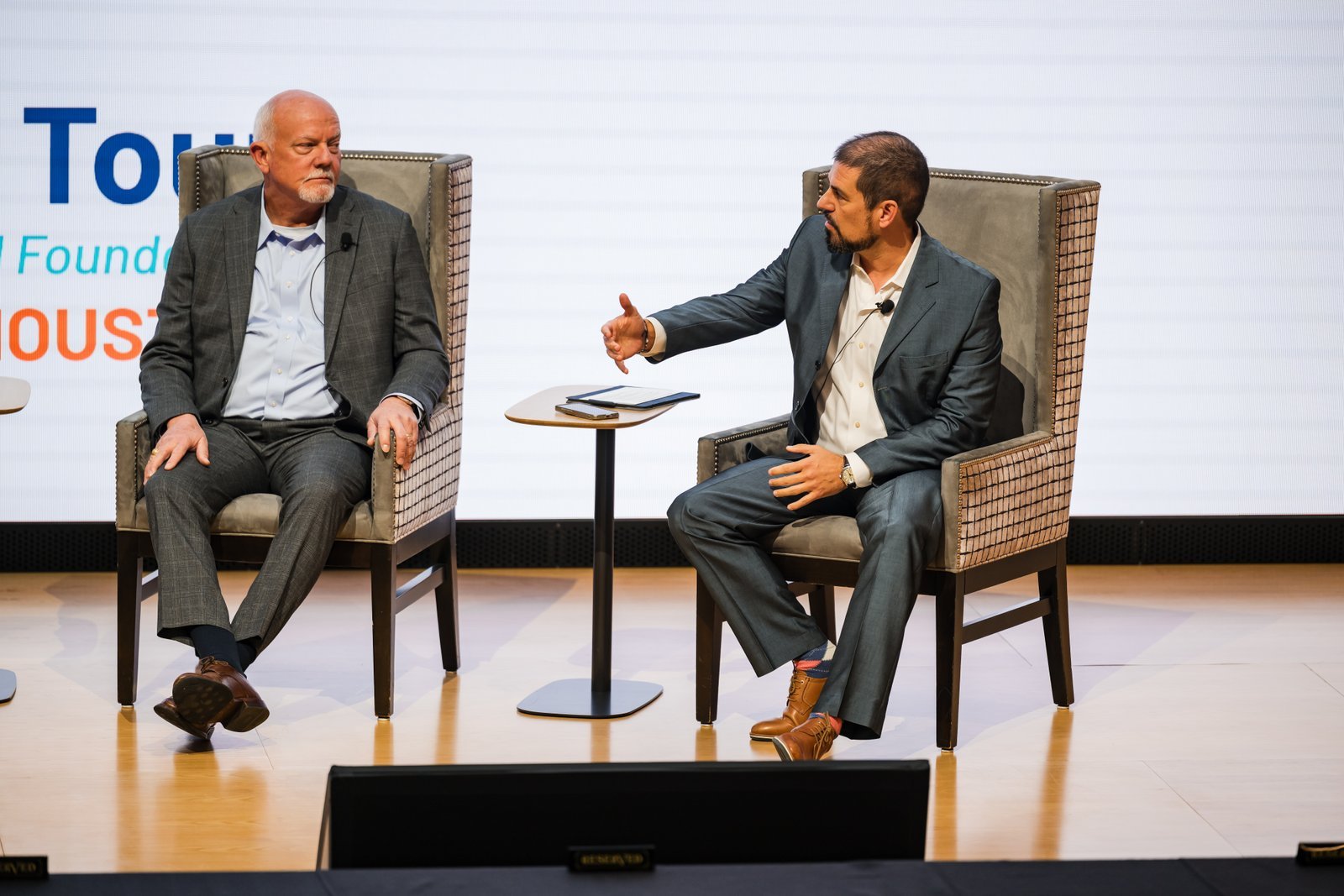
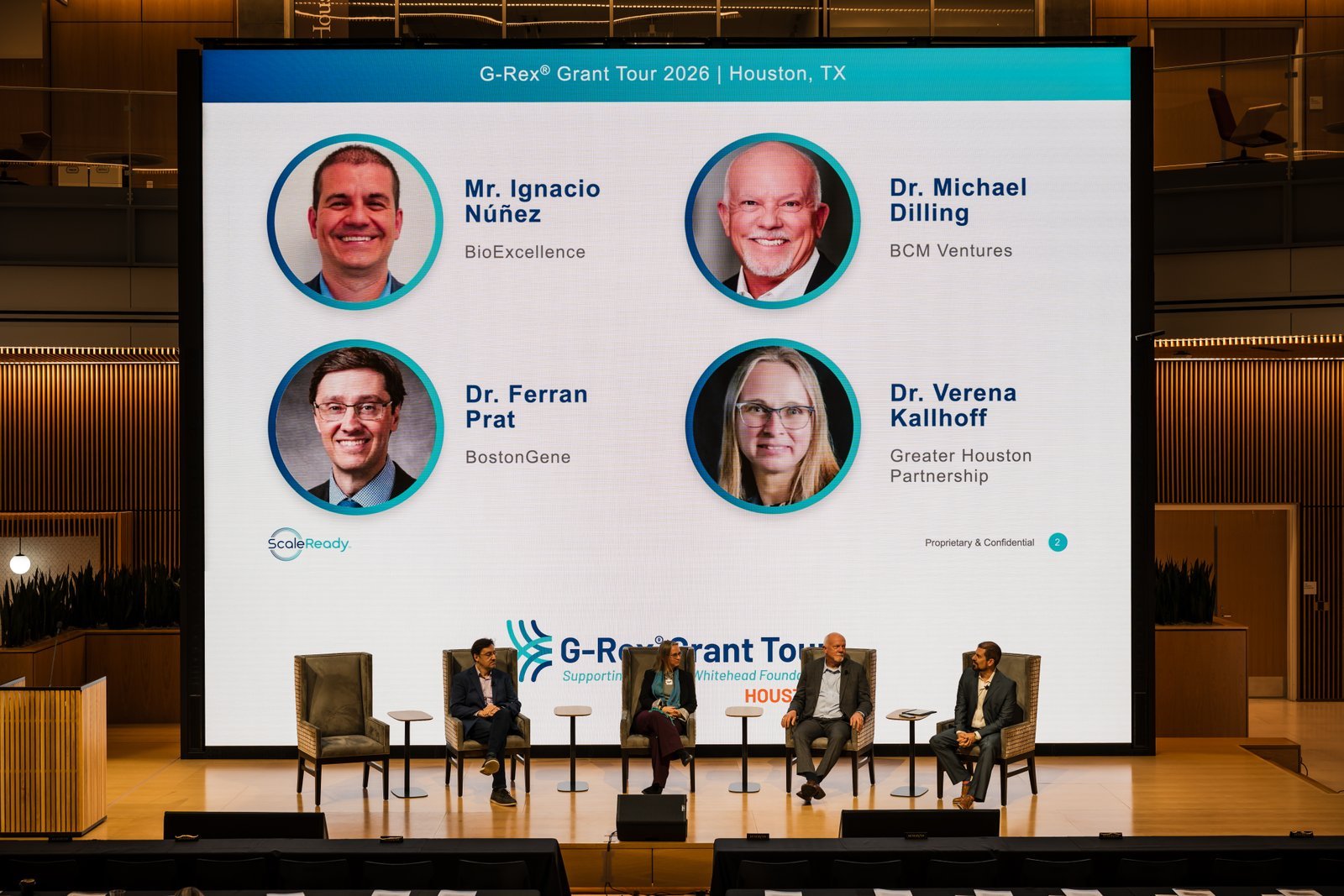
A discussion about the CGT business with Dr. Michael Dilling, Dr. Ferran Prat, Dr. Verena Kallhoff and Mr. Ignacio Nunez

Solid Tumors, The Last Frontier

A panel discussion with Dr. Ann Leen, Dr. Cassian Yee, and Dr. Marie-Andree Forget
Event Sponsors

G-Rex Grant Tour 2026

SHAPING THE FUTURE OF CELL THERAPY

G-REX GRANT
TOUR 2026

Join the $40M+ tour - because every breakthrough matters to someone waiting for a cure.

+$250k

Money Raised

Emily Whitehead Foundation logo — sponsor of the G-REX Grant Tour

Event Sponsors

San Francisco Location

San Francisco, CA
Location
Forum @ Gateway
of Pacific
Date:
March 27, 2026
10:00 AM - 07:00 PM
Event Countdown:
00 DAYS
00 HRS
00 MINS
View Event Details

G-Rex Grant Tour
Dates & Locations

San Diego G-Rex Grant Tour Event Venue - ScaleReady G-Rex technology

San Diego, CA

Scripps Seaside Forum

Date:

April 16, 2026
10:00AM - 7:00PM

Speakers:
Dr. Dan Macleod - G-Rex Grant Tour Speaker - ScaleReady G-Rex technology Colin Exline - G-Rex Grant Tour Speaker - ScaleReady G-Rex technology Dr. Haiyan Jiang - G-Rex Grant Tour Speaker - ScaleReady G-Rex technology Dr. Dan Kaufman - G-Rex Grant Tour Speaker - ScaleReady G-Rex technology Dr. Christine Chen - G-Rex Grant Tour Speaker - ScaleReady G-Rex technology Dr. Nancy Hong - G-Rex Grant Tour Speaker - ScaleReady G-Rex technology Betsy & Beau Larrabee - G-Rex Grant Tour Patient Advocates - ScaleReady G-Rex technology
Boston G-Rex Grant Tour Event Venue - ScaleReady G-Rex technology

Boston, MA

Artists for Humanity

Date:

May 11, 2026
3:00PM - 9:00PM

Speakers: Coming Soon
G-Rex Grant Tour Speaker - Ms. Victoria Gray Coming Soon G-Rex Grant Tour Speaker - ScaleReady G-Rex technology
Seattle G-Rex Grant Tour Event Venue - ScaleReady G-Rex technology

Seattle, WA

Apella by Alexandria
(Seattle)

Date:

June 25, 2026
10:00AM - 7:00PM

Speakers: Coming Soon
Coming Soon G-Rex Grant Tour Speaker - ScaleReady G-Rex technology Coming Soon G-Rex Grant Tour Speaker - ScaleReady G-Rex technology
Madrid G-Rex Grant Tour Event Venue - ScaleReady G-Rex technology

Madrid, Spain

Palacio Neptuno

Date:

June 5, 2026
12:00PM - 7:00PM

Speakers:
Dr. Alena Gros G-Rex Grant Tour Speaker - ScaleReady G-Rex technology Dr. Begoña Diez Cabezas G-Rex Grant Tour Speaker - ScaleReady G-Rex technology Dr. Begoña Diez Cabezas G-Rex Grant Tour Speaker - ScaleReady G-Rex technology Mr. Ignacio Nunez, M.Sc., MBB G-Rex Grant Tour Speaker - ScaleReady G-Rex technology
Raleigh G-Rex Grant Tour Event Venue - ScaleReady G-Rex technology

Raleigh (RTP), NC

Apella by Alexandria
(Research Triangle)

Date:

July 23, 2026
10:00AM - 7:00PM

Speakers:
Soon G-Rex Grant Tour Speaker - Ms. Pamy Noldner Soon G-Rex Grant Tour Speaker - Dr. Shikhar Mehrotra Soon G-Rex Grant Tour Speaker - Dr. Richard D. Lopez Coming Soon G-Rex Grant Tour Speaker - ScaleReady G-Rex technology
Los Angeles G-Rex Grant Tour Event Venue - ScaleReady G-Rex technology

Los Angeles, CA

Location to be confirmed

Date:

August 2026

Speakers: Coming Soon
Coming Soon G-Rex Grant Tour Speaker - ScaleReady G-Rex technology Coming Soon G-Rex Grant Tour Speaker - ScaleReady G-Rex technology
Chicago G-Rex Grant Tour Event Venue - ScaleReady G-Rex technology

Chicago, IL

Location to be confirmed

Date:

September 2026

Speakers: Coming Soon
Coming Soon G-Rex Grant Tour Speaker - ScaleReady G-Rex technology Coming Soon G-Rex Grant Tour Speaker - ScaleReady G-Rex technology
New York G-Rex Grant Tour Event Venue - ScaleReady G-Rex technology

New York, NY

Apella by Alexandria
(New York City)

Date:

October 12, 2026
10:00AM - 7:00PM

Speakers: Coming Soon
Coming Soon G-Rex Grant Tour Speaker - ScaleReady G-Rex technology Coming Soon G-Rex Grant Tour Speaker - ScaleReady G-Rex technology
Phoenix G-Rex Grant Tour Event Venue - ScaleReady G-Rex technology

Phoenix, AZ

Location to be confirmed

Date:

November 2026

Speakers: Coming Soon
Coming Soon G-Rex Grant Tour Speaker - ScaleReady G-Rex technology Coming Soon G-Rex Grant Tour Speaker - ScaleReady G-Rex technology
Minneapolis G-Rex Grant Tour Event Venue - ScaleReady G-Rex technology

Minneapolis, MN

Location to be confirmed

Date:

December 2026

Speakers: Coming Soon
Coming Soon G-Rex Grant Tour Speaker - ScaleReady G-Rex technology Coming Soon G-Rex Grant Tour Speaker - ScaleReady G-Rex technology
Houston G-Rex Grant Tour Event Venue - ScaleReady G-Rex technology

Houston, TX

Texas Medical Center

Helix Park

Date:

Jan 21, 2026

08:00 AM - 05:00 PM

Speakers:
Dr. Ann Leen G-Rex Grant Tour Speaker - ScaleReady G-Rex technology Dr. Cassian Yee G-Rex Grant Tour Speaker - ScaleReady G-Rex technology Dr. Marie Andree Forget G-Rex Grant Tour Speaker - ScaleReady G-Rex technology Dr. Eric Smith G-Rex Grant Tour Speaker - ScaleReady G-Rex technology Austin G-Rex Grant Tour Speaker - ScaleReady G-Rex technology Mamta Kalra G-Rex Grant Tour Speaker - ScaleReady G-Rex technology Mr. Peter Gelinas G-Rex Grant Tour Speaker - ScaleReady G-Rex technology
Philadelphia G-Rex Grant Tour Event Venue - ScaleReady G-Rex technology

Philadelphia, PA

The Franklin Institute

Date:

February 19, 2026

11:00 AM - 09:00 PM

Speakers:
Boro Dropulic G-Rex Grant Tour Speaker - ScaleReady G-Rex technology Raymond Luke G-Rex Grant Tour Speaker - ScaleReady G-Rex technology Ghassemi Saba G-Rex Grant Tour Speaker - ScaleReady G-Rex technology Dr. Patrick Hanley G-Rex Grant Tour Speaker - ScaleReady G-Rex technologySmita Chandran G-Rex Grant Tour Speaker - ScaleReady G-Rex technology Ignacio Nunez G-Rex Grant Tour Speaker - ScaleReady G-Rex technology Betsy Beau Larrabee G-Rex Grant Tour Speaker - ScaleReady G-Rex technology
San Francisco G-Rex Grant Tour Event Venue - ScaleReady G-Rex technology

San Francisco, CA

Forum @ Gateway of Pacific

Date:

March 27, 2026

10:00 AM - 7:00 PM

Speakers:
Steve Feldman G-Rex Grant Tour Speaker - ScaleReady G-Rex technology Dr. Ross Wilson G-Rex Grant Tour Speaker - ScaleReady G-Rex technology Ramya G-Rex Grant Tour Speaker - ScaleReady G-Rex technology Dr. Shahab Asgharzadeh G-Rex Grant Tour Speaker - ScaleReady G-Rex technology Andras Attila Heczey G-Rex Grant Tour Speaker - ScaleReady G-Rex technology Dr. Ke Li G-Rex Grant Tour Speaker - ScaleReady G-Rex technology Chris Brown G-Rex Grant Tour Speaker - ScaleReady G-Rex technology Sohel Talib G-Rex Grant Tour Speaker - ScaleReady G-Rex technology

Loading map...

The G-Rex Grant Tour will be co-produced by the Emily Whitehead Foundation (EWF) and all sponsorship fees will go directly to support the EWF mission “to support patients and caregivers affected by cancer and rare diseases, and advocate for all patients who can be treated with advanced therapies”.
Emily Whitehead Foundation logo — sponsor of the G-REX Grant Tour

In the Media

Press articles about the G-Rex Grant ecosystem

PRNewswire

ScaleReady Announces a G‑Rex® Grant has been awarded to Sonoma Biotherapeutics

Sonoma Biotherapeutics received a $300,000 G‑Rex® Grant to accelerate development of scalable regulatory T‑cell therapies using the G‑Rex platform.

Why you can't
miss this

The G-Rex Grant Tour brings the CGT community together to share insight, deepen collaboration, and advance purpose - all to support families facing cancer and rare disease.

No matter your role in shaping the future of cell therapy, this tour invites you to learn and connect with a community determined to turn possibility into hope.

Patient-focused strategies icon - ScaleReady G-Rex

Patient-Focused Progress

Every session, insight, and collaboration is centered on accelerating therapies that truly change outcomes for patients and families.
Illustration of patient-focused progress in CGT - G-Rex Grant Tour
Breakthrough innovation icon - ScaleReady G-Rex

Breakthrough Innovation

The G-Rex Grant Tour showcases the ideas, technologies, and strategies that are redefining how cell therapies are discovered, scaled, and delivered.
Redefining cell therapy innovation illustration - G-Rex Grant Tour
Community connection icon - ScaleReady G-Rex

Unite the CGT Community

The G-Rex Grant Tour is for researchers, clinicians, advocates, and industry leaders coming together to share knowledge and spark partnerships.
CGT community networking illustration - G-Rex Grant Tour

Global Impact, Local Reach

We are bringing this mission to 13 cities across the world to unite a powerful coalition dedicated to accelerating patient cures.

We are bringing this mission to 13 cities across the world to unite a powerful coalition dedicated to accelerating patient cures.

Empowering Local Hubs

Investing in and rallying the cell & gene therapy community right where you are.

Fostering Collaboration

Connecting like-minded innovators to work together towards patient cures.

Accelerating Cures

Driving clinical progress through a shared duty to the patients we serve.

Showcasing Breakthroughs

Highlighting the diverse, innovative approaches being powered by G-Rex technology.

G-Rex Grant Tour

If you're building the future of cell therapy - this is your place

Interested in Sponsoring?

Are you a provider of tools, technology, or services used in research, development, or manufacturing of cell and gene therapies?
Does your innovation pair nicely with G-Rex?
If yes, please consider sponsoring one, some, or all of the G-Rex Grant Tour events.  Your sponsorship is a tax deductible donation to the Emily Whitehead Foundation.

    G-Rex & Robotic Autonomation

    The earliest known industrial robot, conforming to the ISO definition, was completed in 1938.  The first robotics patent was filed in 1954 (and granted in 1961). The “Stanford arm” was invented in 1969 and the designs were sold to General Motors.  By 1984, industrial robotic systems were standard in automobile manufacturing.

    Today, industrial robotic systems are performing typical applications such as welding, assembly, disassembly, pick and place, packaging and labeling, palletizing, production inspection, and testing. Notably, all of these tasks are also required in cell and gene therapy drug product manufacturing.

    The rich history of robotic systems being applied to assembly line manufacturing is a tailwind for rapid industrialization of cell and gene therapy – and G-Rex is a robot’s best friend.

    As you can see from the video on the right, robotic handling of G-Rex devices has always been part of our vision for the future of T cell therapy manufacturing.  While the nature of the robot and some minor details of the process are different, the prescience of this vision has now become reality through our many partners driving the robotic autonomation of G-Rex devices.

    G-Rex100M-CS AutoM
    • G-Rex100M-CS AutoM, (G281100-A)
    • G-Rex100M-CS AutoM, RUO, (RUG281100-A)

    The simplicity of G-Rex enables rapid iteration of new models into sophisticated liquid handling solutions that streamline the flow of the drug substance through the robotically autonomated assembly line.

    The device on the left shows a G-Rex with “end of arm tooling” that enables the robotic arm to pick up, handle, and maneuver the G-Rex device – including inoculating cells, media, reagents through sterile welding and connections.

    All the internal tubing lines are fixed, as well as fixed sterile connections for stable access.  The device functions in the same core way manner as any other device in the G-Rex platform, enabling continuity and therefore clarity & understanding, standards & comparability, control and continuous improvement.

    Our Partners in Robotic Autonomation

    Multiply Labs logo
    Cellular Origins logo
    ABB logo

    Think Big & Start Small with Quality by Design

    Think Big & Start Small with Quality by Design

    Share

    Quality by Design (QbD) is a systematic approach to development that begins with predefined objectives and emphasizes product and process understanding and process control, based on sound science and quality risk management.  QbD principles are heavily integrated throughout the ICH Quality Guidances, starting with ICH Q8 on Pharmaceutical Development.

    Sponsors of investigational new drugs are encouraged to adopt the following basic approach:

    Design Space:

    The multidimensional combination and interaction of input variables (e.g., material attributes) and process parameters that have been demonstrated to provide assurance of quality. Working within the design space is not considered as a change. Movement out of the design space is considered to be a change and would normally initiate a regulatory post approval change process. Design space is proposed by the applicant and is subject to regulatory assessment and approval (ICH Q8).

    QbD done right culminates in a Design Space with...

    QbD done poorly culminates in a Design Space with...

    The manufacturing platform you choose comes with a default Design Space!

    Developers of cell & gene therapies essentially have two choices when it comes to platforms for drug product manufacturing: G-Rex or Mechanized Bioreactors.


    A comparison table below shows that virtually identical design spaces, with the exception that Mechanized Bioreactors require strict control over variables that are related to the movement of fluid.

    Must strictly control [X] to assure drug product qualityG-RexMechanized Bioreactor
    Number & nature of cells seeded for culture G-Rex Yes Bioreactor Yes
    Reagent concentration, volumes, & temperature G-Rex Yes Bioreactor Yes
    Cell culture media formulation G-Rex Yes Bioreactor Yes
    Length & cycle time of unit operation(s) G-Rex Yes Bioreactor Yes
    Hold time between unit operation(s) G-Rex Yes Bioreactor Yes
    Cell culture environment(temperature, % CO2 & O2, Humidity, etc.) G-Rex Yes Bioreactor Yes
    Media flow rate G-Rex N/A Bioreactor Yes
    Cell culture vessel agitation rate G-Rex N/A Bioreactor Yes
    Sheer force G-Rex N/A Bioreactor Yes
    Instruments used(IQ/OQ/PQ and calibration procedures) G-Rex Yes Bioreactor Yes
    Formulation conditions G-Rex Yes Bioreactor Yes

    Implications of Design Space...

    It is not hyperbole that the implications of choosing a platform that must or must not strictly control variables related to the movement of fluid is the difference between choosing scalability, flexibility, commercial viability, and company vitality.

    ...in development

    Can develop design space at small or pilot scale? G-Rex Yes Bioreactor No
    Can time/cost efficiently set up multivariate experiments to understand CQAs & CPPs? G-Rex Yes Bioreactor No
    Can time/cost efficiently determine Proven Acceptable Ranges (PARs) G-Rex Yes Bioreactor No
    Can time/cost efficiently perform comparability studies & drive continuous improvement G-Rex Yes Bioreactor No
    Can time/cost efficiently validate commercial processes G-Rex Yes Bioreactor No
    Can time/cost efficiently drive post-approval product lifecycle management G-Rex Yes Bioreactor No

    ...in manufacturing

    G-Rex’s simplified design space…

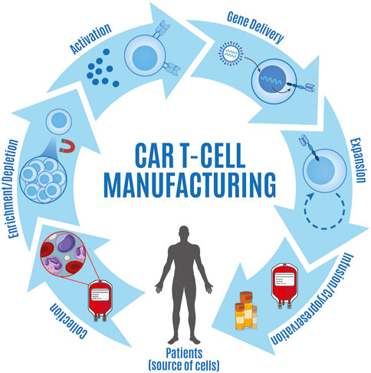
    CAR T Cell Manufacturing Diagram

    Mechanized Bioreactor’s design space…

    It's choice, not chance, that determines your destiny

    The G-Rex is the most scalable, flexible, adaptable, versatile, and commercially viable platform for developers of cell & gene therapies. Your success or failure begins with choices you make early.  Choose wisely.

    G-Rex®

    (Good Design Space)

    Cash Time Clinical Data

    Mechanized Bioreactor

    (Poor Design Space)

    Cash Time Clinical Data

    Are you ready to scale?

    Let’s talk more about how ScaleReady can advance your cell and gene therapy research and manufacturing with ingenious efficiency.

    Take the linear path of least resistance in CGT drug development

    Take the linear path of least resistance in CGT drug development

    Share

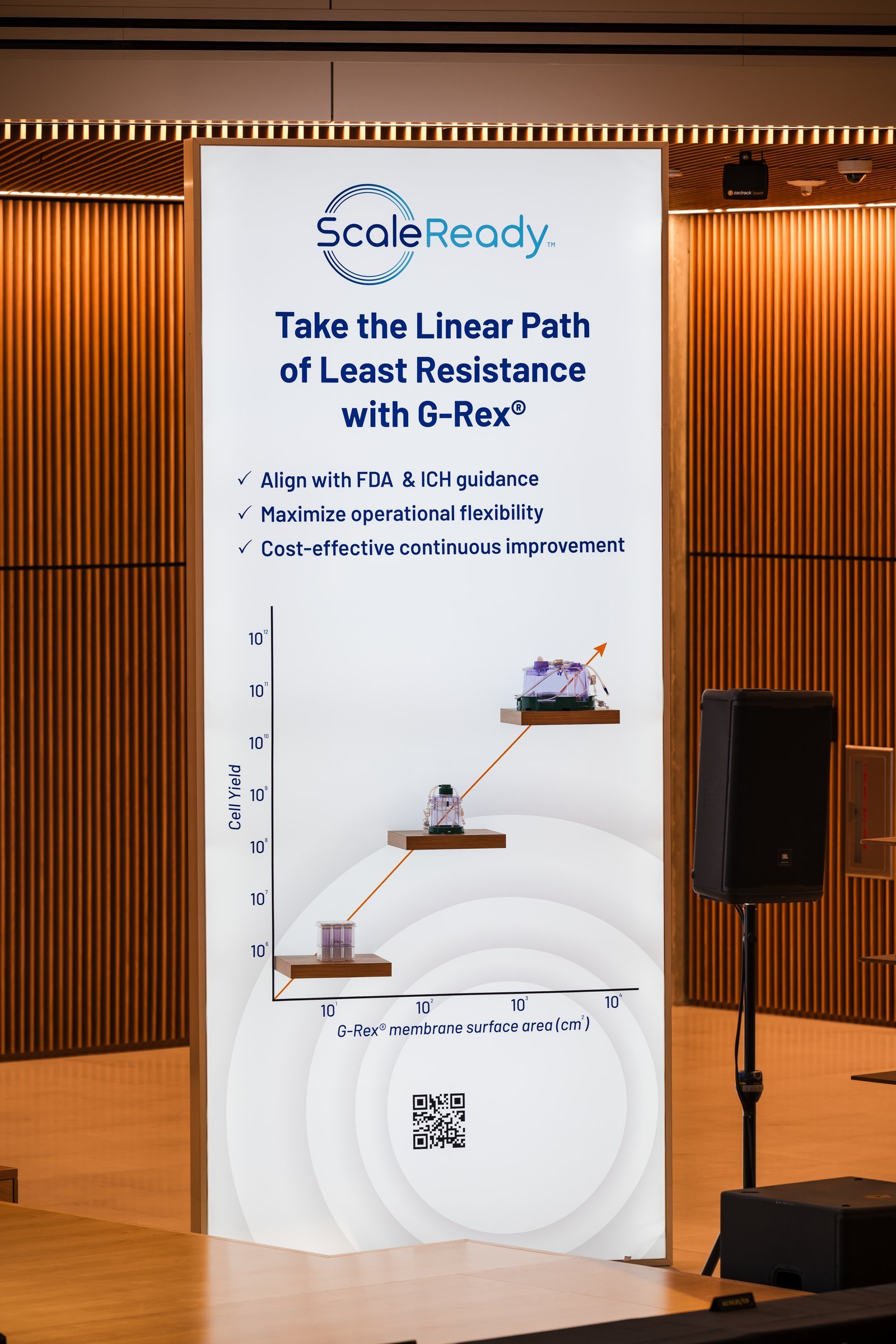
    Linear (or logarithmic) scalability is a core feature and advantage of the G-Rex® technology.

    G-Rex devices strategically maintain the same geometry (10mL/cm2) and materials (e.g. silicone membrane) across all devices, providing developers with a true platform that enables continuity across departments, functions, and scale.

    Linear scalability is first described by Bajgain et. al. (right) where it is demonstrated that yield, densities, fold expansions, and metabolite concentrations are comparable across varying G-Rex of small (5cm2), mid (100cm2), or large (500cm2) surface area.

    Expansion Phase - Responsive Interactive

    Panel (a)

    G-Rex5M

    G-Rex 5M

    G-Rex100M

    G-Rex 100M

    G-Rex500M

    G-Rex 500M

    The G-Rex is linearly scalable. Panel (a) shows schematic diagrams of the G-Rex5M, 100M, and 500M (to scale). Panel (c) shows the final cell density (cells/cm²) achieved in a G-Rex5M, G-Rex100M, and G-Rex500M after 12 days of culture. Panel (d) shows the expansion profile of K562 cells in three different G-Rex devices (G-Rex5M, 100M, and 500M) between days 0 and 12. Panel (d) shows the fold expansion of the cells cultured in G-Rex5M, 100M, and 500M devices. Panel (e) illustrates the glucose consumption by K562 cells cultured in G-Rex5M, G-Rex100M, and G-Rex500M over 13 days of culture.

    G-Rex offers CGT developers and manufacturer’s the widest design space in the industry – by far.

    G-Rex devices are linearly scalable from 2cm2 to 500cm2, enabling process and product continuity from an input as little as 1×10⁶ cells to an output of 209 cells.

    How does G-Rex's linear scalability coalesce with official CGT guidance?

    The FDA has previously provided guidance to preclinical developers of investigational cellular and gene therapy products (CGT) stating that “the investigational CGT product that will be administered to the patient population should be used in the definite preclinical studies“.

    G-Rex’s linear scalability enables preclinical developers to produce representative drug product at phase appropriate scale.

    Leveraging G-Rex’s linear scalability facilitates the most time and cost efficient preclinical development approach in accordance with the FDA guidance.

    FDA Guidance for Industry

    Preclinical Assessment of Investigational Cellular and Gene Therapy Products

    “When possible, the investigational CGT product that will be administered to the patient population should be used in the definitive preclinical studies.⁷”

    FDA Guidance for Industry

    Manufacturing Changes and Comparability for Human Cellular and Gene Therapy Products

    “To facilitate manufacturing changes during rapid clinical development, CGT product manufacturers should ensure that the pace of product development is aligned with the stage of clinical development. For example, if you initiate clinical studies using product generated by a manufacturing process designed with a potential for scalability, this will help decrease the likelihood of delays later in clinical development when the manufacturing process is scaled up.”

    FDA Draft Guidance on CMC changes and comparability studies also implies the importance linear scalability because it will “decrease the likelihood of delays…when the manufacturing process is scaled up“.

    True linear scalability enables drug developers to predictably oscillate between various scales, design expansive Design of Experiments (DoE), expeditiously generate comprehensive comparability data packages, and drive continuous improvement and efficient change management.
    The ICH Guideline on Pharmaceutical Development (Q8) describes the concept of a “design space” in early pharmaceutical development and how this can be leveraged for a flexible regulatory and CMC strategy.

    Describing “the relationship between process inputs and the critical quality attributes” requires robust process understanding. Leveraging G-Rex’s linear scalability to set up many small-scale predictive replicates is the most time/cost efficient approach to defining the design space – the first step in pharmaceutical development.

    Moreover, the ICH explicitly states that “Scaling factors can also be included if the design space is intended to span multiple operational scales” and that “applicants should consider the type of operational flexibility desired [when describing a design space]”

    Operational flexibility is a must when developing and manufacturing CGT drug product and G-Rex’s linear scalability is a critical enabler in this area.

    ICH HARMONISED TRIPARTITE GUIDELINE

    PHARMACEUTICAL DEVELOPMENT

    Código: Q8(R2)
    Versión: Current Step 4 version dated August 2009

    2.4 Design Space
    The relationship between the process inputs (material attributes and process parameters) and the critical quality attributes can be described in the design space (see examples in Appendix 2).
    A design space can be described in terms of ranges of material attributes and process parameters, or through more complex mathematical relationships. It is possible to describe a design space as a time dependent function (e.g., temperature and pressure cycle of a lyophilisation cycle), or as a combination of variables such as components of a multivariate model. Scaling factors can also be included if the design space is intended to span multiple operational scales. Analysis of historical data can contribute to the establishment of a design space. Regardless of how a design space is developed, it is expected that operation within the design space will result in a product meeting the defined quality.
    The applicant can choose to establish independent design spaces for one or more unit operations, or to establish a single design space that spans multiple operations. While a separate design space for each unit operation is often simpler to develop, a design space that spans the entire process can provide more operational flexibility. For example, in the case of a drug product that undergoes degradation in solution before lyophilisation, the design space to control the extent of degradation (e.g., concentration, time, temperature) could be expressed for each unit operation or as a sum over all unit operations.
    When describing a design space, the applicant should consider the type of operational flexibility desired. A design space can be developed at any scale. The applicant should justify the relevance of a design space developed at small or pilot scale to the proposed production scale manufacturing process and discuss the potential risks in the scale-up operation.
    If the applicant proposes the design space to be applicable to multiple operational scales, the design space should be described in terms of relevant scale-independent parameters. For example, if a product was determined to be shear sensitive in a mixing operation, the design space could include shear rate, rather than agitation rate. Dimensionless numbers and/or models for scaling can be included as part of the design space description.

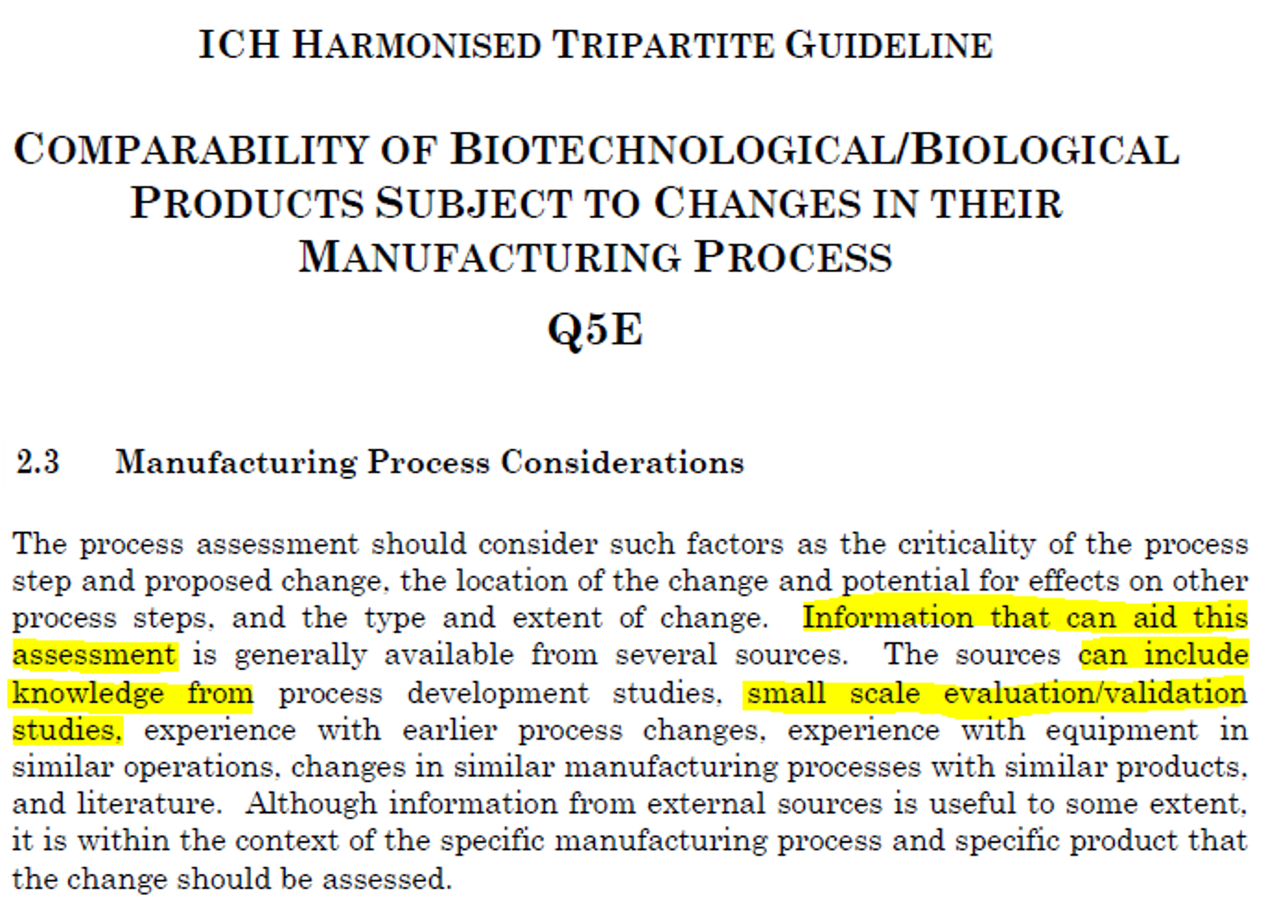
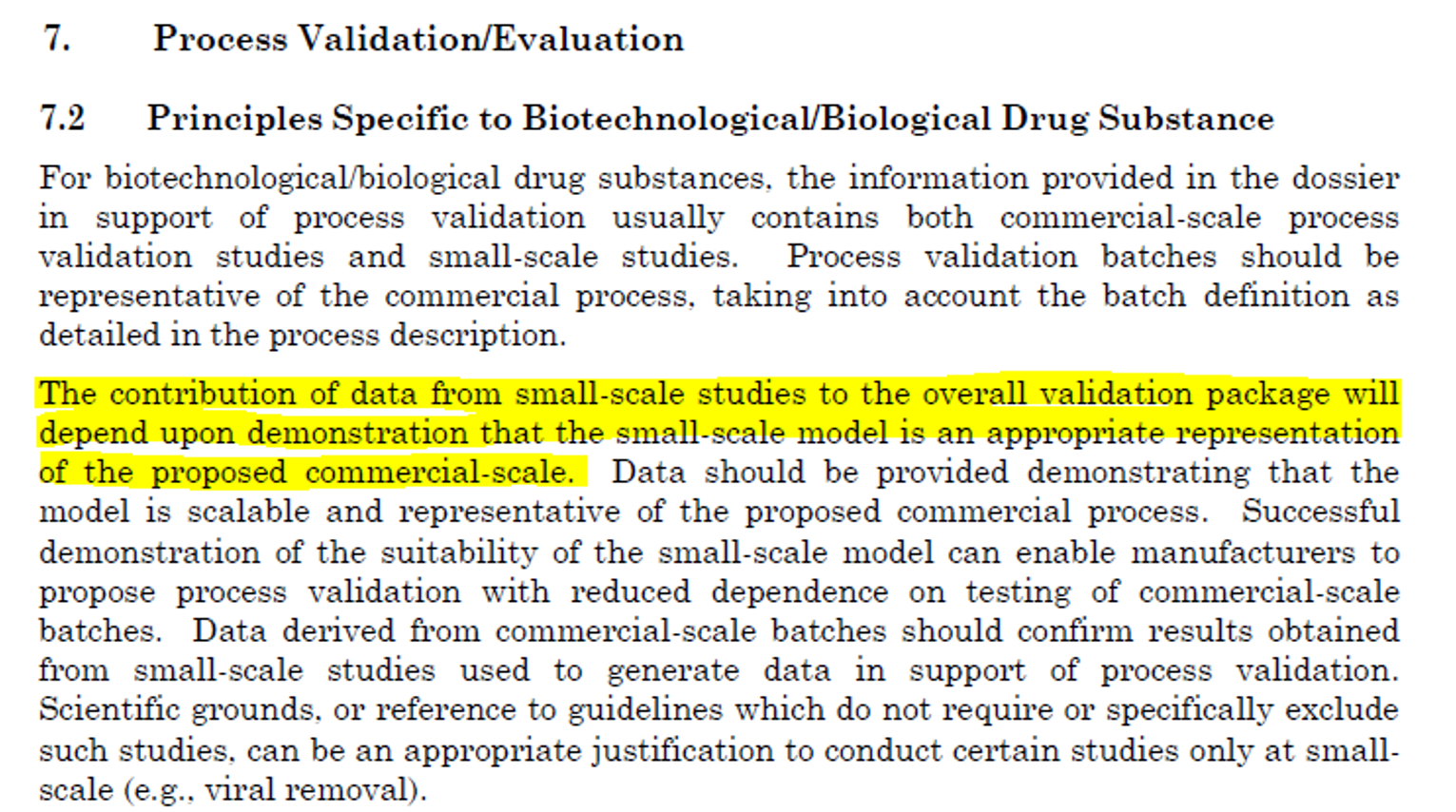
    The ICH Q5E on Comparability & Manufacturing Changes is explicit that “knowledge from…small-scale evaluation/validation studies” can be included as information to aid in the assessment of comparability.

    Moreover, a “Qualified Reduced Scale Model” has been accepted by the regulatory agencies as a tool used in expansive Design of Experiments (DoE) such as those found in formal comparability studies.

    The ability to scale down 1/10th, 1/20th, or 1/50th and run multi-variate experiments with predictability to clinical or commercial scale is fundamental advantage of G-Rex and a necessary tool for expeditious development and continuous improvement that all CGT sponsors need to have.

    Comparability of biotechnological/biological products subject to changes in their manufacturing process
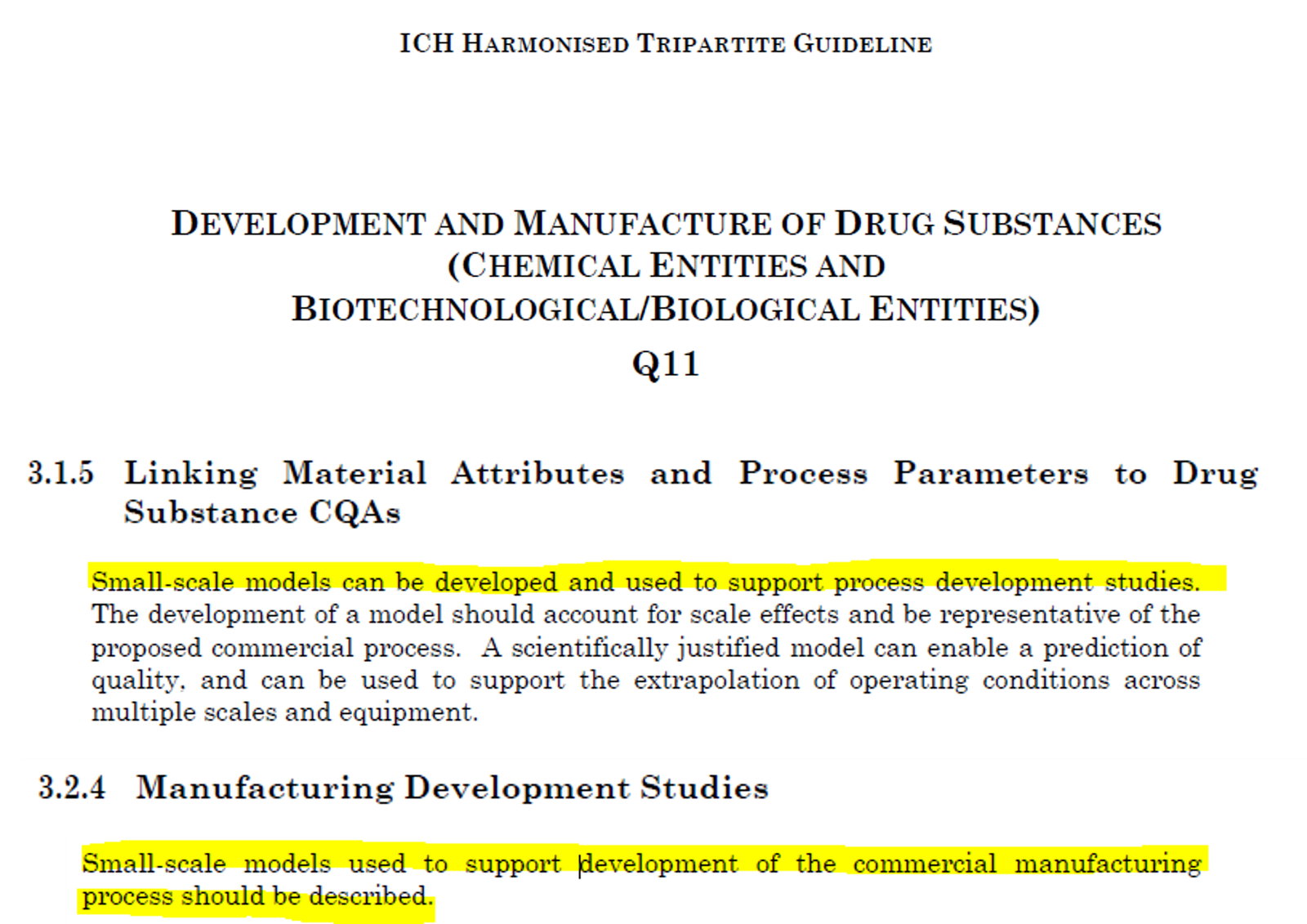
    Development and Manufacture of Drug Substances
    Principles Specific to Biotechnological/Biological Drug Substance

    The ICH Q11 for late-stage pharmaceutical development mentions multiple times that small-scale models can be used to support the development and validation of commercial processes.

    G-Rex is the only technology that comes with a linearly scalable design space capable of generating comparable drug product at logarithmically increasing scale.

    A close read of the ICH documents makes it clear that the advantage of G-Rex’s linear scalability can and should be leveraged by CGT sponsors at all stages development:

    Are you ready to scale?

    Let’s talk more about how ScaleReady can advance your cell and gene therapy research and manufacturing with ingenious efficiency.

    G-Rex Grant Program

    The G-Rex Grant Program is a transformational initiative undertaken by ScaleReady, in collaboration with Wilson Wolf, Bio-techne, and CellReady, to benefit the cell & gene therapy community in the following ways: 

    • Enhancing company valuation by expediting and cost reducing the path to meaningful clinical data.
    • Quickly and inexpensively implement an optimized G-Rex® centric manufacturing platform that is suitable for each stage of the path to commercial drug production.
    • Establishing a seamless link, via G-Rex® platform continuity, between the research labs, process development labs, and the GMP manufacturing center to enable faster translation of new therapies into the clinic.
    • Increasing patient access to cell and gene modified cell therapies by making significant reductions in process complexity.
    • Increasing the value of academic institution’s technology by allowing licensor’s to save valuable time and money by inheriting an expeditious pathway to clinical inflection points.

    The G-Rex® Grant Program is a $42,000,000 initiative undertaken by ScaleReady, in collaboration with Wilson Wolf, Bio-Techne, and CellReady to benefit the cell and gene-modified cell therapy community.  

    The G-Rex® Grant Program is unique and unlike any other grant program. G-Rex® Grant Recipients will not be burdened with inflexible timelines, bureaucratic constraints, micromanagement, or invasive oversight.

    The G-Rex® Grant Program is intended to be simple, flexible, and easily accessible from initiation through completion. The G-Rex® Grant Program will be successful due to a partnership based on mutual trust, respect, and understanding.

    The purpose of the G-Rex® Grant Program is to provide interested academic and commercial institutions engaged in pre-clinical research, process development, and/or cGMP manufacture of cell and gene-modified cell therapies (the “Recipient”) with the devices, reagents, and operational know-how to:

    1. Implement a highly efficient G-Rex® based cell manufacturing platform and/or
    2. Optimize an existing G-Rex® based cell manufacturing platform quickly and at low cost.

    The G-Rex® Grant will provide each Recipient between $5,000 and $300,000 worth of materials and services, along with free consulting support from ScaleReady G-Rex® Optimization Specialists, for up to 18-months* (the “Collaboration Period”) to any academic or commercial institution that meets the criteria outlined below. The duration of the Collaboration Period may be extended upon mutual agreement by the parties.

    At the onset of the G-Rex® Grant Program:

    • ScaleReady will work collaboratively with the Recipient during a series of discovery sessions to create a thorough understanding of the Recipient’s goals.ScaleReady will interact with Wilson Wolf, Bio-Techne, CellReady and the Recipient to orchestrate a G-Rex® Grant Program Plan that aims to achieve the Recipient’s goals.

    Under the G-Rex® Grant Program, ScaleReady will provide the most appropriate combination of devices, reagents, and consulting support as follows:

    • Wilson Wolf
      • G-Rex® devices including G-Rex® well plates, G-Rex® bioreactors (including closed system models), and the GatheRex® Cell Harvest Pump
      • G-Rex® ancillary products
    • Bio-Techne
      • RUO and GMP Reagents
      • RUO and GMP cell culture media
      • TcBuster® non-viral (transposition) gene editing technology
    • ScaleReady
      • G-Rex® Optimization Services
      • Technical Application Support
      • Marketing Support
    • CellReady
      • Process Development and Manufacturing Services and Consultation

    During the Collaboration Period, the G-Rex® Grant Recipient and ScaleReady will work together to meet the Recipient’s program goals, which will typically include creating a process and data package sufficient:

    • To be included in the CMC section of an applicable IND(s), or
    • Used to support further research or collaborative efforts in the Recipient institution.

    To be eligible for the G-Rex® Grant Program, a Recipient must satisfy the following criteria:

    • Be engaged in research and development of cell and gene-modified cell therapies based on or derived from T cells, NK cells, HSCs, or the like.
    • Be working towards, or have, an existing Investigational New Drug (IND) application.
    • Be interested in quickly establishing an optimized cGMP manufacturing process at low cost with minimal investment required.

    The Application and Award Process:

    The application process for a G-Rex® Grant is intended to be very easy and will be initiated by a simple form that will lead to a deeper dialogue with ScaleReady to help hone the application to a form suitable for receipt of a G-Rex® Grant.

    G-Rex® Grants will be awarded to applicants that provide ScaleReady with:

    • A compelling overview of why a G-Rex® Grant would be beneficial.
    • A strong willingness to interact with ScaleReady to achieve program goals.
    • Confidence that the recipient has wherewithal in program management.
    • The collaborative nature of the applicant.
      Provision of a well understood set of G-Rex® Grant deliverables
    Once a G-Rex® Grant is Approved:
    Upon G-Rex® Grant approval, ScaleReady will provide a high-level Non-Binding Memorandum of Understanding to the Recipient indicating the loosely agreed upon goals, estimated timelines, deliverables, actions, and respective responsibilities that were identified in the discovery phase.
    Of importance, the Non-Binding Memorandum of Understanding is a guideline document only
    The relationship between a G-Rex® Grant Recipient and ScaleReady is based entirely on mutual trust and understanding that flexibility will be needed to reach the Recipient’s program goals.
    During the Collaboration Period, the Recipient and ScaleReady will work openly and collaboratively to achieve the mutually agreed upon outcomes of the G-Rex® Grant.

    Once a G-Rex® Grant is Approved:

    Upon G-Rex® Grant approval, ScaleReady will provide a high-level Non-Binding Memorandum of Understanding to the Recipient indicating the loosely agreed upon goals, estimated timelines, deliverables, actions, and respective responsibilities that were identified in the discovery phase.

    • Of importance, the Non-Binding Memorandum of Understanding is a guideline document only
    • The relationship between a G-Rex® Grant Recipient and ScaleReady is based entirely on mutual trust and understanding that flexibility will be needed to reach the Recipient’s program goals.
    • During the Collaboration Period, the Recipient and ScaleReady will work openly and collaboratively to achieve the mutually agreed upon outcomes of the G-Rex® Grant.

    ScaleReady has enlisted a legion of like-minded collaborators to bring additional value to help our G-Rex® Grant Recipients save time and money. All G-Rex® Grant Recipients will be provided a catalogue of exclusive offers from our official G-Rex® Grant Partners.

    Exclusive offer on the ExPERT GTx ^TM Electroporation Instrument

    Benefit to G-Rex User: The ExPERT GTx ^TM Electroporation Instrument can maintain a fully closed and sterile fluid path to G-Rex bioreactors, streamlining the drug substance’s (DS) flow through the non-viral assembly line.  Like G-Rex, the ExPERT GTx ^TM Electroporation Instrument is used in commercial of FDA approved

    Special pricing on Thermo Scientific™ Heracell™ VIOS™ 250i and Thermo Scientific™ CultiMaxx™ Shelving.

    Benefit to G-Rex User: Advanced incubators, tailormade for high yield, high quality G-Rex based production  of cell and gene-modified cell therapies.

    Exclusive discount on GMP lentiviral vector


    Benefit to G-Rex User:

    Exclusive savings on MARS® Bar

    Exclusive discounts on RUO and GMP buoyancy, flotation-based microbuble technology for beadless cell positive or negative T cell selection.

    Exclusive savings on starting material such as fresh leukopaks, cryopreserved human PBMCs, and more.

    Exclusive savings on RUO and GMP AllCells(R) Fresh Leukopaks, Fresh Mobilized Leukopaks, and Fresh Bone Marrow

    Exclusive offer on software tailored for cell & gene therapy quality assurance, quality control, manufacturing, and inventory management.

    Exclusive offers on RUO and GMP plasmids DNA, Nanoplasmid ^TM vectors, and proteins (nucleases and enzymes).

    Coming soon!

    Coming Soon!

    G-Rex 500M

    Exclusive Partner Offers for Grant Recipients

    If you’ve been awarded a G-Rex® Grant, you can redeem exclusive partner discounts and resources using the redemption form.

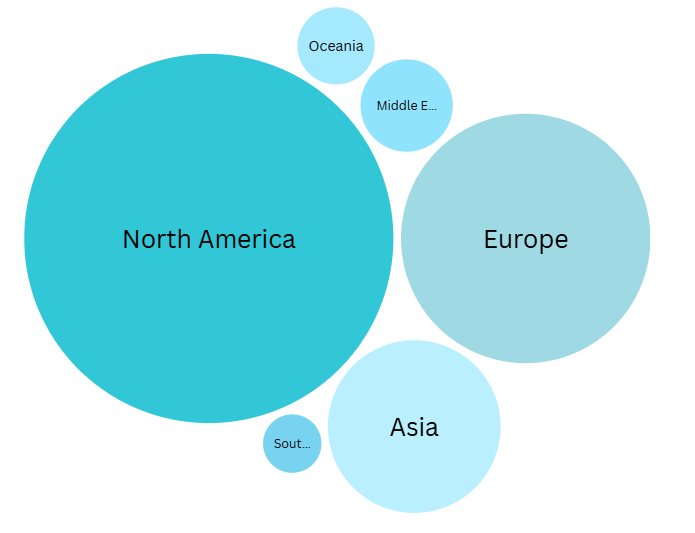
    G-Rex Grant Program Impact Stats

    Grants Awarded
    0
    Total Grant Funds ($)
    0
    IND's Impacted
    0
    By Cell Type
    CAR-T (40%)
    Natural Killer (NK) (20%)
    TIL (20%)
    HSC (CD34+) (5%)
    Regulatory T cells (5%)
    Gamma Delta T cells (5%)
    Other (5%)
    By Geography
    By Deliverable

    G-Rex Grant Recipients in the news...

    G-Rex Grant Tour 2026

    The G-Rex Grant Program has resulted in a powerful coalition of individuals and organizations working to bring hope to cancer and autiommune patients through adoptive cell and gene therapy. In 2026, ScaleReady and the Emily Whitehead Foundation will co-produce a series of events to:

    • Rally, foster, and invest in the local cell & gene therapy community in North America
    • Promote transparency and collaboration among like-minded individuals and organizations working towards a common goal
    • Catalyze scientific and clinical progress through a shared sense of duty to the patients we all serve
    • Spotlight the breadth of diverse innovative cell and gene therapy approaches
    Learn more about the G-Rex Grant Tour

    G-Rex – The simplest, most scalable, and most cost effective CGT production technology

    G-Rex – The simplest, most scalable, and most cost effective CGT production technology

    Share

    Core Technology Overview

    G-Rex’s (gas permeable, rapid expansion) core technology can be understood in three simple concepts:

    Expansion Phase - Responsive Interactive
    10mL
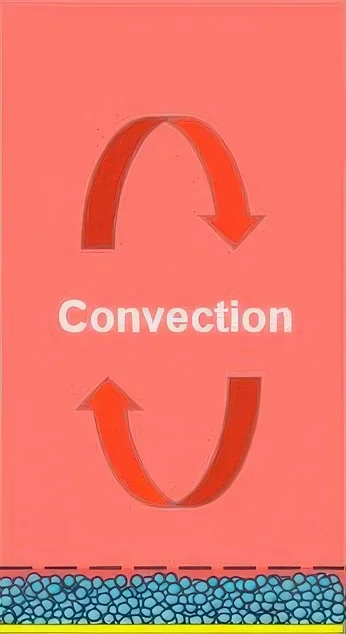
    Convection

    Zone of Convection

    • Convection provides cells with nutrients on demand
    • No mixing or perfusion needed
    • Easily sample media for indicators of cell quantity

    Zone of Diffusion

    • 300 µm Boundary Layer of Diffusion
    • Ideal for cell-to-cell communication
    • Allows cells to reside in a large volume of media to eliminate additional feeding

    Gas Permeable Membrane

    • Provides cells with optimal gas exchange at all times

    The combination of these basic elements confer the following benefits:

    G-Rex is the only technology that does not require mechanized nutrient or oxygen delivery and does not require custom pH and temperature control.

    Moreover, the simplicity of the G-Rex confers the following advantages:

    The result?

    A revolutionary technology used by over 1,000 organizations doing CGT research & discovery, preclinical and clinical development, and commercial production of five (5) approved drug products (including the world’s most financially successful and most commercially scalable CGT drug product). Visit our Knowledge Center to browse hundreds of peer-reviewed manuscripts related to all forms of CGT modalities including CAR/TCR-T cells, Natural Killer (NK) cells, Tumor Infiltrating Lymphocytes (TIL), regulatory T cells (Treg), gamma delta T cells, virus- and tumor antigen-specific T cells, hematopoietic stem cells (HSC), and more!

    G-Rex Membrane

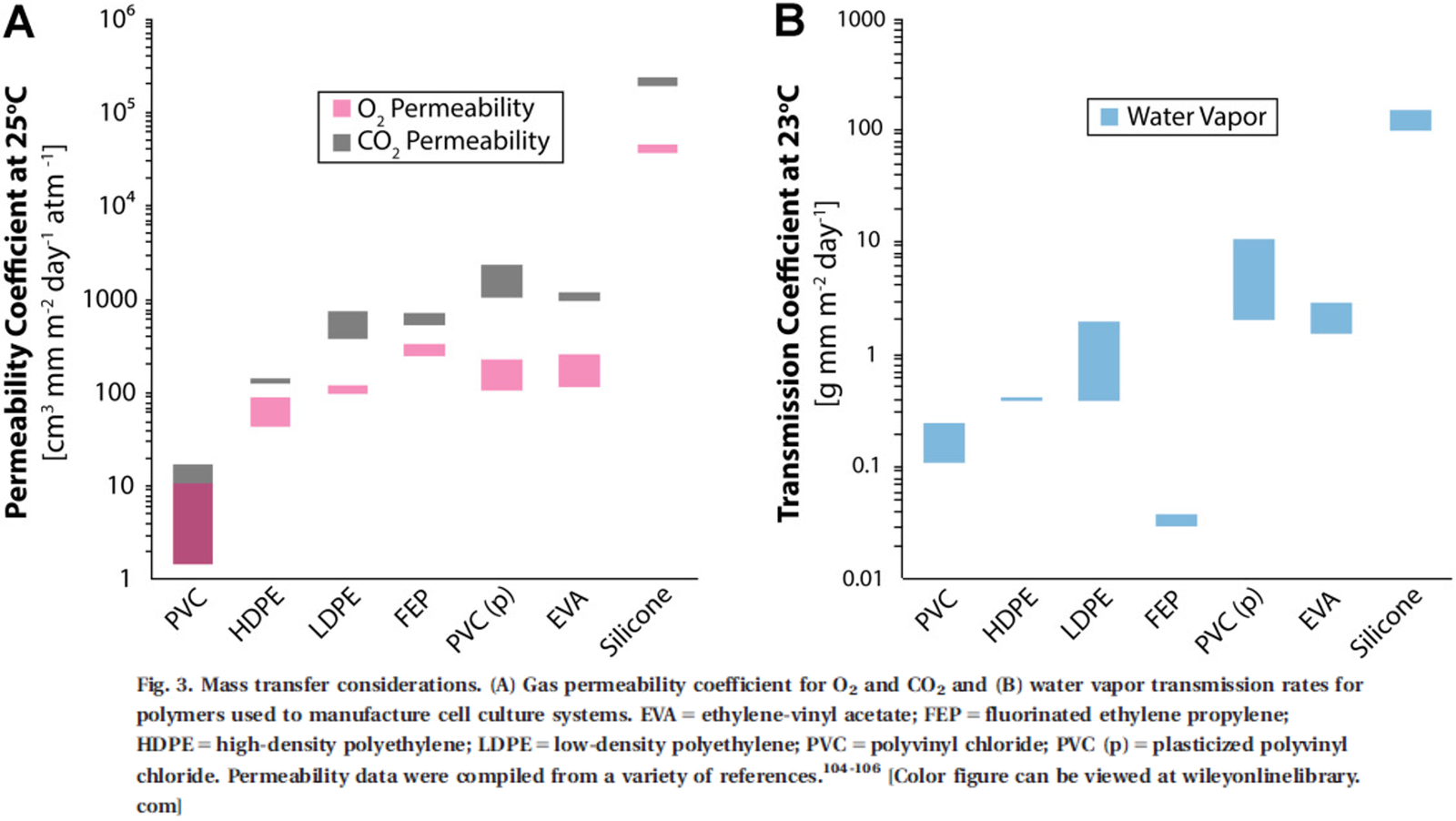
    The G-Rex membrane is made from a USP Class IV silicone elastomer which has been shown to be several orders of magnitude more permeable to O2 & CO2 than the material from which gas-permeable bags are made (FEP).

    The G-Rex membrane is not plasma-charged or texturized and naturally supports suspension culture. It has been previously demonstrated that coating materials such as RetroNectin can be applied to the membrane to enhance unit operations such as T cell activation (via immobilization of activating antibodies) and T cell transduction.

    Fekete, N., Béland, A. V., Campbell, K., Clark, S. L., & Hoesli, C. A. (2018). Bags versus flasks: A comparison of cell culture systems for the production of dendritic cell–based immunotherapies. Transfusion, 58(7), 1800–1813. https://doi.org/10.1111/trf.14621

    Is the G-Rex membrane impermeable to adventitious agents (bacteria, virus, etc.)?
    Yes, Wilson Wolf has validated through microbial ingress and viral penetration tests that the G-Rex membrane is impermeable to adventitious agents. The membrane’s impermeability to adventitious agents is core to the closed system G-Rex validation package.  It is also what enables the G-Rex to integrate all core CAR/TCR T cell therapy unit operations: Separation, Activation, Transduction, Expansion, and Concentration.
    Yes, all G-Rex devices are subjected to a highly sensitive pressure decay testing prior to sterilization and shipment. The pressure decay testing is a sophisticated method that ensures no defective G-Rex are shipped to customers.
    Yes, the same G-Rex membrane is used across all device formats (well plates & bioreactors), sizes (2cm2 to 500cm2), and grades (RUO and GMP). Material continuity is critical to maintaining the linear scalability of the G-Rex platform – a core feature and advantage of G-Rex.

    Zone of Diffusion (Boundary Layer)

    In physics and fluid mechanics, a boundary layer is the thin layer of fluid in the immediate vicinity of a bounding surface formed by the fluid flowing along the surface.  The fluid’s interaction with the wall induces a no-slip boundary condition (zero velocity at the wall).  The flow velocity then monotonicaly increases above the surface until it returns to the bulk flow velocity. The thin layer consisting of fluid whose velocity has not yet returned to the bulk flow velocity is called the velocity boundary layer.

    Scanning electron microscopy images have demonstrated that the G-Rex’s boundary layer is approximately 300 microns in height above the silicone and this is the area where the cells grow within. Thus, the size of the cell being grown will determine how many cells can be grown on a per cm^2 basis. 

    CELL TYPEDIAMETERMAX DENSITY
    T cells DIAMETER 8-9um MAX DENSITY 30-40M cells/cm²
    NK cells DIAMETER 8-9um MAX DENSITY 30-40M cells/cm²
    k562 DIAMETER 17-22um MAX DENSITY 12-15M cells/cm²
    Hybridoma DIAMETER 11-13um MAX DENSITY 15-16M cells/cm²
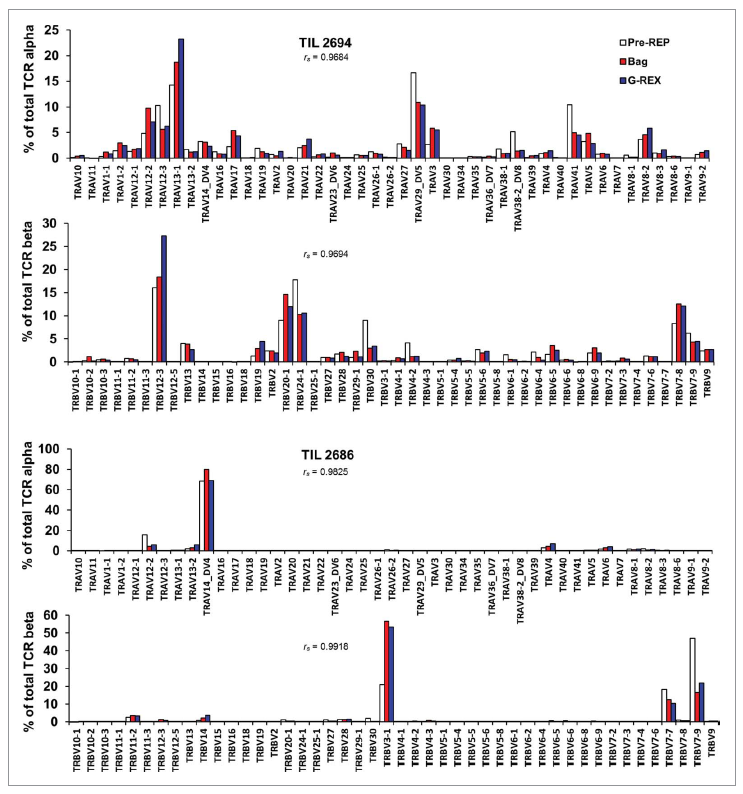
    Does the G-Rex maintain polyclonality of cells as they grow within the Boundary Layer?

    Yes, it has been demonstrated that polyclonality is maintained and that cells expanding with the oxygen & nutrient rich boundary layer maintain clonal diversity.

    This is of particular importance to developers of Tumor Infiltrating Lymphocyte (TIL) therapies where clonal diversity is an asset.

    Forget, M.-A., Haymaker, C., Dennison, J. B., Toth, C., Maiti, S., Fulbright, O. J., Cooper, L. J., Hwu, P., Radvanyi, L. G., & Bernatchez, C. (2015). The beneficial effects of a gas-permeable flask for expansion of tumor-infiltrating lymphocytes as reflected in their mitochondrial function and respiration capacity. OncoImmunology5(2). https://doi.org/10.1080/2162402x.2015.1057386

    A core benefit of static culture is that there is extensive cell-to-cell contact and any secreted factors essential to cell expansion will exist as gradients, with the highest concentration surrounding the cells.

    Contrast this with perfusion systems, such as WAVE, where any secreted factors will be diluted by the continual perfusion while the constant motion will reduce the overall time the cells spend in contact with each other.

    Somerville, R. P., Devillier, L., Parkhurst, M. R., Rosenberg, S. A., & Dudley, M. E. (2012). Clinical scale rapid expansion of lymphocytes for adoptive cell transfer therapy in the WAVE® bioreactor. Journal of Translational Medicine, 10(1). https://doi.org/10.1186/1479-5876-10-69

    The highly oxygenated, nutrient rich, and no-sheer boundary layer confers the following benefits:

    Because the Boundary Layer is a fixed 300um zone, it also results in predictable yields despite variable starting material quantity (and quality).

    (1) Forget, M.-A., Haymaker, C., Dennison, J. B., Toth, C., Maiti, S., Fulbright, O. J., Cooper, L. J., Hwu, P., Radvanyi, L. G., & Bernatchez, C. (2015). The beneficial effects of a gas-permeable flask for expansion of tumor-infiltrating lymphocytes as reflected in their mitochondrial function and respiration capacity. OncoImmunology, 5(2). https://doi.org/10.1080/2162402x.2015.1057386

    (2) Vera JF, Brenner LJ, Gerdemann U, Ngo MC, Sili U, Liu H, Wilson J, Dotti G, Heslop HE, Leen AM, Rooney CM. Accelerated production of antigen-specific T cells for preclinical and clinical applications using gas-permeable rapid expansion cultureware (G-Rex). J Immunother. 2010 Apr;33(3):305-15. doi: 10.1097/CJI.0b013e3181c0c3cb. PMID: 20445351; PMCID: PMC2946348.

    (3) Hannah W. Song, Michaela Prochazkova, Lipei Shao,Roshini Traynor, Sarah Underwood, Mary Black, Vicki Fellowes, Rongye Shi, Marie Pouzolles, Hsien-Chao Chou, Adam T. Cheuk, Naomi Taylor, Ping Jin, Robert P. Somerville, David F. Stroncek, Javed Khan, Steven L. Highfill, CAR-T cell expansion platforms yield distinct T cell differentiation states, Cytotherapy (2024), doi; https://doi.org/10.1016/j.jcyt.2024.03.003
    (4) Pisani, I., Melita, G., de Souza, P. B., Galimberti, S., Savino, A. M., Sarno, J., Landoni, B., Crippa, S., Gotti, E., Cuofano, C., Pedrini, O., Capelli, C., Matera, G., Belotti, D., Cesana, S., Cabiati, B., Quaroni, M., Colombo, V., Mazza, M., … Tettamanti, S. (2025a). Optimized GMP-grade production of non-viral sleeping beauty-generated carcik cells for enhanced fitness and clinical scalability. Journal of Translational Medicine, 23(1). https://doi.org/10.1186/s12967-025-06416-3

    Zone of Natural Convection

    The G-Rex is unique in its ability to support cell cultures with large media volumes in a static environment without resorting to mechanical agitation. This phenomenon is likely caused by a thermal differential between the heat source (the incubator) and the medium. Therefore, due to convection, warmer medium adjacent to the walls of the G-Rex will move toward the core, displacing colder media to the periphery. This cycle is perpetuated, resulting in a homogenous mixing of the medium without disturbing the cells growing on the silicone membrane.

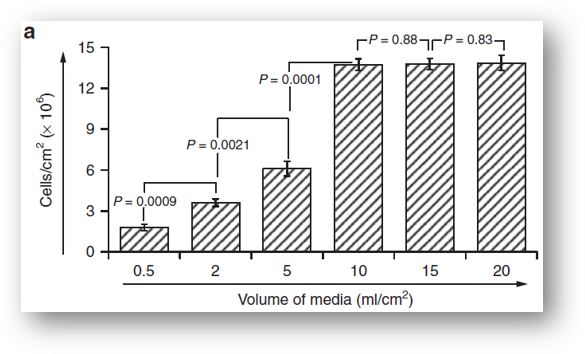
    The “golden ratio” of 10mL/cm2 was determined through media titration studies (Right) to be the least amount of media required to sustain a culture from a seeding density to maximum cell density without the need to exchange the culture media.

    10mL_cm2 geometry determination
    How do you know that the media is homogenous?
    If the media column was stagnant, then metabolite gradients would form as the cells expand, which is not what is observed. For example, as T cells expand they secrete lactate and the lactate concentration can be measured at the top, bottom, middle, and periphery of the G-Rex. If there was no convection, a lactate gradient would form with higher concentration of lactate at the bottom nearest the cells. Again, this is not what is observed.

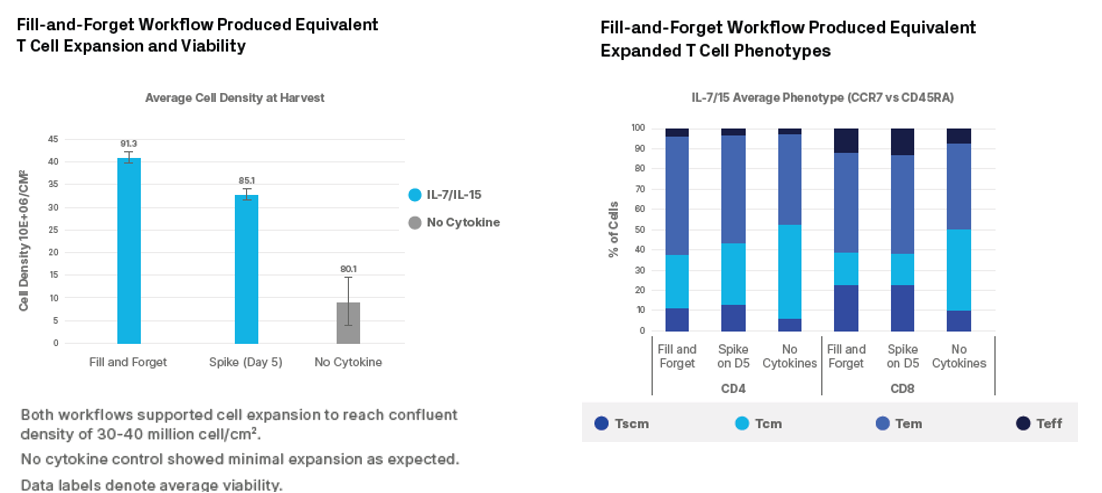
    No, there are several reasons why G-Rex production does not require intermittent supplementation of cytokines:

    The figure on the right shows the results of a “Fill and Forget” approach where T cells are allowed to expand undisturbed in the incubator for over 5 days.
    Fill-and-Forget workflow for T Cell expansion and viability

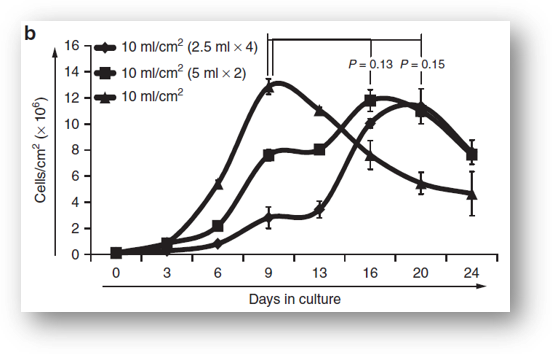
    Frontloading a bolus of media at the onset of expansion, and maximizing the size of the cells’ nutrient pool and waste sink,  has been demonstrated to yield better expansion kinetics.

    Moreover, this approach directly reduces labor, risk, and variability associated with unnecessary operator interventions.
    frontload media

    Forget, M.-A., Haymaker, C., Dennison, J. B., Toth, C., Maiti, S., Fulbright, O. J., Cooper, L. J., Hwu, P., Radvanyi, L. G., & Bernatchez, C. (2015). The beneficial effects of a gas-permeable flask for expansion of tumor-infiltrating lymphocytes as reflected in their mitochondrial function and respiration capacity. OncoImmunology5(2). https://doi.org/10.1080/2162402x.2015.1057386

    Are you ready to scale?

    Let’s talk more about how ScaleReady can advance your cell and gene therapy research and manufacturing with ingenious efficiency.

    1 2 3 4