G-Rex Grant Tour Icon

G-Rex® Grant Tour

Supporting the Emily Whitehead Foundation
SAN FRANCISCO

Location

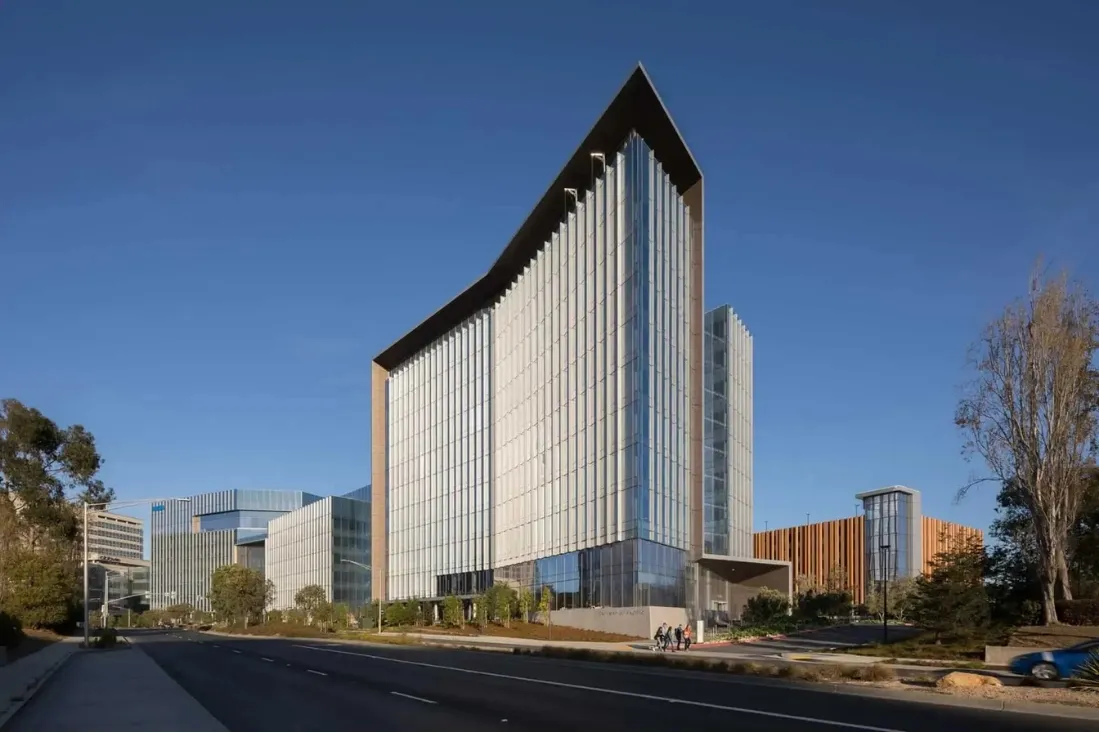
Forum @ Gateway of Pacific

Date

Friday, March 27, 2026
9:00AM-4:00PM

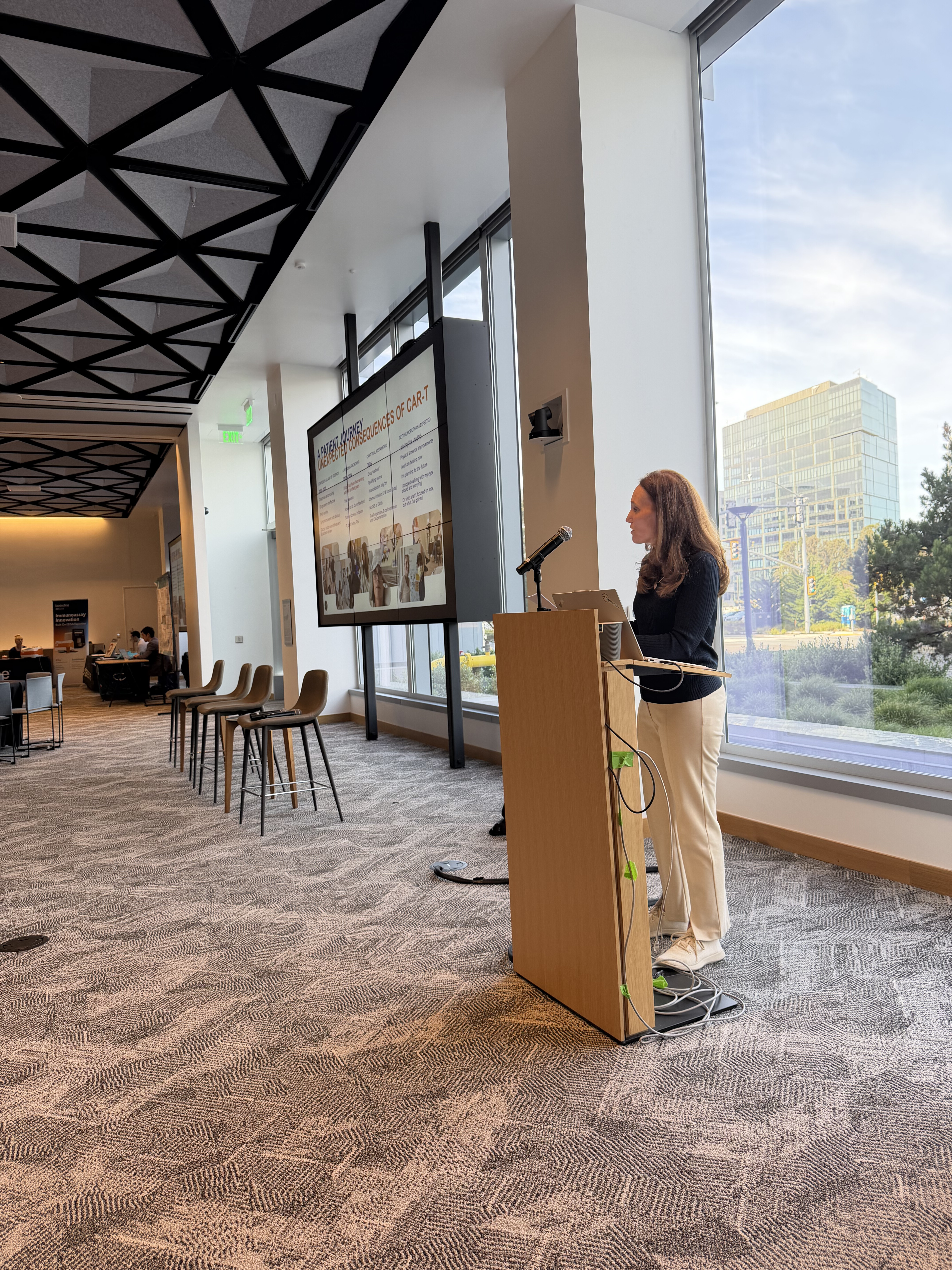
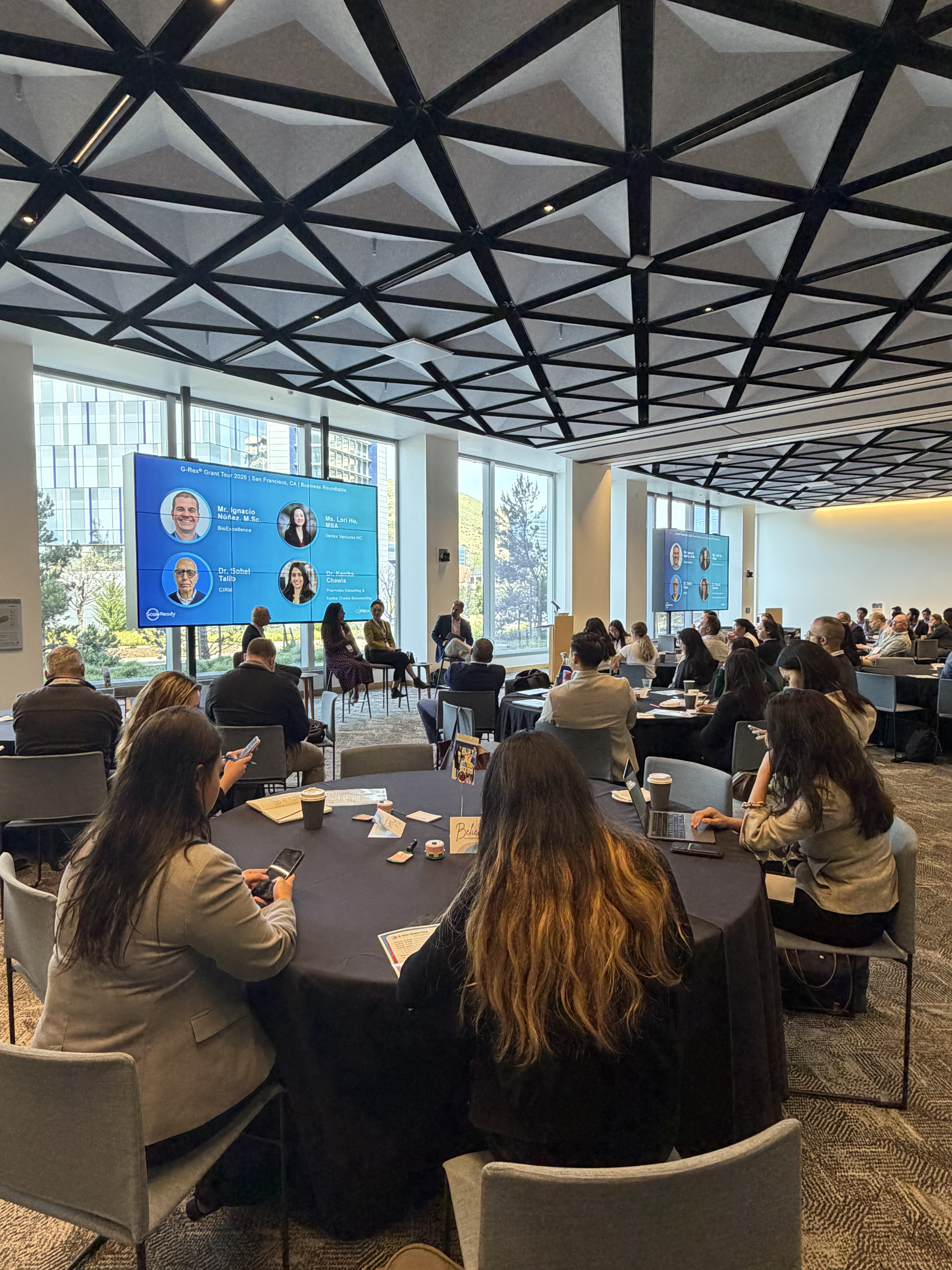
Hear from leaders bringing hope to patients through advanced cell & gene therapies

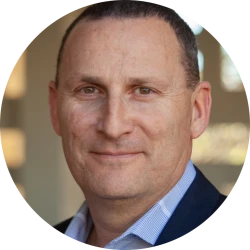
Dr. Steven A. Feldman

Meet Dr. Steven A. Feldman

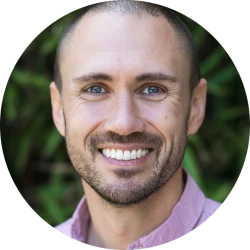
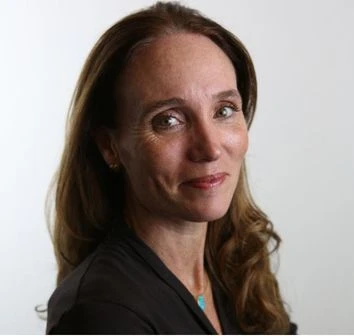
Dr. Steven A. Feldman is the Site Head and Scientific Director for Stanford’s Laboratory for Cell and Gene Medicine, Stanford’s GMP Manufacturing Facility, where he oversees the process development, technology transfer and manufacturing of novel cell and gene therapy products making their way to the clinic.

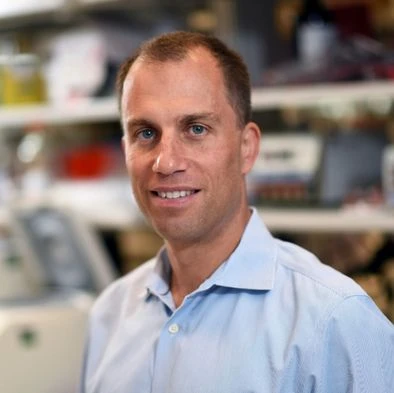
Meet Dr. Andras Attila Heczey

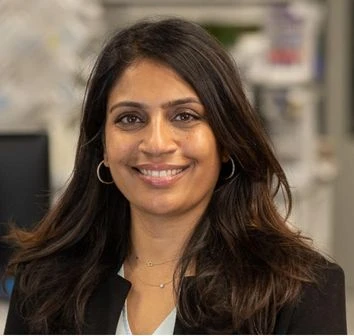
Andras Attila Heczey, M.D., is an Associate Professor in the Department of Pediatrics, Section of Pediatric Hematology and Oncology at Baylor College of Medicine in Houston, Texas, and a member of the Dan L Duncan Comprehensive Cancer Center. He is a physician-scientist and full-time faculty within the multidisciplinary solid tumor team and the Center for Cell and Gene Therapy (CAGT), where he develops next-generation cellular immunotherapies for pediatric and adult solid tumors. Dr. Heczey earned his M.D. from Semmelweis Medical University in Budapest, Hungary, and completed residency training at Children’s Hospital Los Angeles, followed by fellowship training at Baylor College of Medicine affiliate hospitals. Board certified in General Pediatrics and Pediatric Hematology and Oncology, he is an active member of ASCO, the Children’s Oncology Group, the American Society of Cell and Gene Therapy, and AACR. His research focuses on redirecting the immune system to recognize and eliminate cancer cells through engineered immune-cell platforms and synthetic immunology. He led the first adoptive immunotherapy approach using genetically modified Natural Killer T cells to target neuroblastoma, now evaluated in the GINAKIT2 Phase 1 clinical trial for children with relapsed or refractory high-risk disease. As Director of the Liver Tumor Center, he has advanced innovative strategies using genetically engineered T lymphocytes to treat hepatoblastoma and hepatocellular carcinoma, expanding these approaches across multiple solid cancers. Supported by major funding from CPRIT, the NIH, and ALSF, Dr. Heczey continues to advance cellular therapy programs aimed at delivering durable, curative responses for patients with solid tumors.
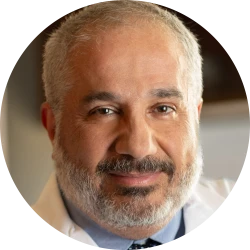
Dr Shahab Asgharzadeh

Meet Dr. Shahab Asgharzadeh

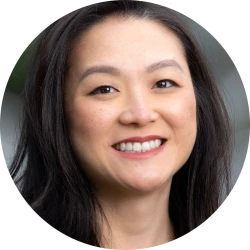
Shahab Asgharzadeh, MD, is a Professor of Pediatrics at the University of Southern California and a pediatric oncologist at Children’s Hospital Los Angeles (CHLA). He serves as Interim Research Director of CHLA’s Cancer and Blood Diseases Institute and leads both the Neuroblastoma Basic and Translational Research Program and the Spatial Biology & Sequencing Core at The Saban Research Institute. Dr. Asgharzadeh received his BS in Biomedical Engineering from Northwestern University and his MD from the University of Illinois. He completed pediatric residency training and a fellowship in clinical medical ethics at the University of Chicago, followed by fellowship training in pediatric hematology-oncology at CHLA. He has been recognized with multiple honors, including designation as a Top Doctor by Pasadena Magazine, the Walter Laug Distinguished Teaching Award, and the American Cancer Society’s Determination Award. Dr. Asgharzadeh’s research program focuses on elucidating the tumor microenvironment and developing novel immunotherapeutic strategies, including cellular therapies, for children with solid tumors and brain tumors. His laboratory was among the first to characterize tumor-associated macrophages in pediatric neuroblastoma and medulloblastoma, helping to reshape understanding of immune contributions to childhood cancer biology. His current work is directed toward engineering next-generation cellular therapies capable of overcoming the profoundly immunosuppressive environments of pediatric solid and brain tumors. In parallel, his group is advancing spatially resolved analyses of pediatric cancers as part of the National Cancer Institute’s Human Tumor Atlas Network consortium.

Meet Dr. Ross Wilson

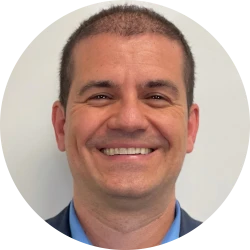
Ross Wilson, Ph.D., is a leading researcher in the field of genome editing. He currently serves as an Assistant Adjunct Professor in the Department of Molecular and Cell Biology at UC Berkeley and is the Director of Therapeutic Delivery at the Innovative Genomics Institute (IGI). Dr. Wilson’s work is primarily focused on overcoming the "delivery problem", the challenge of safely and effectively transporting genome-editing enzymes (like CRISPR-Cas9) into specific cells within the human body. Key aspects of his research include: - Cell-Targeted Delivery: Engineering CRISPR enzymes to facilitate targeted delivery to specific tissues or organs, such as the liver, the brain, and immune cells (T cells). - In Vivo Therapeutics: Developing methods for "in vivo" editing (inside the body) to replace more complex "ex vivo" procedures, with the goal of making genetic medicines more accessible and affordable. - Molecular Engineering: Utilizing protein and RNA engineering to create self-contained delivery vectors that can navigate biological barriers like the endosome. Dr. Wilson earned his B.S. and Ph.D. in Biochemistry from The Ohio State University. Before establishing his own lab, he conducted postdoctoral research in the laboratory of Nobel Laureate Jennifer Doudna at UC Berkeley, where he studied the biogenesis of microRNAs and the structural biology of RNA-protein complexes. His lab at the IGI was initially launched through a unique collaboration with Pfizer, reflecting his long-standing interest in bridging the gap between fundamental academic research and direct medical applications. Beyond his technical research, Dr. Wilson is a vocal advocate for the democratization of genetic medicine, publishing and speaking on the economics and accessibility of CRISPR-based therapies.

Meet Dr. Ramya Tunuguntla

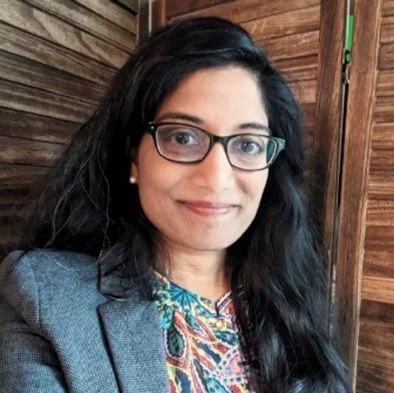
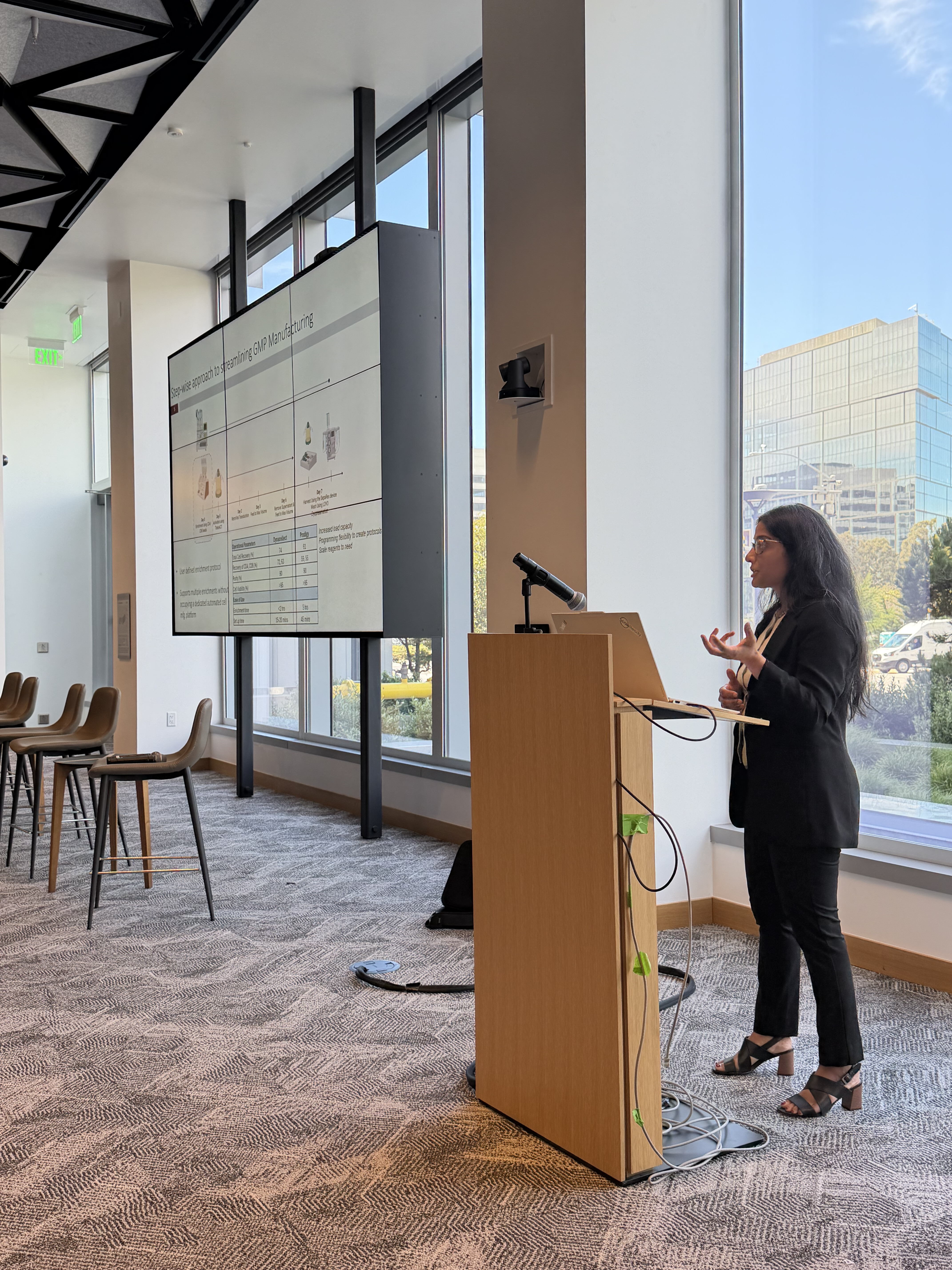
Ramya Tunuguntla, PhD, is the Director of Process Development and Manufacturing at the Stanford Medicine Center for Cancer Cell Therapy and a leading scientist in cell and gene therapy manufacturing. Trained as a bioengineer and nanomaterials scientist, she has over 12 years of experience developing innovative biomaterials-based and cellular therapy platforms for cancer treatment. Prior to Stanford, Dr. Tunuguntla held leadership roles at PACT Pharma and served as a Materials Research Scientist at Lawrence Livermore National Laboratory, where her work on artificial membrane channels helped bridge biology, nanomaterials, and electronics. Her current research spans non-viral CRISPR-based electroporation platforms, nanoparticle library screening to identify patient-specific neoepitopes, and the integration of manufacturing innovation with clinical outcomes. At Stanford, she leads early process development and large-scale GMP manufacturing of engineered T-cell therapies, including investigator-initiated Phase I CAR-T trials, with a focus on closed-system, scalable, and clinically translatable workflows.

Meet Dr. Ke Li

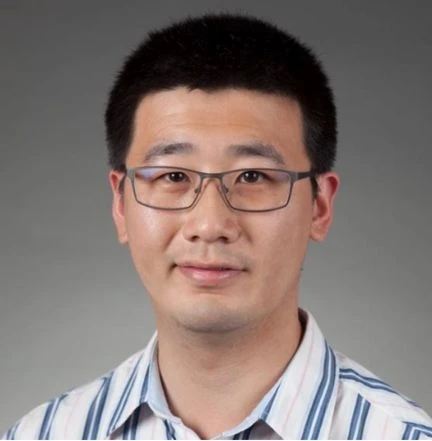
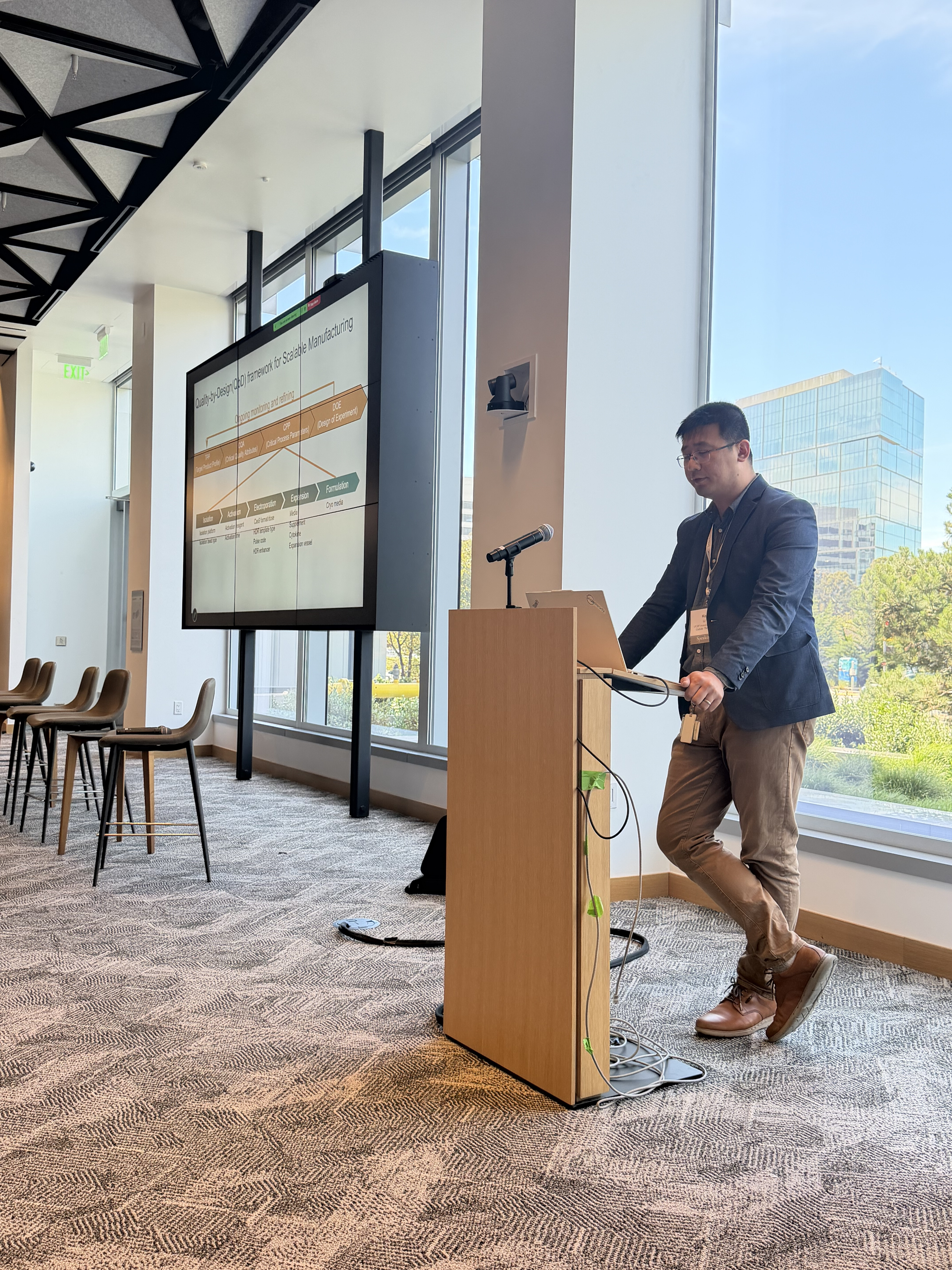
Dr. Ke Li is the Scientific Director of the Investigational Cellular Therapy Program in the Department of Laboratory Medicine at the University of California, San Francisco (UCSF). Dr. Li leads process and analytical development efforts for ex vivo cellular therapies targeting hematologic malignancies, solid tumors, and rare diseases. His work focuses on optimizing non-viral genome and epigenome engineering platforms and has been instrumental in the development and clinical translation of UCSF’s first CRISPR-engineered CAR-T therapy towards clinical manufacturing. Dr. Li brings extensive experience in CMC strategy, IND-enabling studies, regulatory affairs, and technology transfer, and has led multiple collaborations spanning academia and industry. Dr. Li earned his Ph.D. in Molecular Genetics from Albert Einstein College of Medicine and completed postdoctoral training at the Howard Hughes Medical Institute.
Chris Brown

Meet Chris Brown

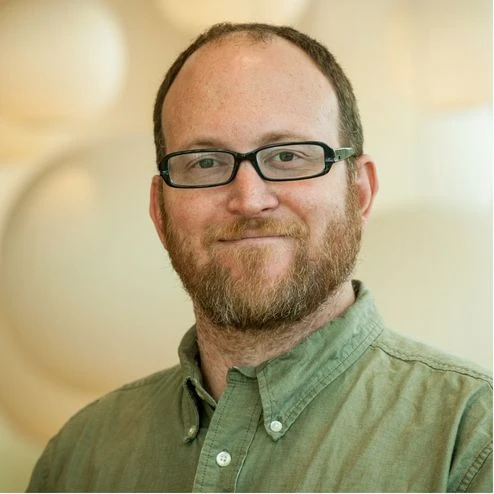
Chris Brown is the Director of GMP Technical Operations, leading the Manufacturing/Process Development and Quality Control teams within Seattle Children’s Therapeutic Cell Production Core. He has more than 25 years of experience in the manufacturing of cellular products for Phase 1 and 2 clinical trials. Since joining Seattle Children’s in 2010, he has overseen GMP manufacturing operations for 17 INDs enrolling over 600 clinical trial participants, as well as serving as an advisor and auditor for other academic GMP facilities. Prior to joining Seattle Children’s, he oversaw GMP operations at the Fred Hutchinson Cancer Research Center and participated in the buildout and operation of a similar facility at the University of Washington. He holds a BA from Carleton College
Dr. Sohel Talib

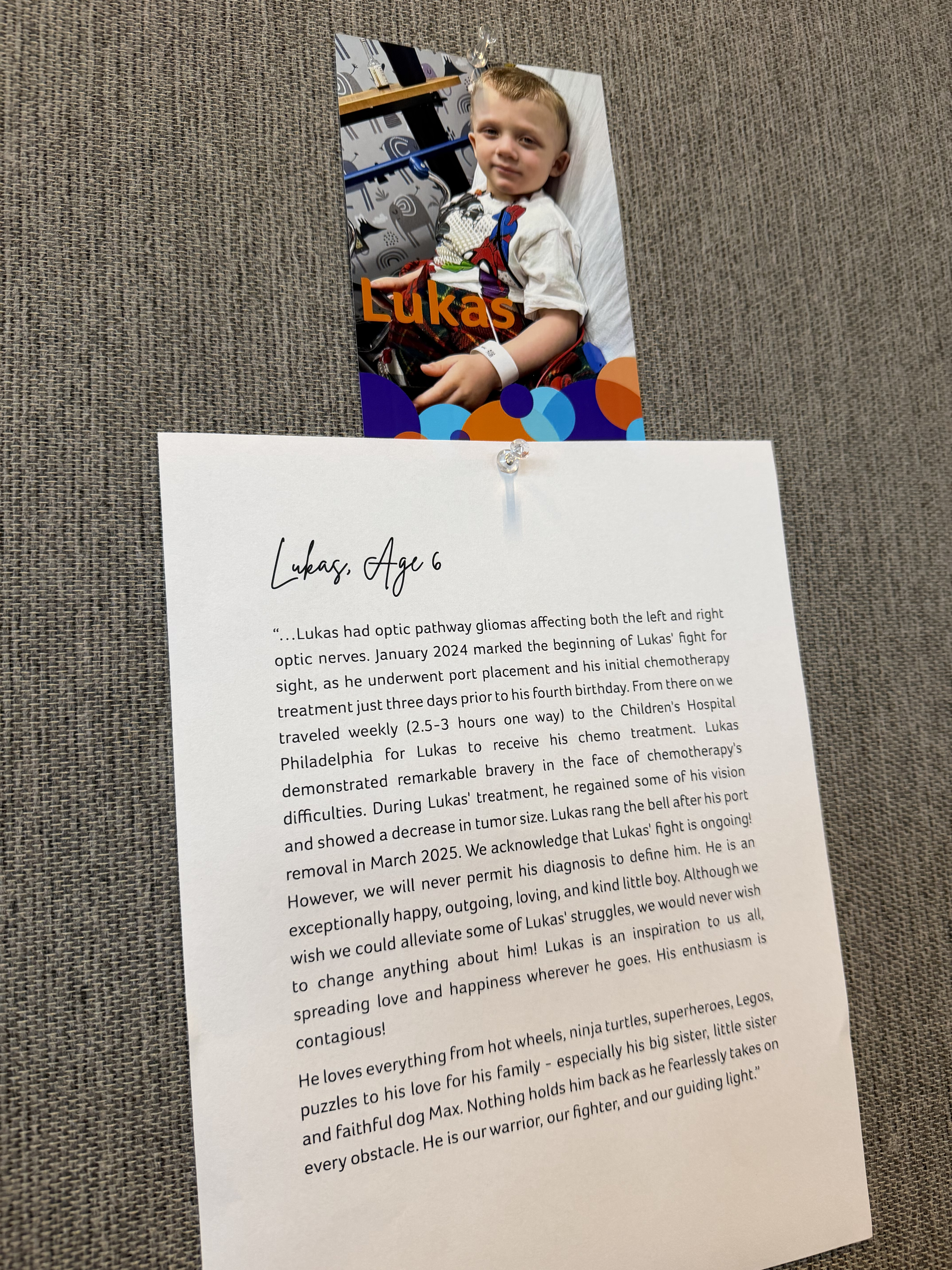
Meet Dr. Sohel Talib

Sohel Talib, PhD, is a Fellow at California Institute for Regenerative Medicine (CIRM). He is responsible for developing and implementing CIRM’s scientific programs and managing a portfolio of clinical stage grants utilizing hematopoietic stem cell gene therapy approaches for the treatment of hemoglobinopathies, Primary Immune Deficiency diseases (PID), HIVAIDS, and cancer. His scientific background is in stem cell and gene therapy research, and he has spent 20 years in the biotech industry. Before joining CIRM, Dr. Talib was the Director of Product Development at Geron Corporation, where he directed immune-oncology program on the development of an autologous dendritic cell vaccine for cancer (Geron VAC-1). Prior to Geron Corporation, he served as the Director of Immunology at Cerus Corporation, a biotech company developing novel allogeneic stem cell therapy for the hematological malignancies. Dr. Talib was a cofounder of Applied Immune Sciences (AIS), which was acquired by Rhone Poulenc Rorer (RPR, currently Sanofi). At RPR Gen Cell, he directed the development and execution of adoptive immunotherapy programs. Dr. Talib represented CIRM at the National Academy of Sciences Forum on Regenerative Medicine. Dr. Talib received his post-doctoral training at Stanford University, University of California, Berkeley and Roche Institute of Molecular Biology, Nutley. He obtained his Ph.D. in Biochemistry from Aligarh University, India and International DANIDA fellowship from Danish Institute of Protein Chemistry, Copenhagen.
Global Resources, Houston Innovation.

Join the coalition accelerating patient cures right here in Houston.

Tackling Solid Tumors

Dive deep into 'The Last Frontier' of cancer therapy with pioneers from MD Anderson to Baylor College of Medicine

The State of Texas CGT

Engage with experts shaping the future of the Texas biotech ecosystem.

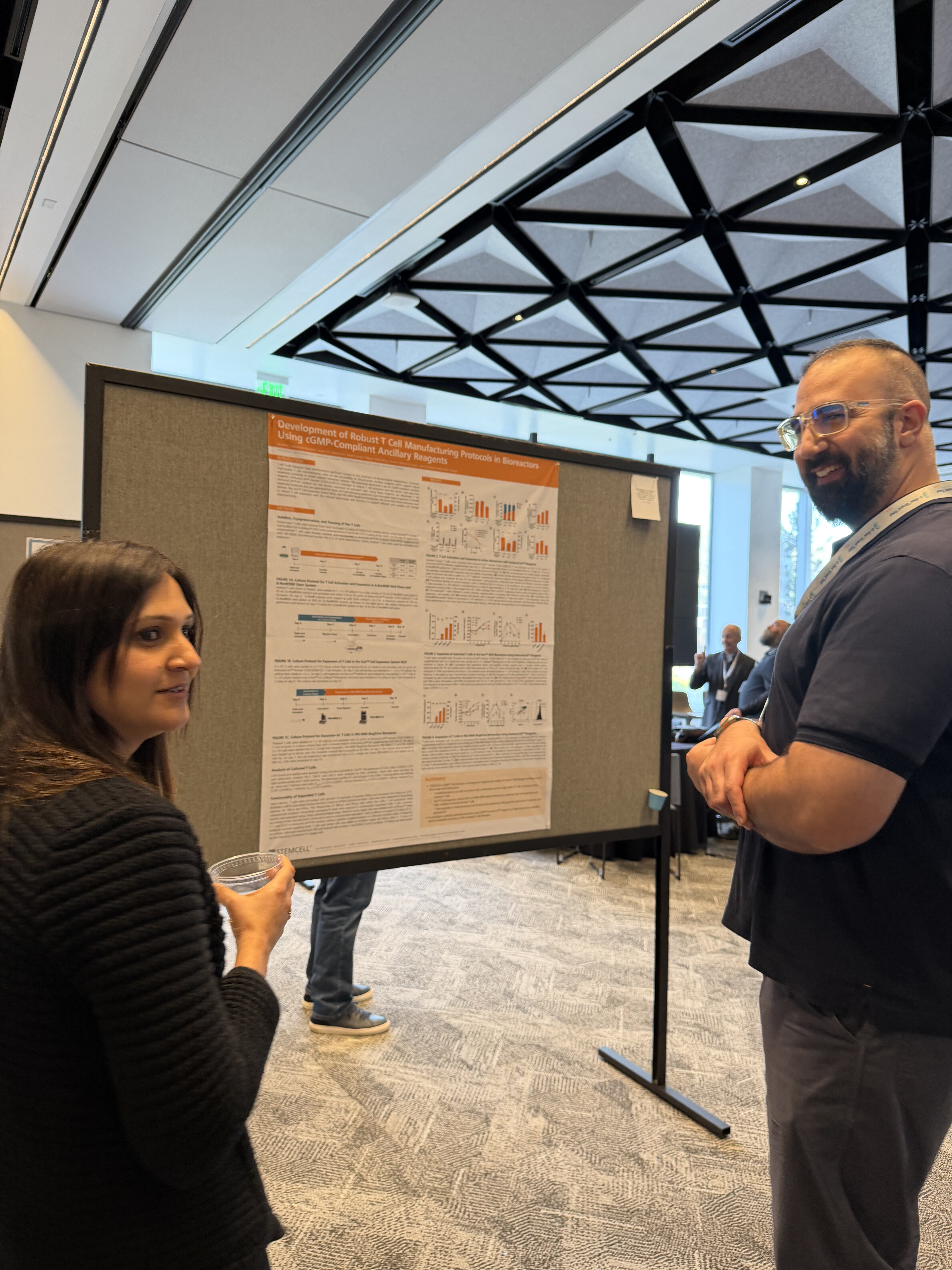
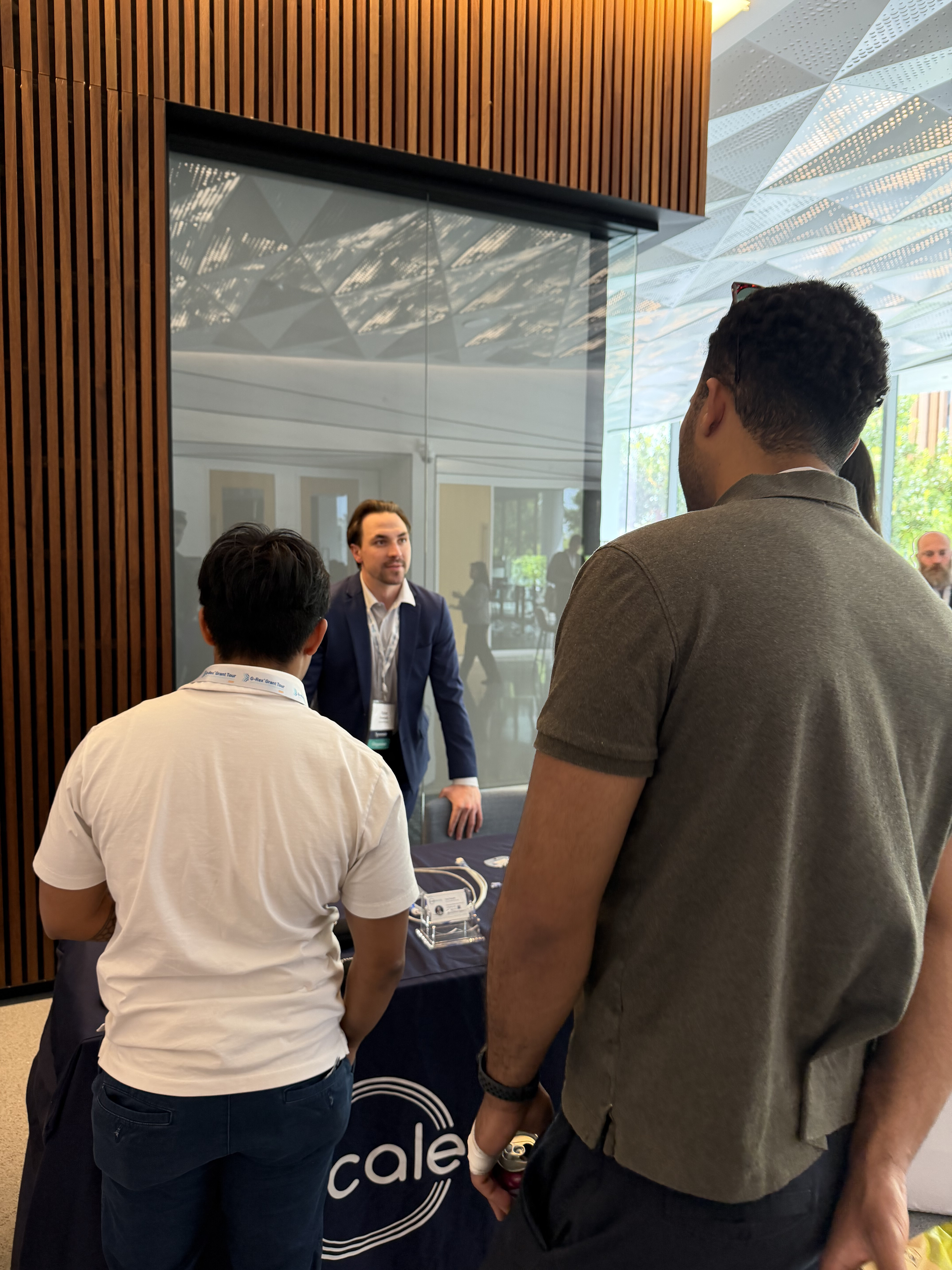
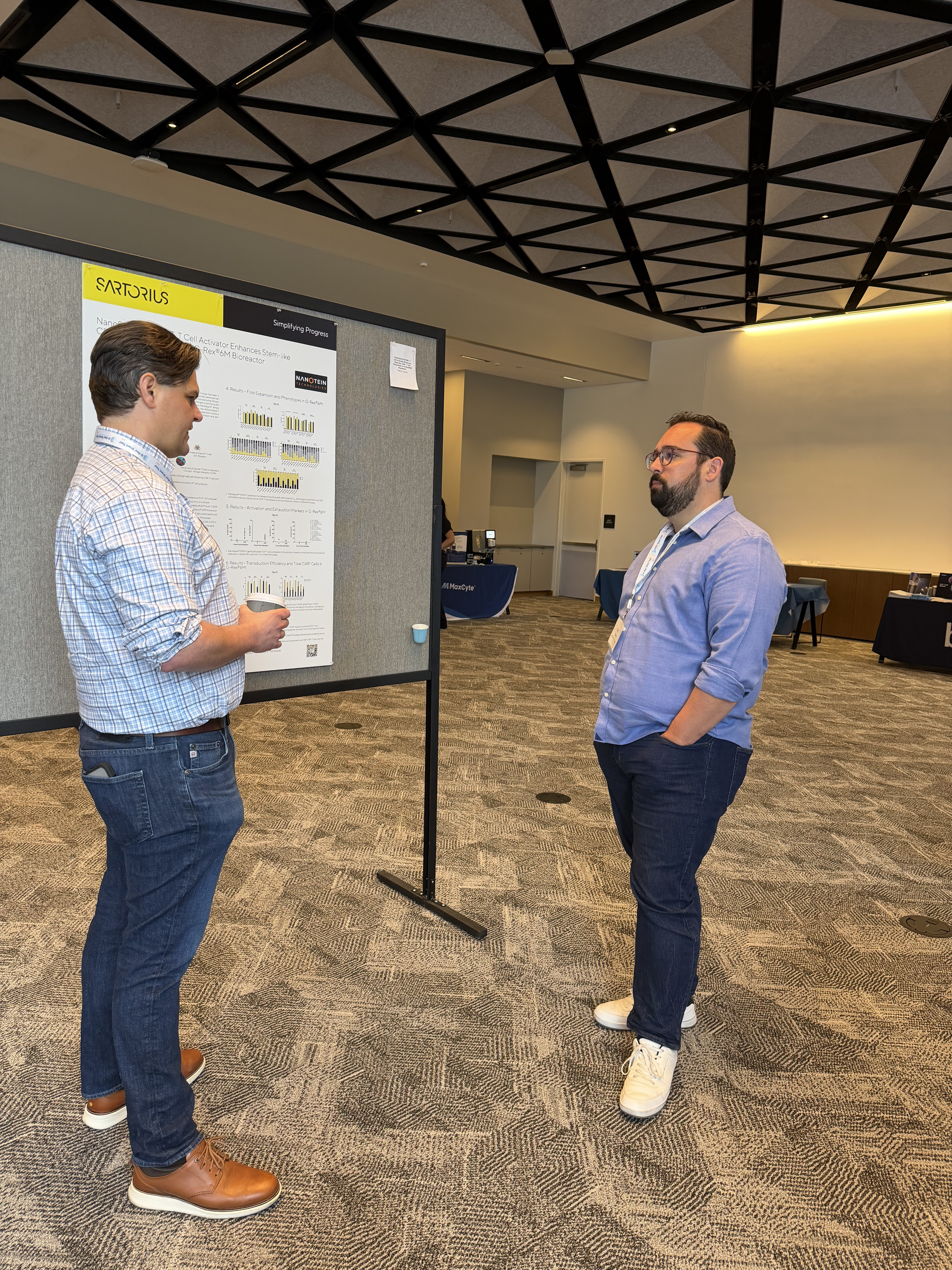
Network and Engage

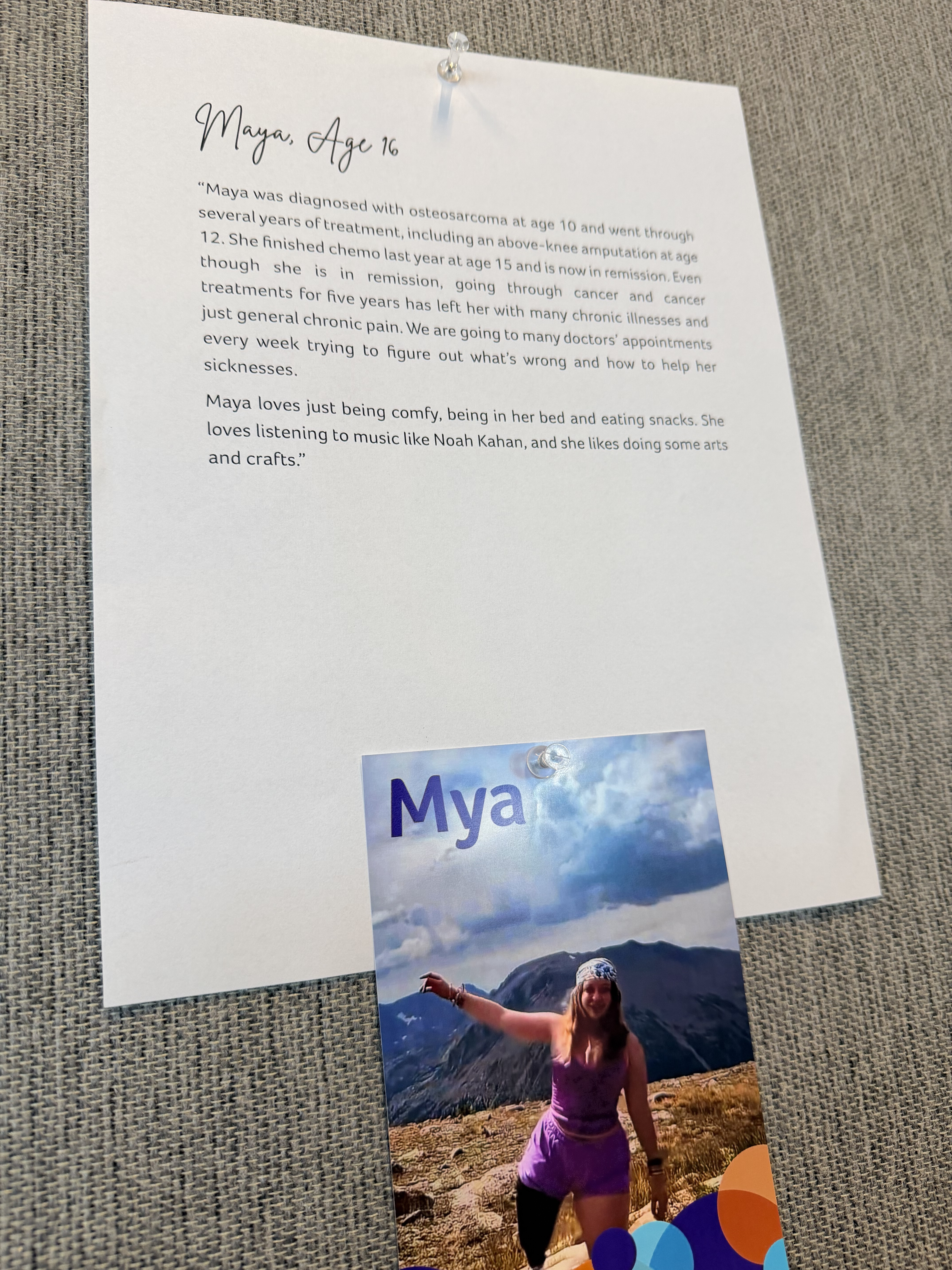
Participate in the "Believe Bundle Creation" and support the Emily Whitehead Foundation’s mission to save lives.

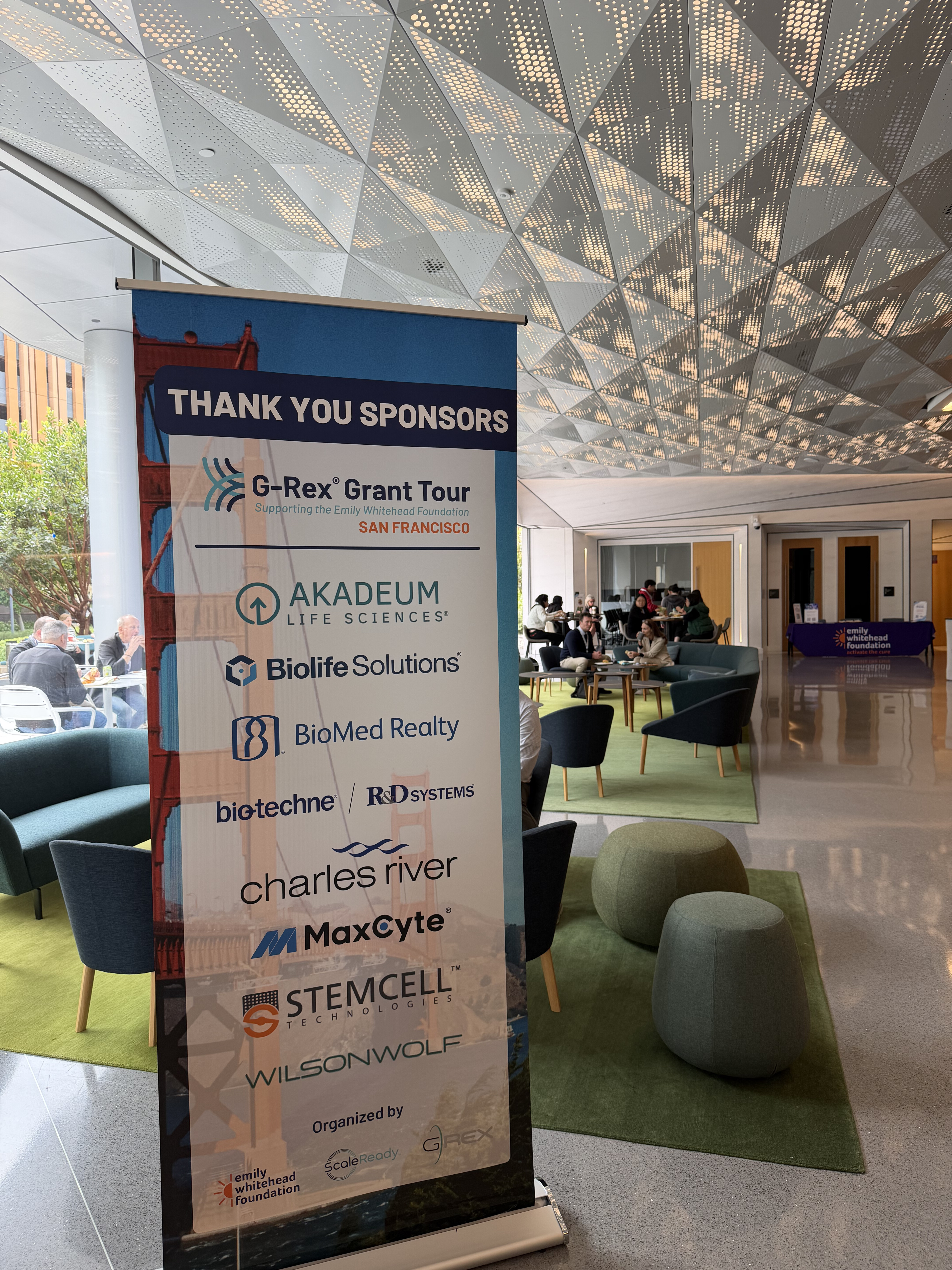
Event Sponsors

Event Essentials

Prepare for a full day of innovation, networking, and impact.

G-Rex Grant Tour

If you're building the future of cell therapy - this is your place

Interested in Sponsoring?

Are you a provider of tools, technology, or services used in research, development, or manufacturing of cell and gene therapies?
Does your innovation pair nicely with G-Rex?
If yes, please consider sponsoring one, some, or all of the G-Rex Grant Tour events.  Your sponsorship is a tax deductible donation to the Emily Whitehead Foundation.