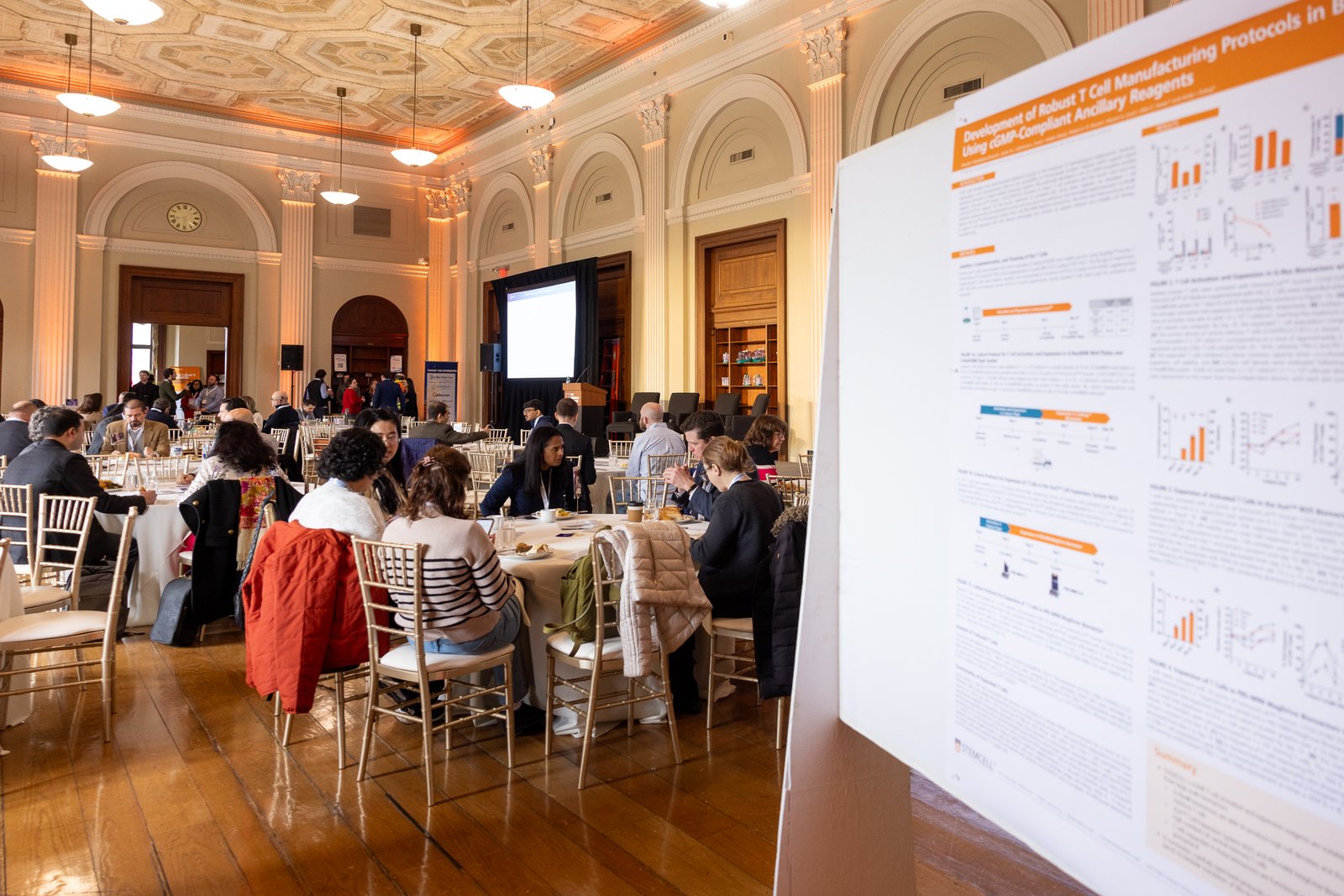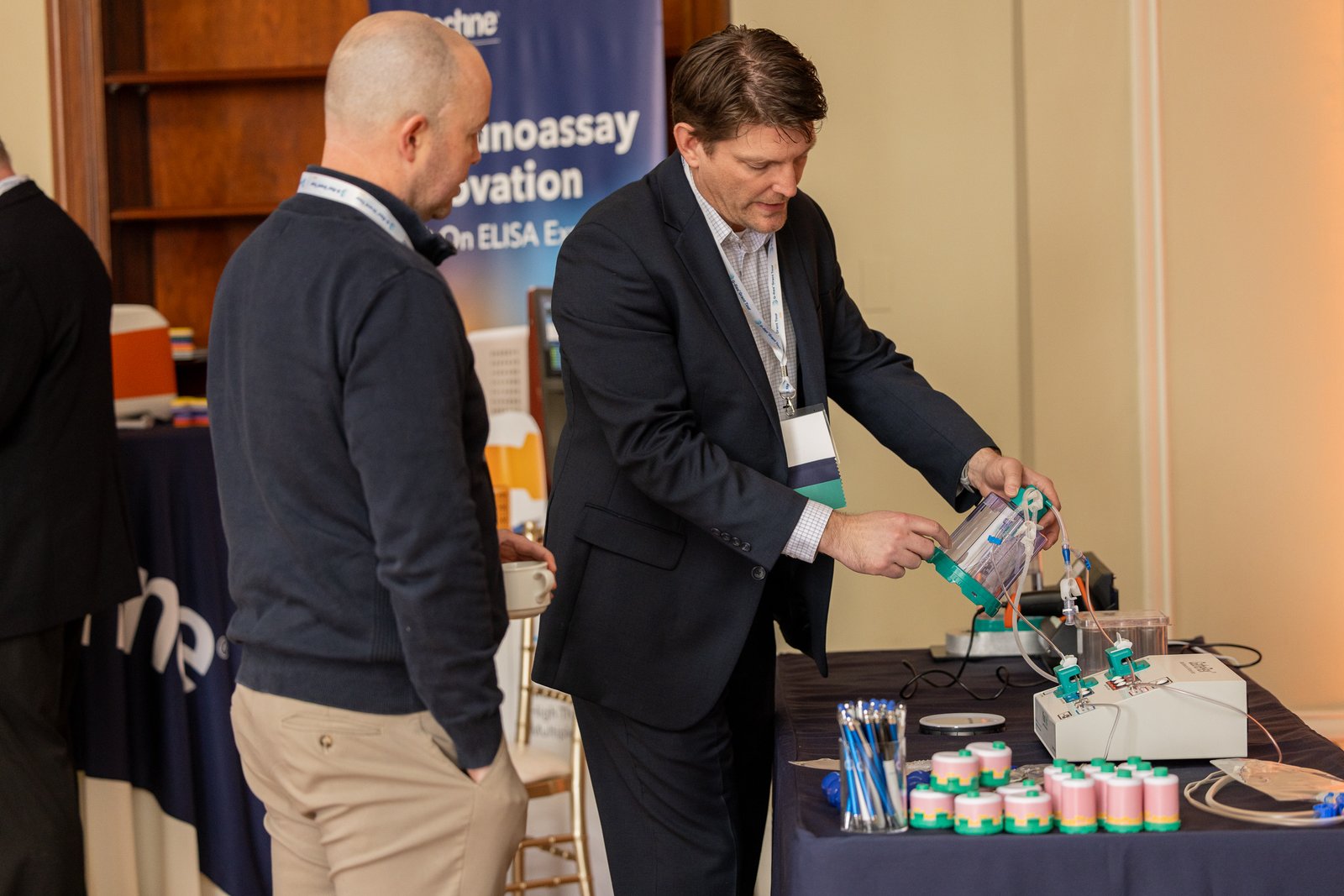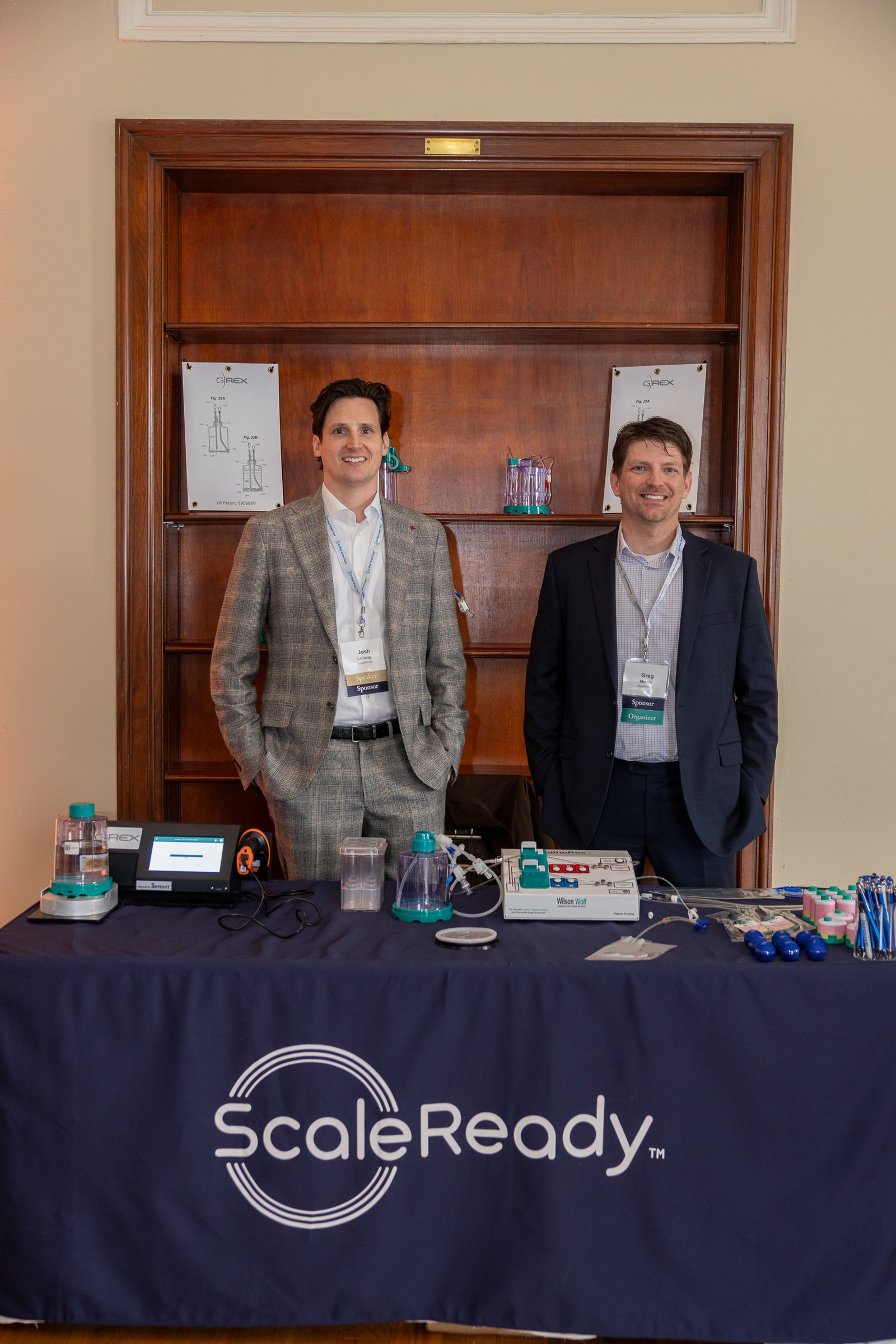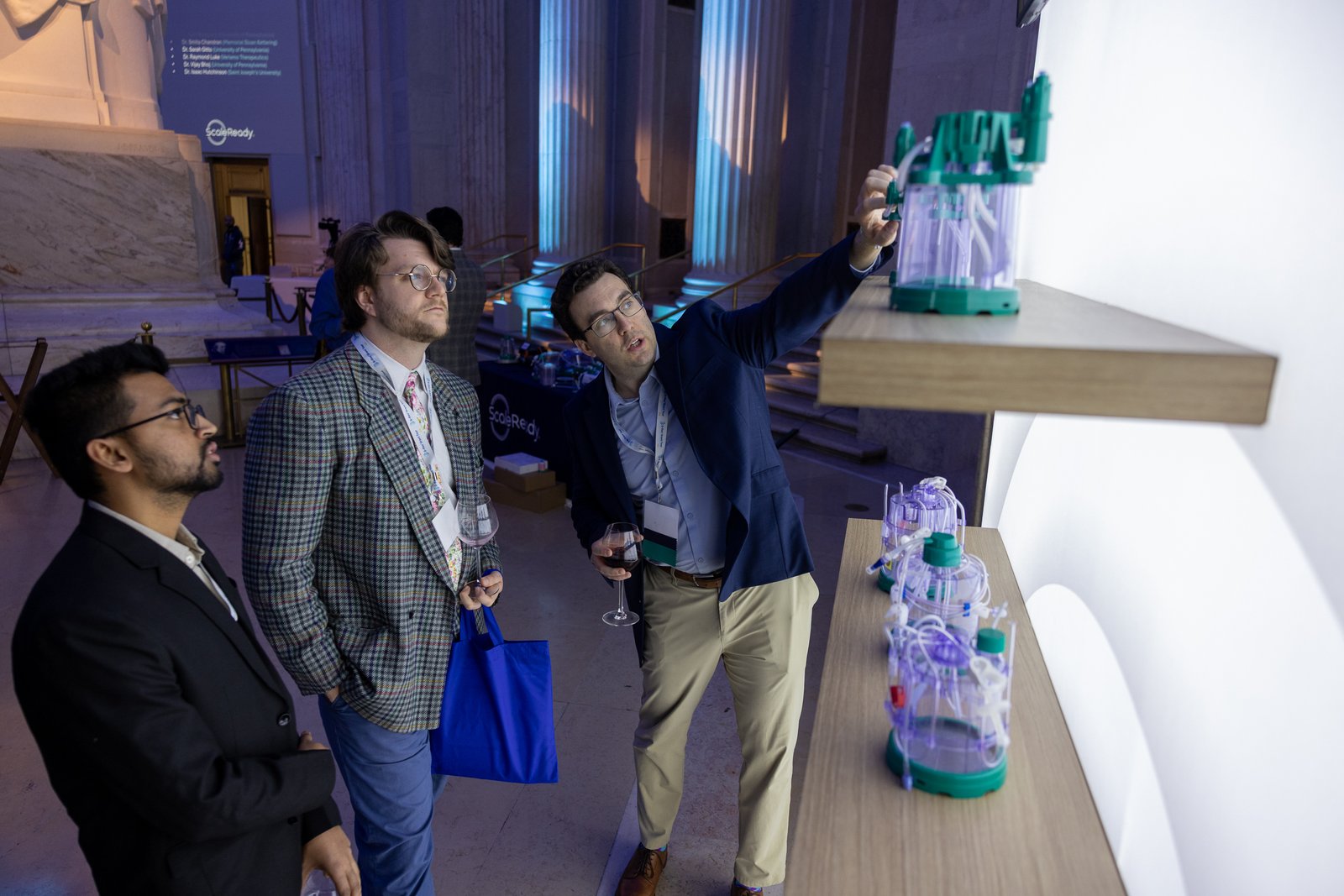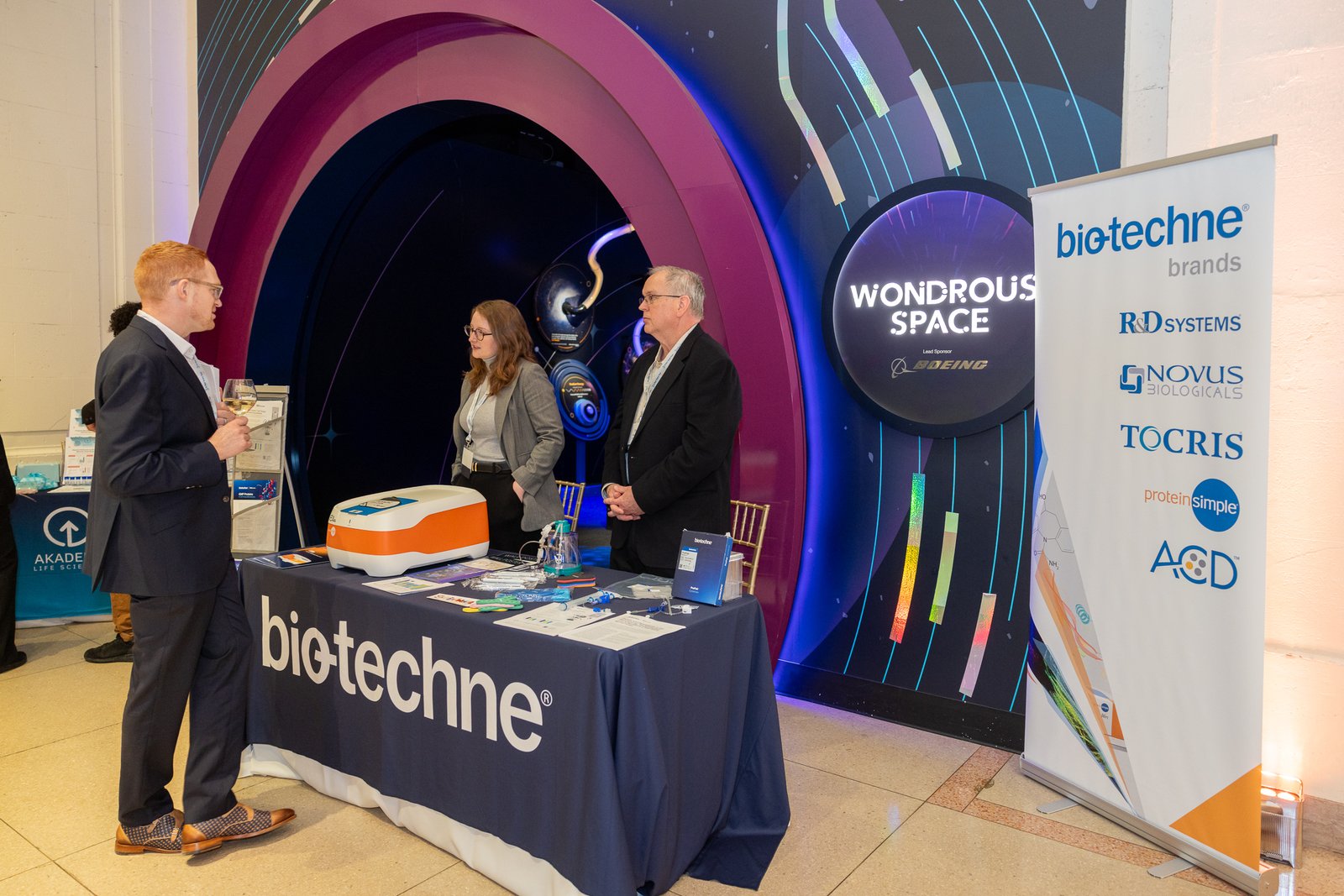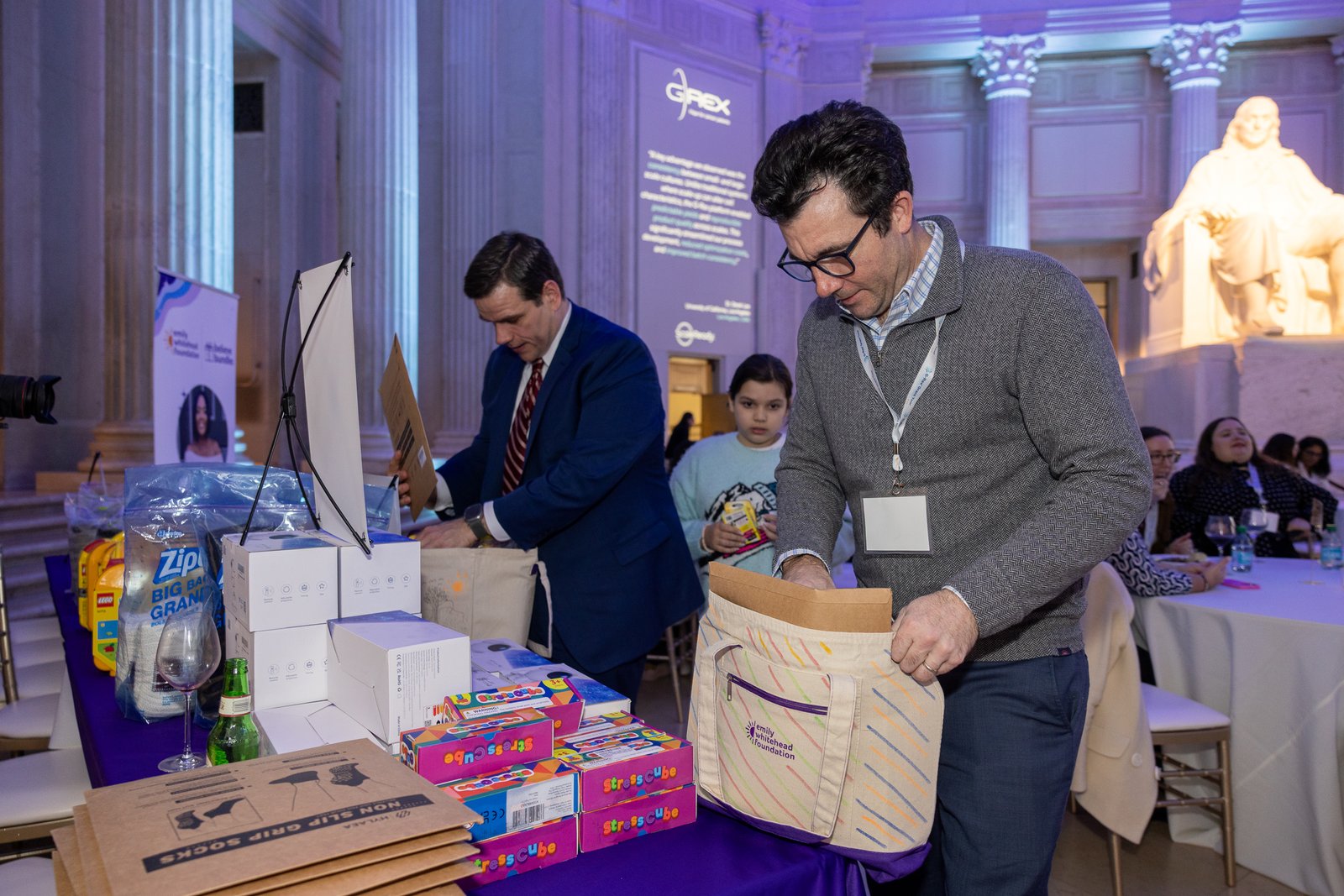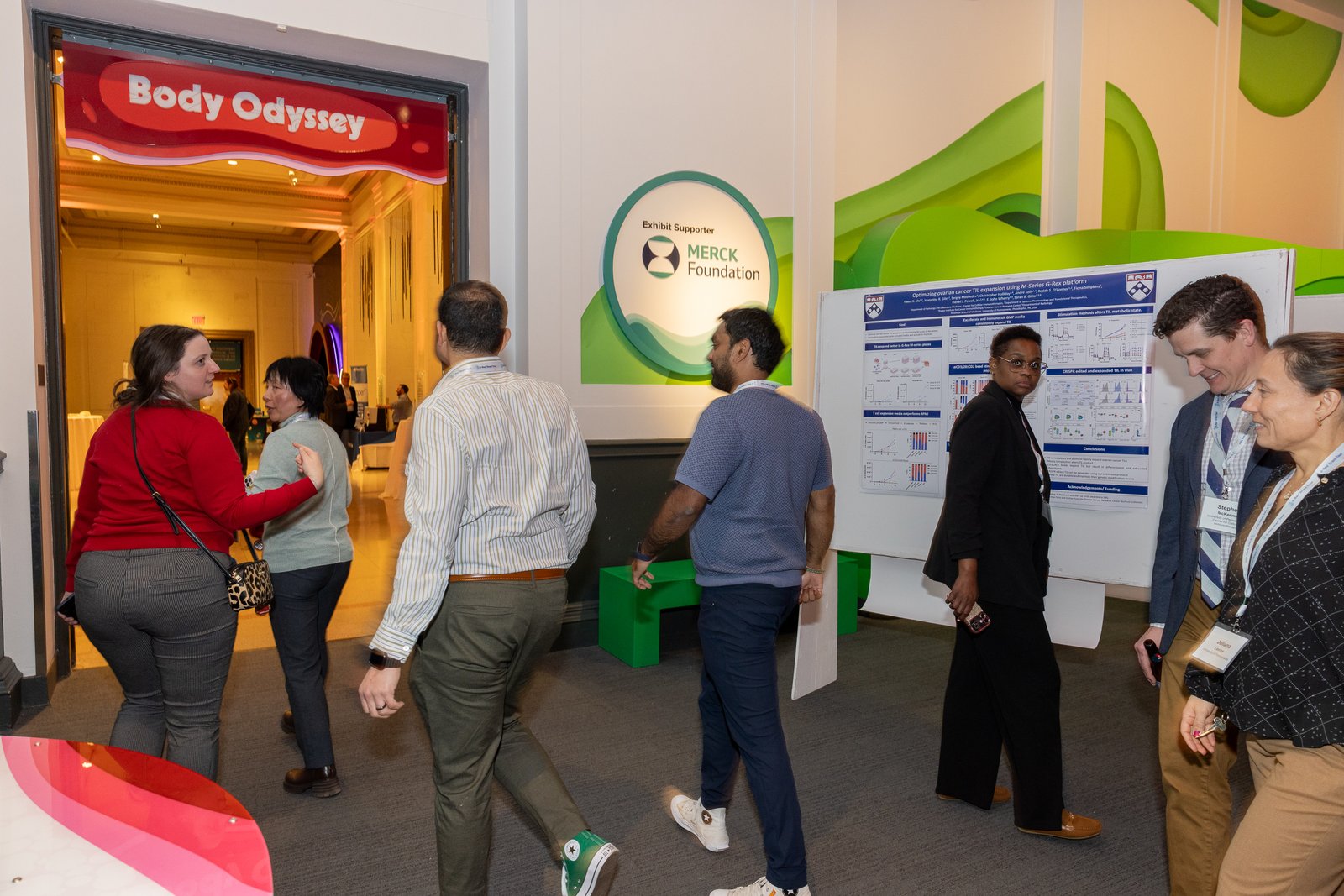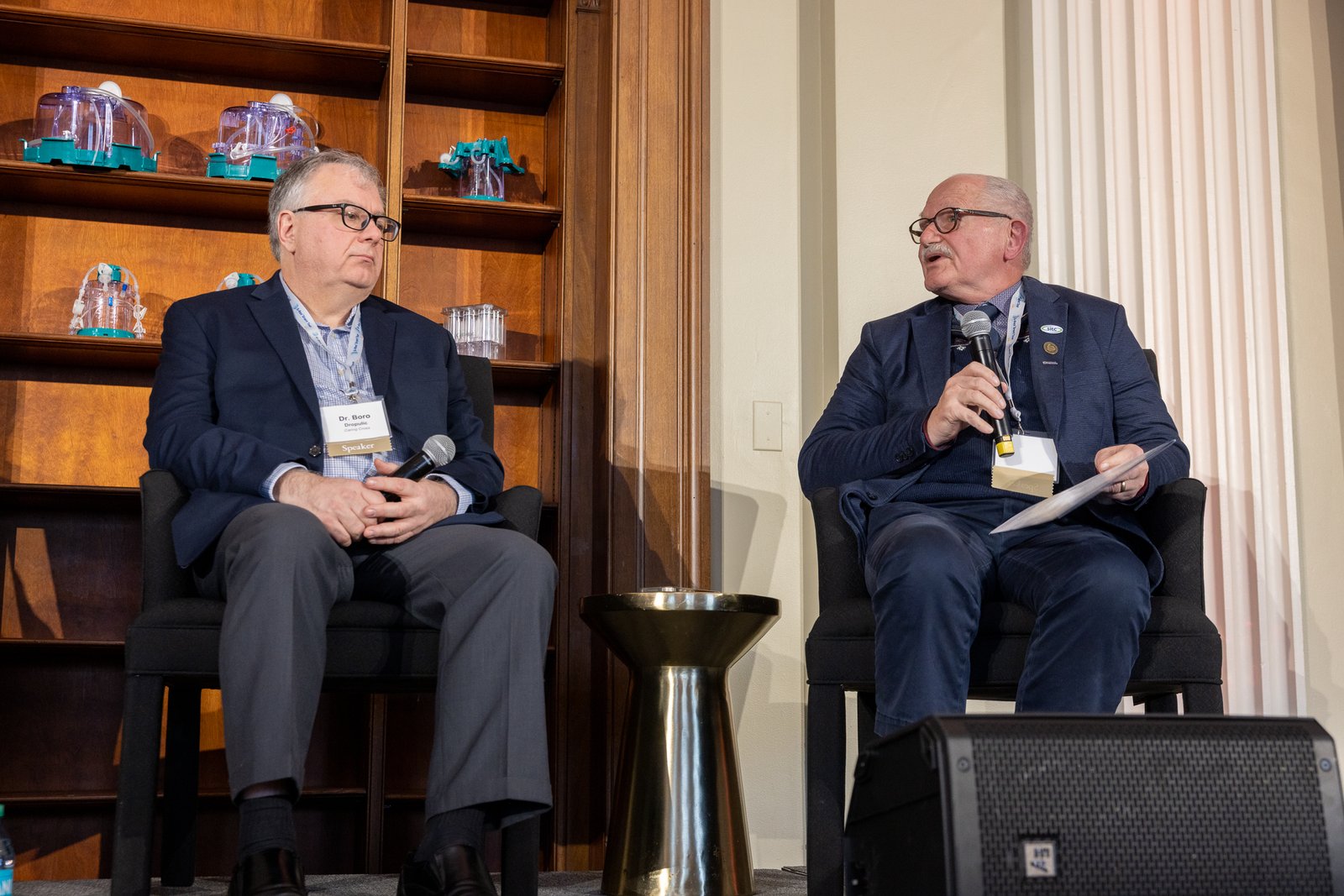
G-Rex Grant Tour Chicago, IL

G-Rex Grant Tour Chicago
G-Rex Grant Tour Chicago - Supporting Emily Whitehead Foundation

G-Rex® Grant Tour

Supporting the Emily Whitehead Foundation

CHICAGO

Share

Coming to Chicago

The G-Rex Grant Program is a transformational initiative that culminated in the awarding of >300 G-Rex Grants and >$40M in resources and has resulted in a powerful coalition of organizations and individuals working to bring hope to cancer and autoimmune patients through adoptive cell and gene therapy.

In 2026, ScaleReady will host a series of 12-events around the United States with the goals of:

Event Sponsors

The G-Rex Grant Tour will be co-produced by the Emily Whitehead Foundation (EWF) and all sponsorship fees will go directly to support the EWF mission “to support patients and caregivers affected by cancer and rare diseases, and advocate for all patients who can be treated with advanced therapies”.

Be first to know when registration opens.

Sign up to receive updates on available seats, event timing, and the growing list of speakers for the G-Rex® Grant Tour 2026.

G-Rex Grant
Tour 2026

Raleigh G-Rex Grant Tour | ScaleReady

G-Rex Grant Tour Raleigh (RTP)
G-Rex Grant Tour Raleigh (RTP) - Supporting Emily Whitehead Foundation

G-Rex® Grant Tour

Supporting the Emily Whitehead Foundation

RALEIGH

Share

Coming to Raleigh

The G-Rex Grant Program is a transformational initiative that culminated in the awarding of >300 G-Rex Grants and >$40M in resources and has resulted in a powerful coalition of organizations and individuals working to bring hope to cancer and autoimmune patients through adoptive cell and gene therapy.

In 2026, ScaleReady will host a series of 12-events around the United States with the goals of:

Event Speakers

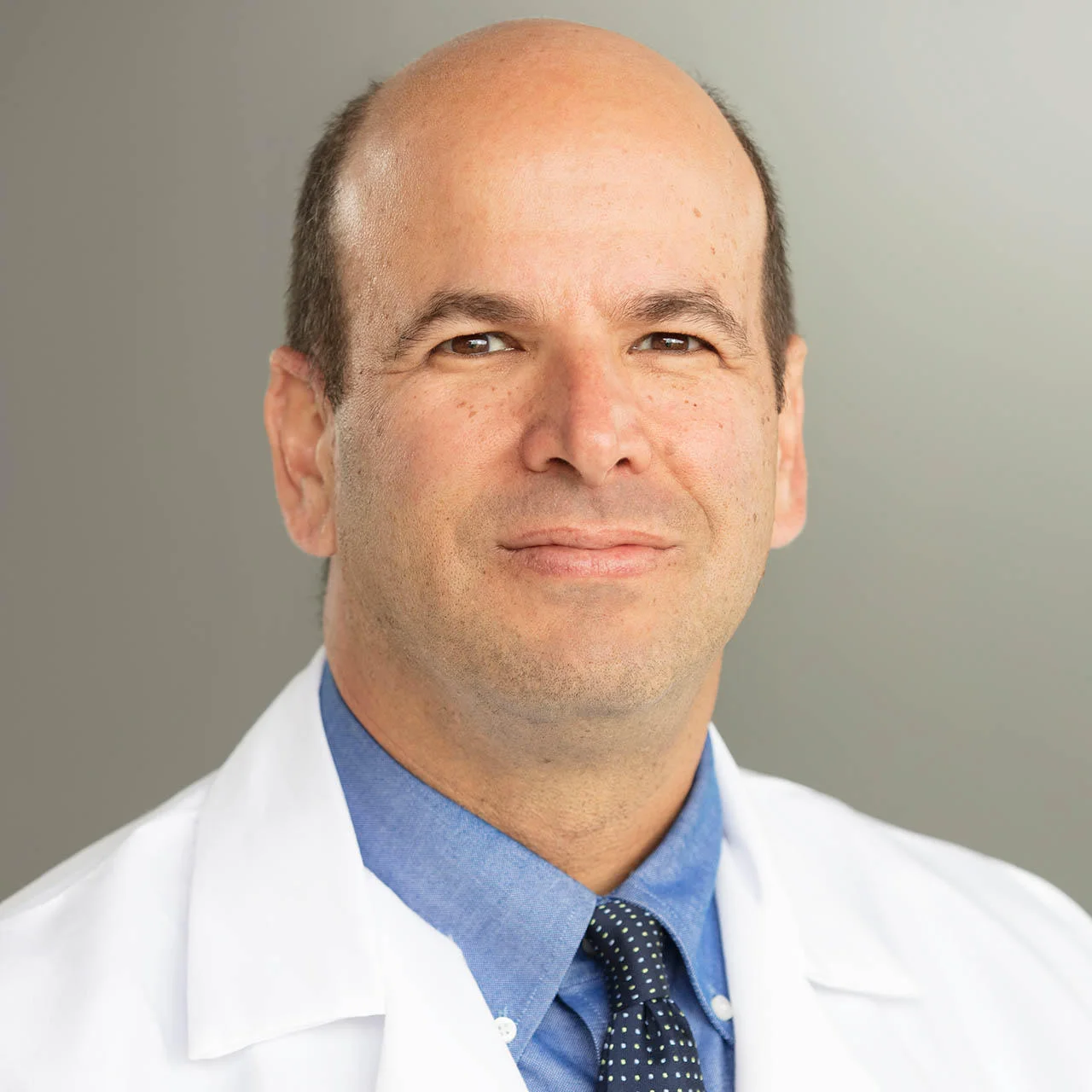
Ms. Pamy Nolder

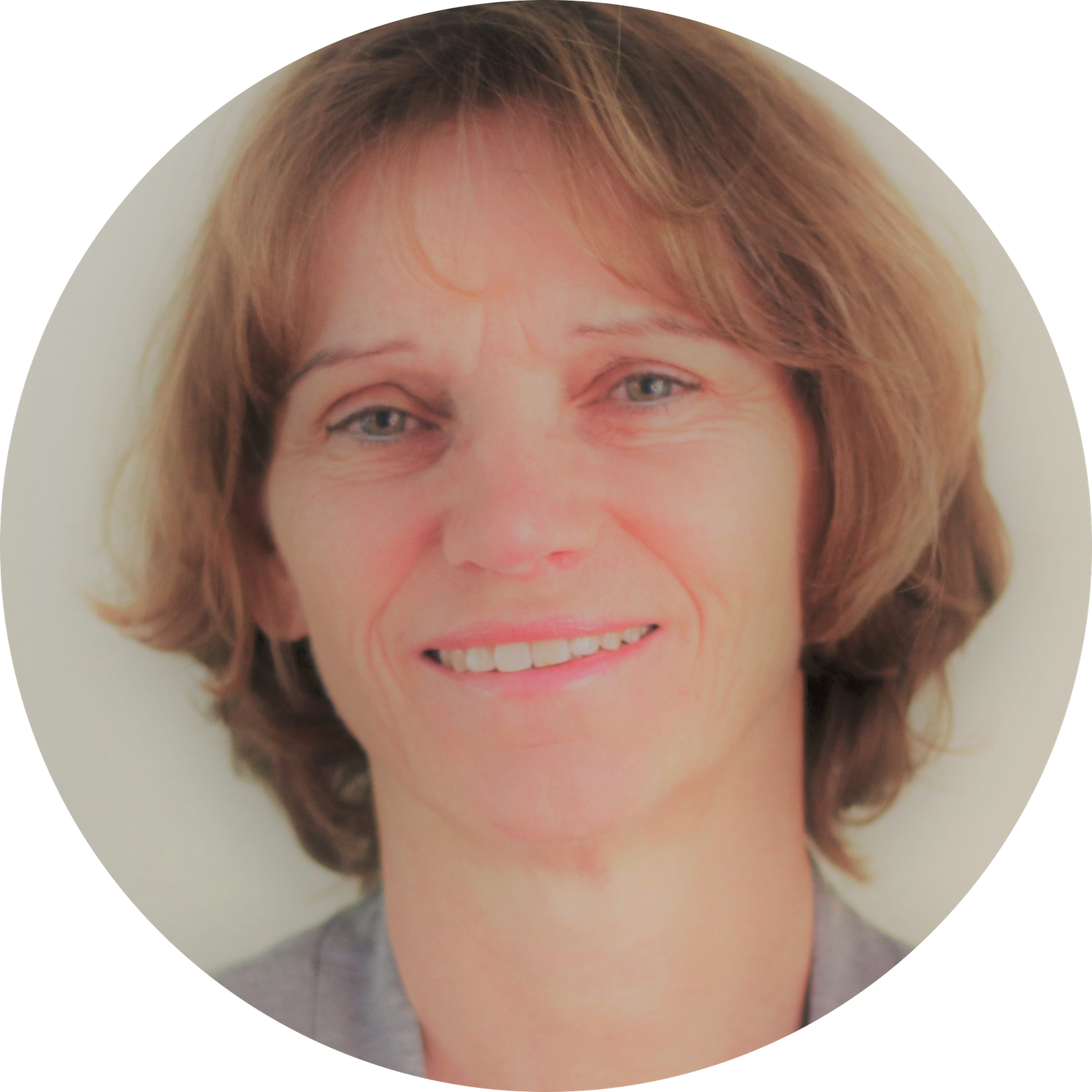
Meet Ms. Pamy Noldner

Pamela Noldner leads the Cell Therapy Process Development team at the Marcus Center for Cellular Cures (MC3) at the Duke School of Medicine. In this role, she oversees the development, optimization, and scaleup of GMPcompliant manufacturing processes for both allogeneic and autologous cellbased therapies.Over the past ten years, her work has covered the process development from initial cell sourcing through final formulation and cryopreservation. She has helped build and implement closedsystem and automated workflows, including largescale bioreactor approaches, and has supported product characterization through ELISAs and the development of potency assays. Her team works across multiple cell types, including MSCs, TILs, CAR T cells, γδ T cells, macrophages, and NK cells, drawing on extensive experience with cordblood–derived cultures.Pamela has designed and authored IND amendment studies, authored GMP documentation such as SOPs and batch records, and led technical transfers to manufacturing and quality control groups. She also manages collaborations with academic labs and biotechnology partners.

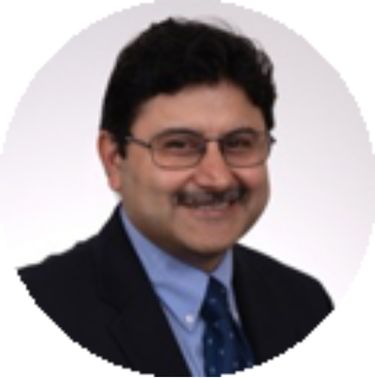
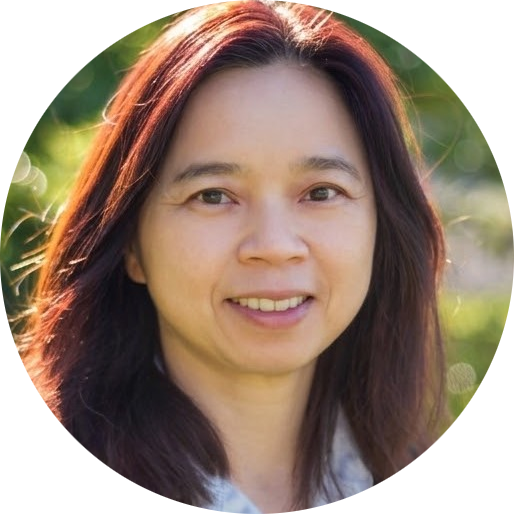
Meet Dr. Shikhar Mehrotra​

Shikhar Mehrotra leads the immunotherapy research program at the Medical University of South Carolina (MUSC), where he holds an endowed chair in Hematology/Oncology and serves as Chair of the Department of Pharmacology & Immunology. He earned his BS in Chemistry and Biological Sciences and his MS in Microbiology from Avadh University in India, followed by a PhD in Immunology from the Post-graduate Institute of Medical Sciences and postdoctoral training in Tumor Immunology at the University of Connecticut Health Center. Over the past two decades, his work has spanned the discovery of key immunometabolic pathways — including the CD38-NAD+ axis and antioxidant regulation of T cell memory — through translational application in adoptive cell therapy. His team works across multiple T cell platforms, including CAR T cells, TILs, and Th17-programmed cells, and has secured FDA approval for a Phase I clinical trial in NHL and CLL. Dr. Mehrotra has authored numerous high-impact publications and holds multiple U.S. patents in cancer immunotherapy.
Dr. Richard D. Lopez

Meet Dr. Richard D. Lopez

Dr. Richard D. Lopez is an Associate Professor of Medicine at Duke University and a physician-scientist specializing in hematologic malignancies and cellular therapy. After earning his medical degree and completing his fellowship at Stanford University, he focused his research on the clinical expansion of gamma/delta T-cells, a rare but potent subset of the immune system. As the Founder and CEO of PhosphoGam, Dr. Lopez transitioned his laboratory discoveries into a proprietary manufacturing platform. His technology enables an 80,000x expansion of T-cells, addressing the historical challenges of scalability and high production costs in immunotherapy. His work facilitates the development of "off-the-shelf" allogeneic therapies designed to be more accessible and safer for patients by eliminating the need for traditional viral vectors. Dr. Lopez’s career is defined by bridging the gap between academic research and commercial biotechnology. His current efforts at PhosphoGam focus on providing scalable, cost-effective cell therapies for both liquid and solid tumors, aiming to shift the standard of care toward mass-producible immunotherapy.

Event Sponsors

The G-Rex Grant Tour will be co-produced by the Emily Whitehead Foundation (EWF) and all sponsorship fees will go directly to support the EWF mission “to support patients and caregivers affected by cancer and rare diseases, and advocate for all patients who can be treated with advanced therapies”.

Be first to know when registration opens.

Sign up to receive updates on available seats, event timing, and the growing list of speakers for the G-Rex® Grant Tour 2026.

G-Rex Grant
Tour 2026

G-Rex Grant Tour Los Angeles, CA

G-Rex Grant Tour Los Angeles
G-Rex Grant Tour Los Angeles - Supporting Emily Whitehead Foundation

G-Rex® Grant Tour

Supporting the Emily Whitehead Foundation

LOS ANGELES

Share

Coming to Los Angeles

The G-Rex Grant Program is a transformational initiative that culminated in the awarding of >300 G-Rex Grants and >$40M in resources and has resulted in a powerful coalition of organizations and individuals working to bring hope to cancer and autoimmune patients through adoptive cell and gene therapy.

In 2026, ScaleReady will host a series of 12-events around the United States with the goals of:

Event Sponsors

The G-Rex Grant Tour will be co-produced by the Emily Whitehead Foundation (EWF) and all sponsorship fees will go directly to support the EWF mission “to support patients and caregivers affected by cancer and rare diseases, and advocate for all patients who can be treated with advanced therapies”.

Be first to know when registration opens.

Sign up to receive updates on available seats, event timing, and the growing list of speakers for the G-Rex® Grant Tour 2026.

G-Rex Grant
Tour 2026

G-Rex Grant Tour Seattle, WA

G-Rex Grant Tour Seattle
G-Rex Grant Tour Seattle - Supporting Emily Whitehead Foundation

G-Rex® Grant Tour

Supporting the Emily Whitehead Foundation

SEATTLE

Share

Coming to Seattle

The G-Rex Grant Program is a transformational initiative that culminated in the awarding of >300 G-Rex Grants and >$40M in resources and has resulted in a powerful coalition of organizations and individuals working to bring hope to cancer and autoimmune patients through adoptive cell and gene therapy.
In 2026, ScaleReady will host a series of 12-events around the United States with the goals of:

Event Sponsors

The G-Rex Grant Tour will be co-produced by the Emily Whitehead Foundation (EWF) and all sponsorship fees will go directly to support the EWF mission “to support patients and caregivers affected by cancer and rare diseases, and advocate for all patients who can be treated with advanced therapies”.

Be first to know when registration opens.

Sign up to receive updates on available seats, event timing, and the growing list of speakers for the G-Rex® Grant Tour 2026.

G-Rex Grant
Tour 2026

G-Rex Grant Tour Boston, MA

G-Rex Grant Tour Boston
G-Rex Grant Tour Boston - Supporting Emily Whitehead Foundation

G-Rex® Grant Tour

Supporting the Emily Whitehead Foundation

BOSTON

Share

Coming to Boston

The G-Rex Grant Program is a transformational initiative that culminated in the awarding of >300 G-Rex Grants and >$40M in resources and has resulted in a powerful coalition of organizations and individuals working to bring hope to cancer and autoimmune patients through adoptive cell and gene therapy.

In 2026, ScaleReady will host a series of 12-events around the United States with the goals of:

Event Speakers

Meet Ms. Victoria Gray

Victoria Gray is a woman of faith and the first person in the world with sickle cell disease to be treated with CRISPR gene editing in 2019. After a lifetime of pain and hospitalizations, she is now symptom-free, an answer to prayer and a powerful testimony to God working through Science.Motivated by her deep love for her children and her desire to be present for their lives, Victoria chose gene therapy in faith and hope. Today, she is an international patient advocate and speaker who shares her lived experience with biotech companies, at major biotechnology and cell and gene therapy conferences, on Capitol Hill, in classrooms, and across media platforms to advance equity, access, and understanding of life-saving therapies. She is a devoted wife, proud mother of four, adoring nana, and lives in Forest, Mississippi

Event Sponsors

The G-Rex Grant Tour will be co-produced by the Emily Whitehead Foundation (EWF) and all sponsorship fees will go directly to support the EWF mission “to support patients and caregivers affected by cancer and rare diseases, and advocate for all patients who can be treated with advanced therapies”.

Be first to know when registration opens.

Sign up to receive updates on available seats, event timing, and the growing list of speakers for the G-Rex® Grant Tour 2026.

G-Rex Grant
Tour 2026

G-Rex Grant Tour San Diego, CA

G-Rex Grant Tour San Diego - Supporting Emily Whitehead Foundation

G-Rex® Grant Tour

Supporting the Emily Whitehead Foundation

SAN DIEGO

Location

Scripps Seaside Forum
8610 Kennel Way
La Jolla, CA 92037

Date

Thursday, April 16, 2026
10:00AM-7:00PM

Hear from leaders bringing hope to patients through advanced cell & gene therapies

G-Rex Grant Tour 2026 - San Diego - Dr. Dan MacLeod

Meet Dr. MacLeod

Dr. MacLeod is an experienced biotechnology leader and innovator in the cell therapy space with 20 years of experience in immunology, oncology, cancer immunotherapy, gene-editing and virology. Throughout his career, Dan has successfully led numerous teams in translating platform technologies into clinical candidate cell therapies, including four CAR-T therapies that advanced from early-stage research through IND-enabling studies and into Phase 1/2 clinical trials.As Chief Scientific Officer at Optieum Biotechnologies, Dan leads R&D for OPTF01, an autologous CAR T targeting Fibroblast Activation Protein Alpha (FAPα) for Glioblastoma and additional solid tumor indications. He also oversees a growing pipeline of CAR T candidates for autologous and in vivo modalities spanning oncology, fibrosis, and autoimmunity.Prior to Optieum, Dan was Senior Vice President of Discovery at ImmunoScape, where he led R&D for autologous TCR-T cell therapies. He also held roles of increasing responsibility during his time at Precision BioSciences, leading the discovery and development of gene-edited, allogeneic CAR-T cell therapies. Earlier in his career, Dan held roles at GlaxoSmithKline and the International AIDS Vaccine Initiative (IAVI). He completed his Ph.D. at the University of California, San Diego, and B.A. at Northwestern University.
G-Rex Grant Tour 2026 - San Diego - Colin Exline

Meet Dr. Colin Exline

Colin Exline leads the Research and Development efforts at Papillon Therapeutics and has been working in regenerative medicine for over 15 years. He has developed methods to efficiently edit genomes by both virally and non-virally. These methods have been employed while leading projects in HSPC to create anti-viral immune systems and within organ transplantation settings to decrease the risk of rejection for both xeno- and traditional transplantation. He earned his PhD from the University of Iowa studying viral gene expression.
Dr. Haiyan Jiang - President and Chief Scientific Officer at Point Loma BioSciences

Meet Dr. Haiyan Jiang

Haiyan Jiang, PhD, is President and Chief Scientific Officer at PointLoma BioSciences and a biopharma R&D leader with more than two decades of experience advancing biologics and cell and gene therapies. She has built and led high-performing translational teams across emerging startups and global biopharma organizations, holding senior leadership roles at Ansun BioPharma, Editas, Biogen, Bayer and Avigen. Dr. Jiang has driven strategy and execution from discovery through IND, FDA/CBER collaboration, and BLA support. Her expertise spans biologics, AAV gene therapy, genome editing in vivo and in hematopoietic stem cells, and innate immunity-driven platforms including CAR γδ T cells and γδ TCRs, across rare genetic diseases, oncology, and autoimmune indications.
G-Rex Grant Tour 2026 - San Diego - Dr. Dan Kaufman

Meet Dr. Dan Kaufman

Dr. Dan Kaufman is a native of Minnesota (USA). He did his undergraduate work at Stanford University and then completed an MD and a PhD (in Immunology) at the Mayo Medical School and Mayo Graduate School in Rochester, MN. He then completed both residency training in Internal Medicine and a fellowship training in Hematology at the University of Wisconsin- Madison. Dr. Kaufman was a faculty member at the University of Minnesota from 2002- 2016. In 2016, Dr. Kaufman moved to San Diego to be a Professor in the Department of Medicine, Divisions of Regenerative Medicine and BMT at UC San Diego School of Medicine. At UCSD, he does clinical work in hematology/BMT and serves as the Director of the Cell Therapy program. He also oversees the UCSD Advanced Cell Therapy Laboratory (ACTL) that provides GMP cell manufacturing to translate new cell-based therapies to clinical trials. Research in the Kaufman lab uses human pluripotent stem cells to understand the development of blood and immune cells. Recent studies have focused on the ability to use human iPSC-derived natural killer (NK) cells to kill diverse types of human cancer cells. These studies have used cellular engineering to enhance the anti-tumor activity of the iPSC-derived NK cells by expression of novel chimeric antigen receptors, stabilized expression of CD16, and other strategies. This work has now been translated into clinical trials for treatment of relapsed/refractory cancers- both hematologic malignancies and solid tumors. Additional studies aim to develop novel approaches for in vivo cell engineering to provide a potentially more efficient strategy to produce targeted, cell-based cancer therapies.
Dr. Christine Y Chen profile image

Meet Dr. Christine Chen

Dr. Christine Y. Chen is a cell therapy process development and CMC leader with more than 15 years of experience advancing complex biologics, synthetic biology, and allogeneic cell therapy products from early development through IND filing and post-IND manufacturing. She currently serves as Associate Director of Manufacturing Sciences and Technology at Fate Therapeutics, where she leads cross-functional teams in process optimization, technology transfer, and manufacturing strategy for iPSC-derived T cell and NK cell platforms. Throughout her career, Dr. Chen has built and scaled robust, regulatory-compliant processes, developed CMC strategies to support clinical advancement, and guided teams in establishing critical process parameters, improving product quality, and increasing manufacturing efficiency. Prior to Fate, she held leadership roles at Telesis Bio and MilliporeSigma, where she drove process innovation, cost reduction, and product commercialization across cell-based and molecular biology platforms. Dr. Chen earned her Ph.D. in Biochemistry, Molecular and Cellular Biology from the University of Massachusetts Amherst and completed her postdoctoral training at The Scripps Research Institute.
Ms. Nancy Hong

Meet Dr. Nancy Hong

Nancy joined RiverVest in 2016 and focuses on both biopharmaceutical and medical device opportunities. Currently, Nancy serves as a member of the Board of Directors at Scout Bio, Inc., Bluejay Therapeutics, Sequre Dx, and Biolinq, Inc. She formerly was a member of the Board of Directors at Xilio Therapeutics (NASDAQ: XLO).reviously, Nancy was a principal with BioMed Ventures. Nancy started her career as a scientist at Phenomix, a venture-backed discovery biotech company in San Diego.Trained in the areas of immunology and oncology, Nancy earned a B.S. with honors in Biology from the California Institute of Technology and a Ph.D. in Molecular and Cell Biology from the University of California, Berkeley. She conducted postdoctoral training at the University of California, San Francisco, as a fellow of the Leukemia & Lymphoma Society.

Meet Dr. Ha Nguyen

Dr. Ha Nguyen is Senior Director of the Office of Technology Development at the Salk Institute forBiological Studies, where she leads a multidisciplinary team dedicated to advancing the translation of groundbreaking scientific discoveries into real-world applications. With over 20 years of experience in technology transfer, intellectual property, and business development, she has worked across academia and industry to commercialize life science innovations.Dr. Nguyen is a registered U.S. Patent Agent and has held roles at UCSF, Thermo Fisher Scientific, and Salk. She also serves on the Board of the San Diego Innovation Council, supporting the region’s innovation ecosystem. She earned her PhD in Chemistry and Chemical Biology from UCSF and her BS in Chemistry from UC Irvine.
Dr. Travis Young

Meet Dr. Travis Young

Dr. Travis Young is the Executive Vice President of Calibr-Skaggs, a division of Scripps Research Institute focused on the bench to bedside translation of novel medicines. He received a BS in biochemistry from Boston College and a PhD in chemical biology from Scripps Research Institute as an ARCS scholar.After receiving his PhD, he completed a postdoc at Harvard Medical School. Dr. Young was a member of the founding group of principal investigators at Calibr and serves as lead investigator on multiple clinical programs and bench-to-bedside antibody & cellular therapy-based programs. He also leads cell therapy efforts at Scripps and has built an experienced team capable of translating unique cell therapies from concept to first in human clinical. His work has been highly awarded and received support from the Wellcome Trust, NIH, DoD, Mesothelioma Research foundation, American Cancer Society, among others. His work has resulted in numerous publications and patents with >3000 citations in the past 5 years.
Betsy & Beau Larrabee

Meet Ms. Betsy & Beau Larrabee

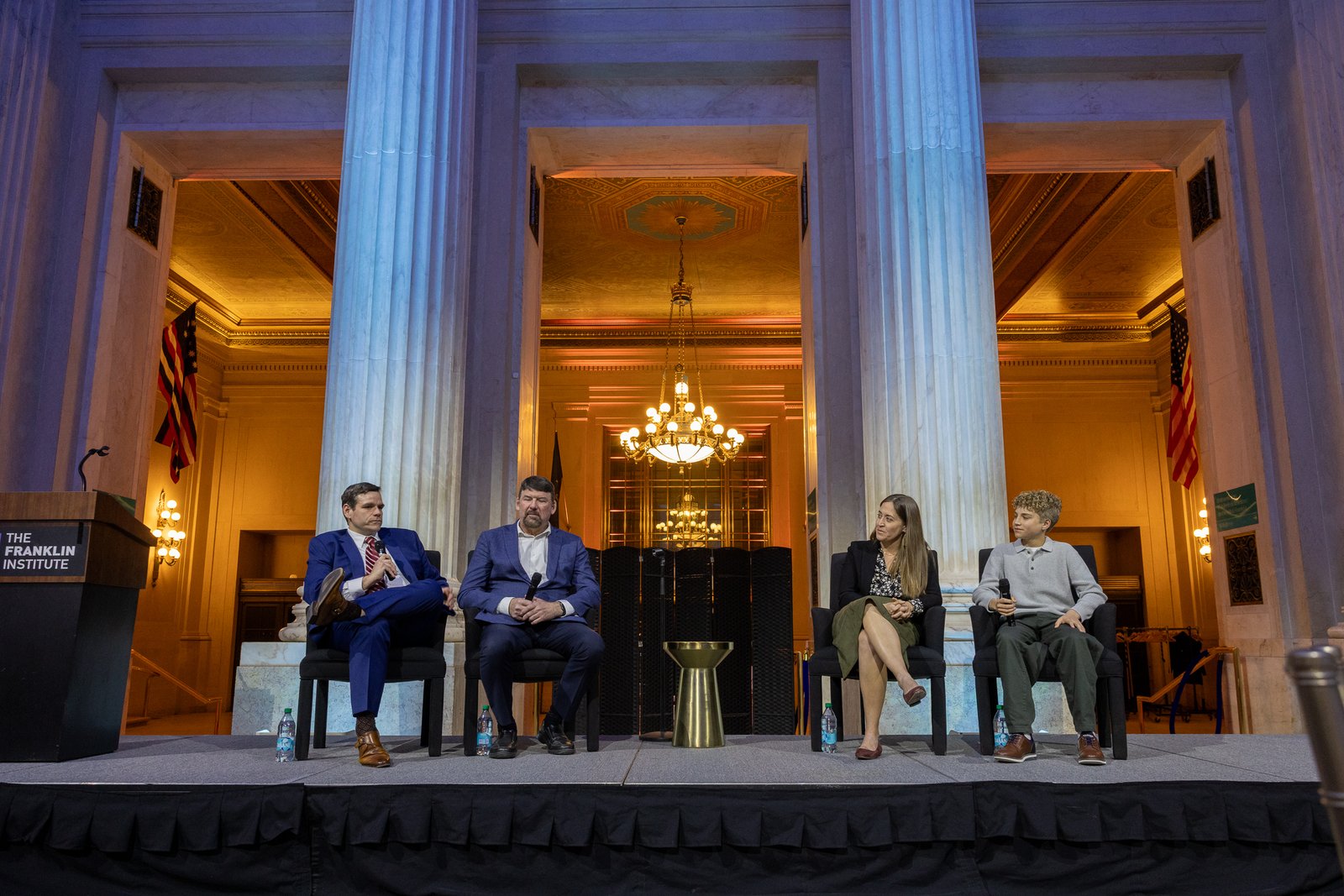
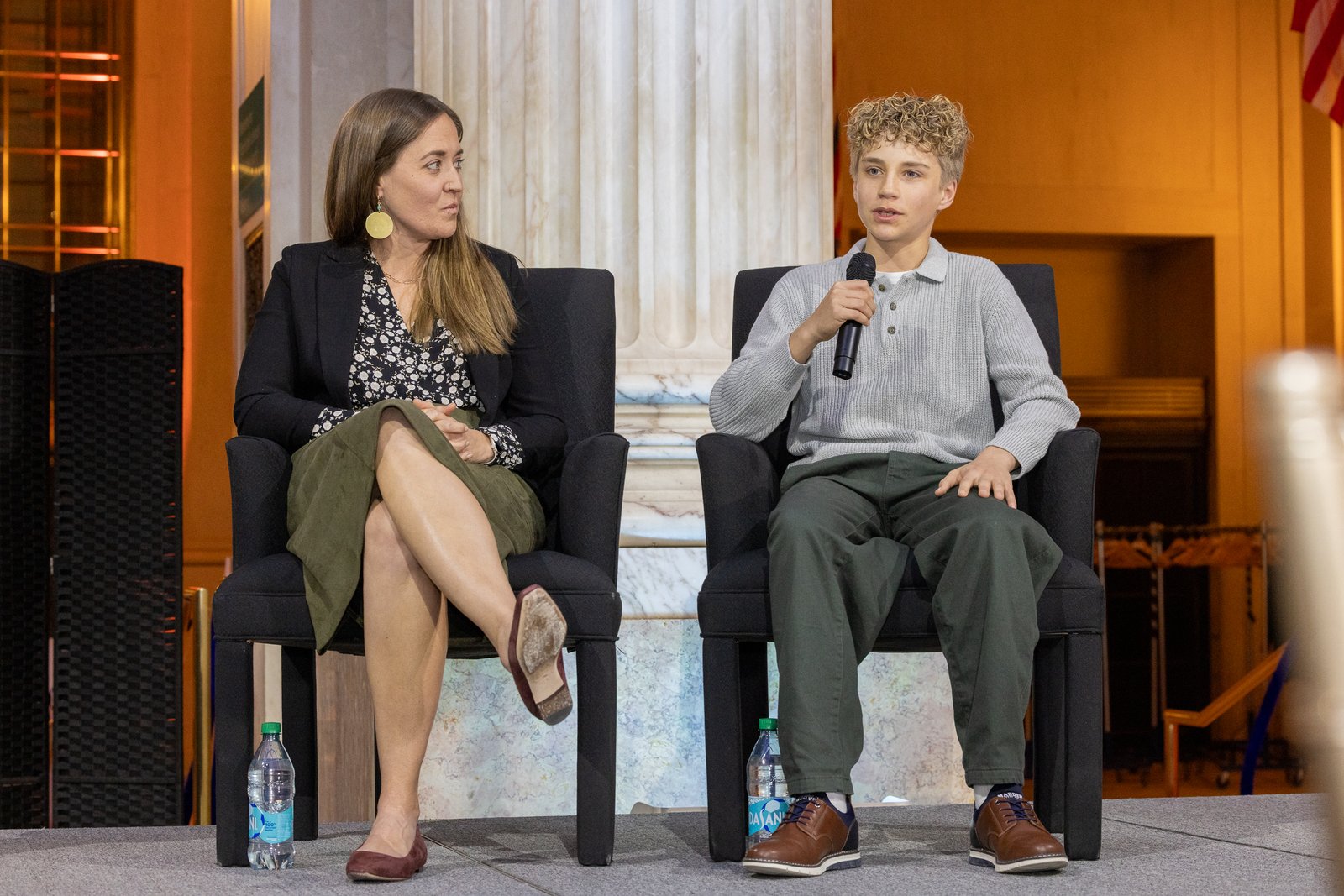
Betsy and Beaudin Larrabee are a mother–son speaking and advocacy duo focused on childhood cancer survivorship, clinical innovation, and life after treatment.Beaudin was diagnosed with Acute Lymphoblastic Leukemia (ALL) at age six following recurrent fevers and hospitalizations. His initial course of treatment proceeded as expected, with a strong early response. Despite this, Beaudin later experienced a CNS-only relapse, shifting his care from established protocols into the uncertain terrain of trial medicine. While preparing to begin relapse therapy, his family connected with the Emily Whitehead Foundation, which supported access to emerging treatment options and clinical trials.Through that pathway, Beaudin enrolled in a CAR T-cell clinical trial at the Children’s Hospital of Philadelphia, receiving his first infusion in March 2021. When CAR T persistence declined, he went on to participate in a humanized CAR T-cell (huCART) trial, receiving a second infusion in August 2021. Although the cells eventually faded, Beaudin’s leukemia did not recur. His family entered a period of watchful waiting, and today Beaudin is a teenager celebrating more than four years cancer-free.Now on the far side of treatment, Betsy and Beaudin speak together about survivorship, clinical decision-making, and the lived experience behind emerging cancer therapies—offering clarity, perspective, and humanity to conversations about medicine, uncertainty, and what comes after survival.

Global Resources, San Diego Innovation.

Join the coalition accelerating patient cures right here in San Diego.
Allogeneic Innovations

Learn about the latest innovations in CAR-NK, CAR-T and γδ T cell therapy.

Helping Start-ups Scale

Hear about the evolving promise of cell and gene therapy through the voices of those who walk the journey alongside patients every day

Network and Engage

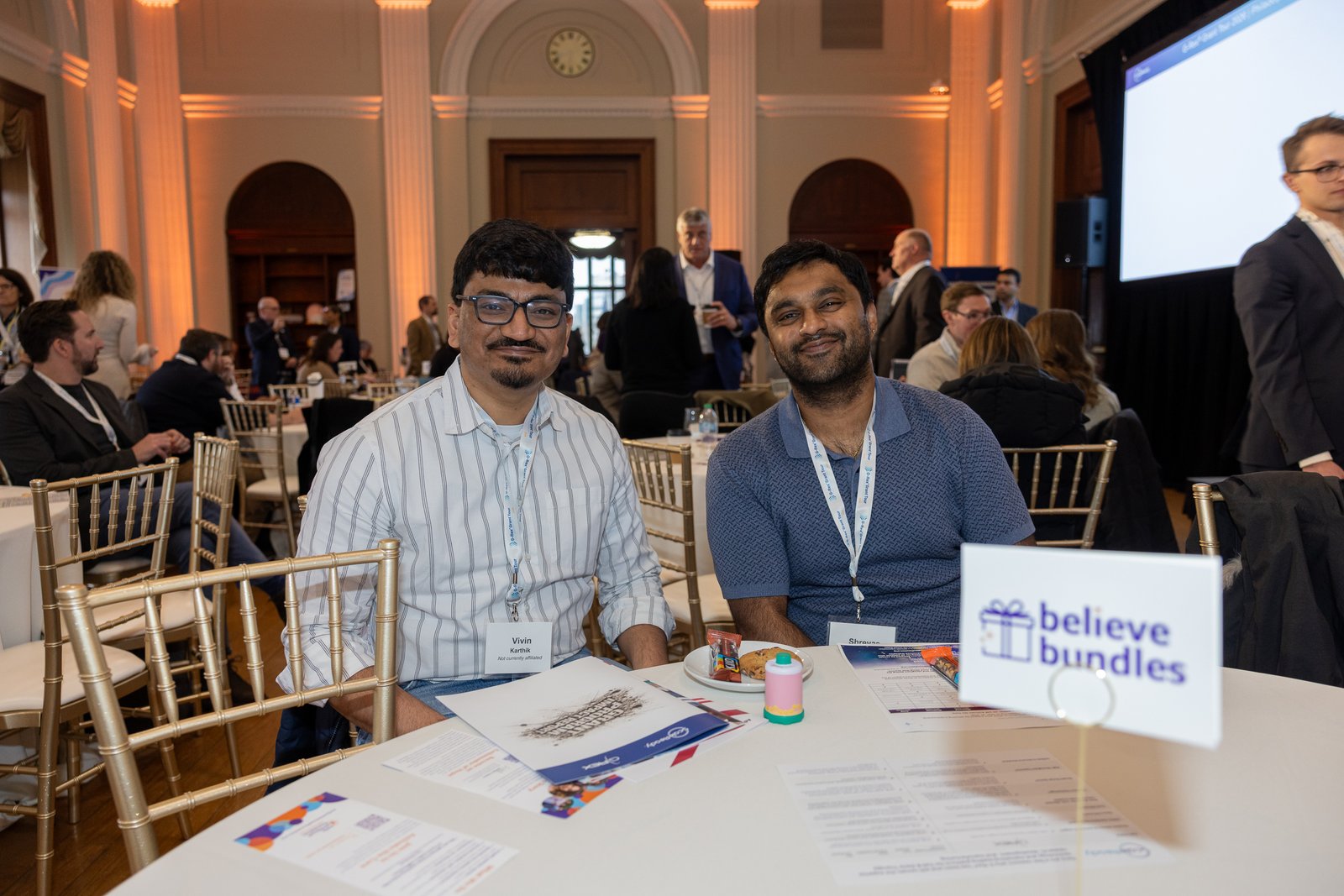
Participate in the "Believe Bundle Creation" and support the Emily Whitehead Foundation’s mission to save lives.

Event Sponsors
Event Essentials

Prepare for a full day of innovation, networking, and impact.

G-Rex Grant Tour

If you're building the future of cell therapy - this is your place

Interested in Sponsoring?

Are you a provider of tools, technology, or services used in research, development, or manufacturing of cell and gene therapies?
Does your innovation pair nicely with G-Rex?
If yes, please consider sponsoring one, some, or all of the G-Rex Grant Tour events.  Your sponsorship is a tax deductible donation to the Emily Whitehead Foundation.

G-Rex Grant Tour San Francisco, CA

G-Rex Grant Tour San Francisco - Supporting Emily Whitehead Foundation

G-Rex® Grant Tour

Supporting the Emily Whitehead Foundation

SAN FRANCISCO

Location

Forum @ Gateway of Pacific. 750 Gateway Boulevard South San Francisco, CA 94080.

Date

Friday, March 27, 2026
10:00AM-7:00PM

Hear from leaders bringing hope to patients through advanced cell & gene therapies

Dr. Steven A. Feldman

Meet Dr. Steven A. Feldman

Dr. Steven A. Feldman is the Site Head and Scientific Director for Stanford’s Laboratory for Cell and Gene Medicine, Stanford’s GMP Manufacturing Facility, where he oversees the process development, technology transfer and manufacturing of novel cell and gene therapy products making their way to the clinic.
Dr. Andras Attila Heczey

Meet Dr. Andras Attila Heczey

Andras Attila Heczey, M.D., is an Associate Professor in the Department of Pediatrics, Section of Pediatric Hematology and Oncology at Baylor College of Medicine in Houston, Texas, and a member of the Dan L Duncan Comprehensive Cancer Center. He is a physician-scientist and full-time faculty within the multidisciplinary solid tumor team and the Center for Cell and Gene Therapy (CAGT), where he develops next-generation cellular immunotherapies for pediatric and adult solid tumors.Dr. Heczey earned his M.D. from Semmelweis Medical University in Budapest, Hungary, and completed residency training at Children’s Hospital Los Angeles, followed by fellowship training at Baylor College of Medicine affiliate hospitals. Board certified in General Pediatrics and Pediatric Hematology and Oncology, he is an active member of ASCO, the Children’s Oncology Group, the American Society of Cell and Gene Therapy, and AACR.His research focuses on redirecting the immune system to recognize and eliminate cancer cells through engineered immune-cell platforms and synthetic immunology. He led the first adoptive immunotherapy approach using genetically modified Natural Killer T cells to target neuroblastoma, now evaluated in the GINAKIT2 Phase 1 clinical trial for children with relapsed or refractory high-risk disease. As Director of the Liver Tumor Center, he has advanced innovative strategies using genetically engineered T lymphocytes to treat hepatoblastoma and hepatocellular carcinoma, expanding these approaches across multiple solid cancers. Supported by major funding from CPRIT, the NIH, and ALSF, Dr. Heczey continues to advance cellular therapy programs aimed at delivering durable, curative responses for patients with solid tumors.
Dr Shahab Asgharzadeh

Meet Dr. Shahab Asgharzadeh

Shahab Asgharzadeh, MD, is a Professor of Pediatrics at the University of Southern California and a pediatric oncologist at Children’s Hospital Los Angeles (CHLA). He serves as Interim Research Director of CHLA’s Cancer and Blood Diseases Institute and leads both the Neuroblastoma Basic and Translational Research Program and the Spatial Biology & Sequencing Core at The Saban Research Institute.Dr. Asgharzadeh received his BS in Biomedical Engineering from Northwestern University and his MD from the University of Illinois. He completed pediatric residency training and a fellowship in clinical medical ethics at the University of Chicago, followed by fellowship training in pediatric hematology-oncology at CHLA. He has been recognized with multiple honors, including designation as a Top Doctor by Pasadena Magazine, the Walter Laug Distinguished Teaching Award, and the American Cancer Society’s Determination Award.Dr. Asgharzadeh’s research program focuses on elucidating the tumor microenvironment and developing novel immunotherapeutic strategies, including cellular therapies, for children with solid tumors and brain tumors. His laboratory was among the first to characterize tumor-associated macrophages in pediatric neuroblastoma and medulloblastoma, helping to reshape understanding of immune contributions to childhood cancer biology. His current work is directed toward engineering next-generation cellular therapies capable of overcoming the profoundly immunosuppressive environments of pediatric solid and brain tumors. In parallel, his group is advancing spatially resolved analyses of pediatric cancers as part of the National Cancer Institute’s Human Tumor Atlas Network consortium.
Dr. Ross Wilson

Meet Dr. Ross Wilson

Ross Wilson, Ph.D., is a leading researcher in the field of genome editing. He currently serves as an Assistant Adjunct Professor in the Department of Molecular and Cell Biology at UC Berkeley and is the Director of Therapeutic Delivery at the Innovative Genomics Institute (IGI).Dr. Wilson’s work is primarily focused on overcoming the "delivery problem", the challenge of safely and effectively transporting genome-editing enzymes (like CRISPR-Cas9) into specific cells within the human body. Key aspects of his research include:- Cell-Targeted Delivery: Engineering CRISPR enzymes to facilitate targeted delivery to specific tissues or organs, such as the liver, the brain, and immune cells (T cells). - In Vivo Therapeutics: Developing methods for "in vivo" editing (inside the body) to replace more complex "ex vivo" procedures, with the goal of making genetic medicines more accessible and affordable. - Molecular Engineering: Utilizing protein and RNA engineering to create self-contained delivery vectors that can navigate biological barriers like the endosome.Dr. Wilson earned his B.S. and Ph.D. in Biochemistry from The Ohio State University. Before establishing his own lab, he conducted postdoctoral research in the laboratory of Nobel Laureate Jennifer Doudna at UC Berkeley, where he studied the biogenesis of microRNAs and the structural biology of RNA-protein complexes. His lab at the IGI was initially launched through a unique collaboration with Pfizer, reflecting his long-standing interest in bridging the gap between fundamental academic research and direct medical applications. Beyond his technical research, Dr. Wilson is a vocal advocate for the democratization of genetic medicine, publishing and speaking on the economics and accessibility of CRISPR-based therapies.
Dr. Ramya Tunuguntla

Meet Dr. Ramya Tunuguntla

Ramya Tunuguntla, PhD, is the Director of Process Development and Manufacturing at the Stanford Medicine Center for Cancer Cell Therapy and a leading scientist in cell and gene therapy manufacturing. Trained as a bioengineer and nanomaterials scientist, she has over 12 years of experience developing innovative biomaterials-based and cellular therapy platforms for cancer treatment. Prior to Stanford, Dr. Tunuguntla held leadership roles at PACT Pharma and served as a Materials Research Scientist at Lawrence Livermore National Laboratory, where her work on artificial membrane channels helped bridge biology, nanomaterials, and electronics. Her current research spans non-viral CRISPR-based electroporation platforms, nanoparticle library screening to identify patient-specific neoepitopes, and the integration of manufacturing innovation with clinical outcomes. At Stanford, she leads early process development and large-scale GMP manufacturing of engineered T-cell therapies, including investigator-initiated Phase I CAR-T trials, with a focus on closed-system, scalable, and clinically translatable workflows.
Dr. Ke Li

Meet Dr. Ke Li

Dr. Ke Li is the Scientific Director of the Investigational Cellular Therapy Program in the Department of Laboratory Medicine at the University of California, San Francisco (UCSF). Dr. Li leads process and analytical development efforts for ex vivo cellular therapies targeting hematologic malignancies, solid tumors, and rare diseases.His work focuses on optimizing non-viral genome and epigenome engineering platforms and has been instrumental in the development and clinical translation of UCSF’s first CRISPR-engineered CAR-T therapy towards clinical manufacturing. Dr. Li brings extensive experience in CMC strategy, IND-enabling studies, regulatory affairs, and technology transfer, and has led multiple collaborations spanning academia and industry.Dr. Li earned his Ph.D. in Molecular Genetics from Albert Einstein College of Medicine and completed postdoctoral training at the Howard Hughes Medical Institute.
Chris Brown

Meet Mr. Chris Brown

Chris Brown is the Director of GMP Technical Operations, leading the Manufacturing/Process Development and Quality Control teams within Seattle Children’s Therapeutic Cell Production Core. He has more than 25 years of experience in the manufacturing of cellular products for Phase 1 and 2 clinical trials. Since joining Seattle Children’s in 2010, he has overseen GMP manufacturing operations for 17 INDs enrolling over 600 clinical trial participants, as well as serving as an advisor and auditor for other academic GMP facilities. Prior to joining Seattle Children’s, he oversaw GMP operations at the Fred Hutchinson Cancer Research Center and participated in the buildout and operation of a similar facility at the University of Washington. He holds a BA from Carleton College
Dr. Sohel Talib

Meet Dr. Sohel Talib

Sohel Talib, PhD, is a Fellow at California Institute for Regenerative Medicine (CIRM). He is responsible for developing and implementing CIRM’s scientific programs and managing a portfolio of clinical stage grants utilizing hematopoietic stem cell gene therapy approaches for the treatment of hemoglobinopathies, Primary Immune Deficiency diseases (PID), HIVAIDS, and cancer. His scientific background is in stem cell and gene therapy research, and he has spent 20 years in the biotech industry. Before joining CIRM, Dr. Talib was the Director of Product Development at Geron Corporation, where he directed immune-oncology program on the development of an autologous dendritic cell vaccine for cancer (Geron VAC-1). Prior to Geron Corporation, he served as the Director of Immunology at Cerus Corporation, a biotech company developing novel allogeneic stem cell therapy for the hematological malignancies. Dr. Talib was a cofounder of Applied Immune Sciences (AIS), which was acquired by Rhone Poulenc Rorer (RPR, currently Sanofi). At RPR Gen Cell, he directed the development and execution of adoptive immunotherapy programs. Dr. Talib represented CIRM at the National Academy of Sciences Forum on Regenerative Medicine. Dr. Talib received his post-doctoral training at Stanford University, University of California, Berkeley and Roche Institute of Molecular Biology, Nutley. He obtained his Ph.D. in Biochemistry from Aligarh University, India and International DANIDA fellowship from Danish Institute of Protein Chemistry, Copenhagen.
Marci McCue

Meet Ms. Marci McCue

Marci McCue is a Bay Area native who’s spent her career working in tech marketing. Today she is part of the founding team at Flipboard and works alongside her husband Mike McCue. Together they have four children ranging in age from 17 to 26. In 2010, Marci was diagnosed with Multiple Sclerosis and, in 2024, she became the first patient in an FDA approved trial treat MS with CAR T cell therapy.
Dr. Kanika Chawla

Meet Dr. Kanika Chawla

Kanika Chawla, Ph.D. is a biotechnology executive and CMC leader with extensive experience advancing biologics and cell therapies from early development through pivotal manufacturing and regulatory readiness. She is Founder of Kanika Chawla Bio Consulting and a Senior Consultant at Pharmefex Consulting, where she advises biotechnology companies on CMC strategy, process development, technology transfer, CDMO selection, and regulatory submissions. Previously, Dr. Chawla served as Vice President of Process Sciences at CARGO Therapeutics, where she built and led a multidisciplinary organization supporting pivotal autologous and allogeneic CAR-T programs and late-stage manufacturing readiness. Earlier roles at Arsenal Biosciences, Vir Biotechnology, and Cellerant Therapeutics included leadership across process development, analytical strategy, manufacturing scale-up, and regulatory interactions supporting multiple IND filings and late-stage programs. Dr. Chawla holds a Ph.D. and M.S. in Bioengineering from the University of California, San Diego and a B.S. in Chemical Engineering from the University of New Mexico. She is widely recognized for building high-performing teams and translating innovative science into scalable manufacturing strategies.
Ms. Lori Hu

Meet Ms. Lori Hu

Lori Hu is Managing Director at Vertex Ventures HC, a global healthcare venture capital firm. Vertex Ventures HC invests globally in biotechnology and medical technologies, and its portfolio includes notable ex vivo cell and gene therapy developers such as Sonoma Biotherapeutics, Indapta Therapeutics, Obsidian Therapeutics, and ElevateBio.Ms. Hu currently serves on the boards of several venture-backed and public companies, including TORL, SonoThera, Palleon Pharmaceuticals, and Neuspera Medical. Her investment portfolio spans oncology, gene therapy, immunology, and neuromodulation.Prior to joining Vertex Ventures HC, Ms. Hu worked in venture capital at SR One, GlaxoSmithKline’s independent healthcare venture fund, and in business development at Bristol-Myers Squibb focusing on licensing and strategic partnerships. She began her career as a management consultant at Accenture advising healthcare organizations globally.Ms. Hu holds an MBA from The Wharton School and a B.S. in Biomedical Engineering from Duke University.
Mr. Ignacio Nunez, M.Sc., MBB

Meet Mr. Ignacio Nunez, M.Sc., MBB

Ignacio Nunez is a seasoned operator and manufacturing executive with deep expertise in biologics, cell and gene therapies, and complex GMP manufacturing systems. He has spent his career helping organizations translate breakthrough therapies into scalable, reliable operations.Most recently, Ignacio served as Chief Operating Officer of CellReady, where he led the company’s operational expansion in the cell and gene therapy space. He drove large-scale organizational and manufacturing transformations, delivering material reductions in capital expenditure and development timelines while strengthening GMP manufacturing, quality systems, and supply chain performance across collaborations with global biopharma, emerging biotech, academic institutions, investors, and CDMOs/CROs.Earlier, Ignacio contributed hands-on to the industrialization and commercialization of next-generation therapies, including some of the first FDA-approved cell and gene therapies. He founded BioExcellence to bring operator-led execution to clients—developing high-throughput manufacturing and operational excellence models adopted in the design and optimization of large-scale cell therapy production facilities.Ignacio holds B.S. and M.Sc. degrees in Chemical Engineering from the University of Granada and is a certified Lean Six Sigma Master Black Belt.

Global Resources, San Francisco Innovation.

Join the coalition accelerating patient cures right here in San Francisco.
Tackling Solid Tumors

Dive deep into 'The Last Frontier' of cancer therapy with pioneers from MD Anderson to Baylor College of Medicine

State of CGT in San Francisco

Engage with experts shaping the future of the San Francisco biotech ecosystem.

Network and Engage

Participate in the "Believe Bundle Creation" and support the Emily Whitehead Foundation’s mission to save lives.

Event Sponsors
Event Essentials

Prepare for a full day of innovation, networking, and impact.

March 27 Friday

Mark your calendar

10:00 AM - 7:00 PM

G-Rex Grant Tour

If you're building the future of cell therapy - this is your place

Interested in Sponsoring?

Are you a provider of tools, technology, or services used in research, development, or manufacturing of cell and gene therapies?
Does your innovation pair nicely with G-Rex?
If yes, please consider sponsoring one, some, or all of the G-Rex Grant Tour events.  Your sponsorship is a tax deductible donation to the Emily Whitehead Foundation.

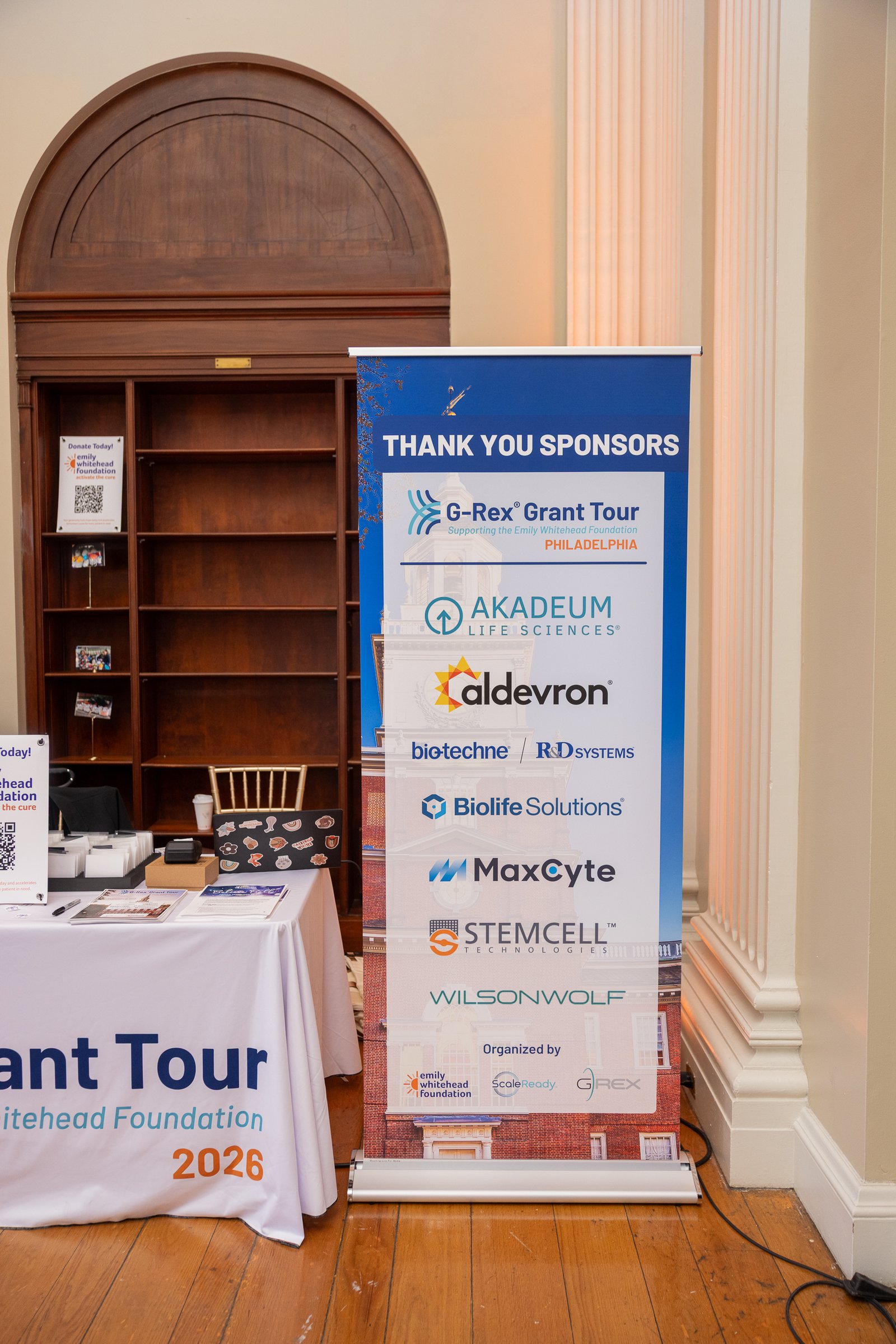
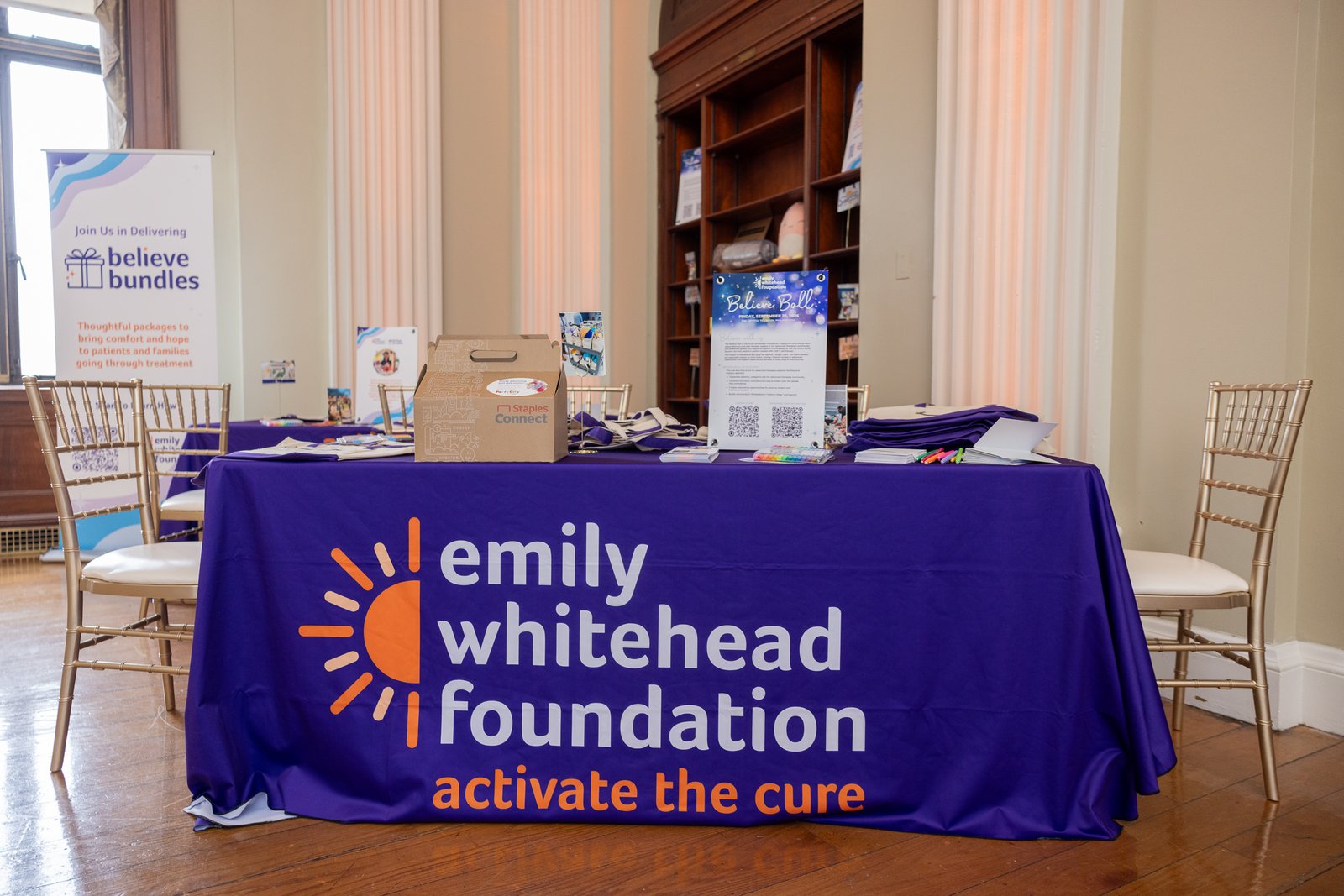
G-Rex Grant Tour Philadelphia, PA

G-Rex Grant Tour Philadelphia - Supporting Emily Whitehead Foundation

G-Rex® Grant Tour

Supporting the Emily Whitehead Foundation

PHILADELPHIA

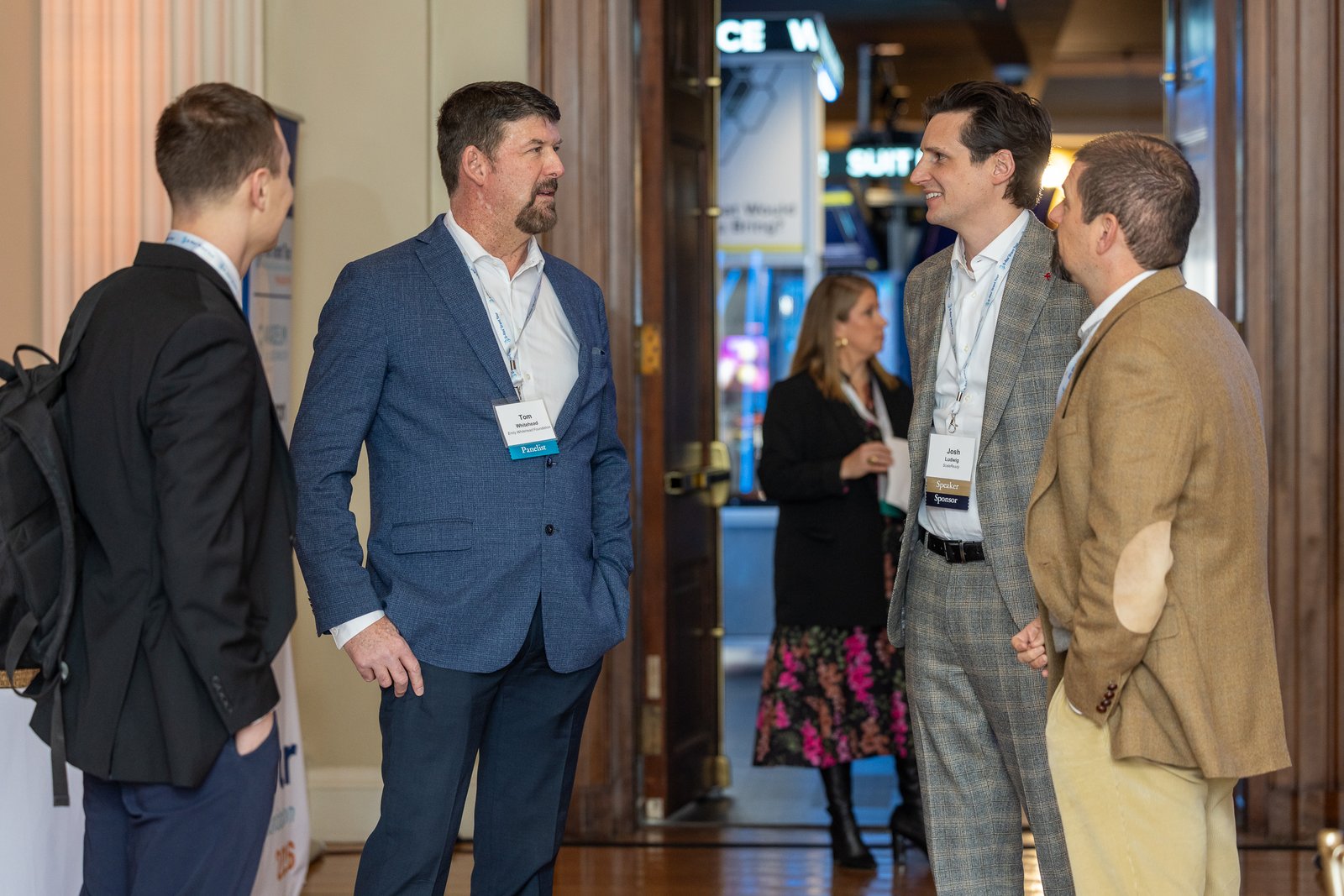
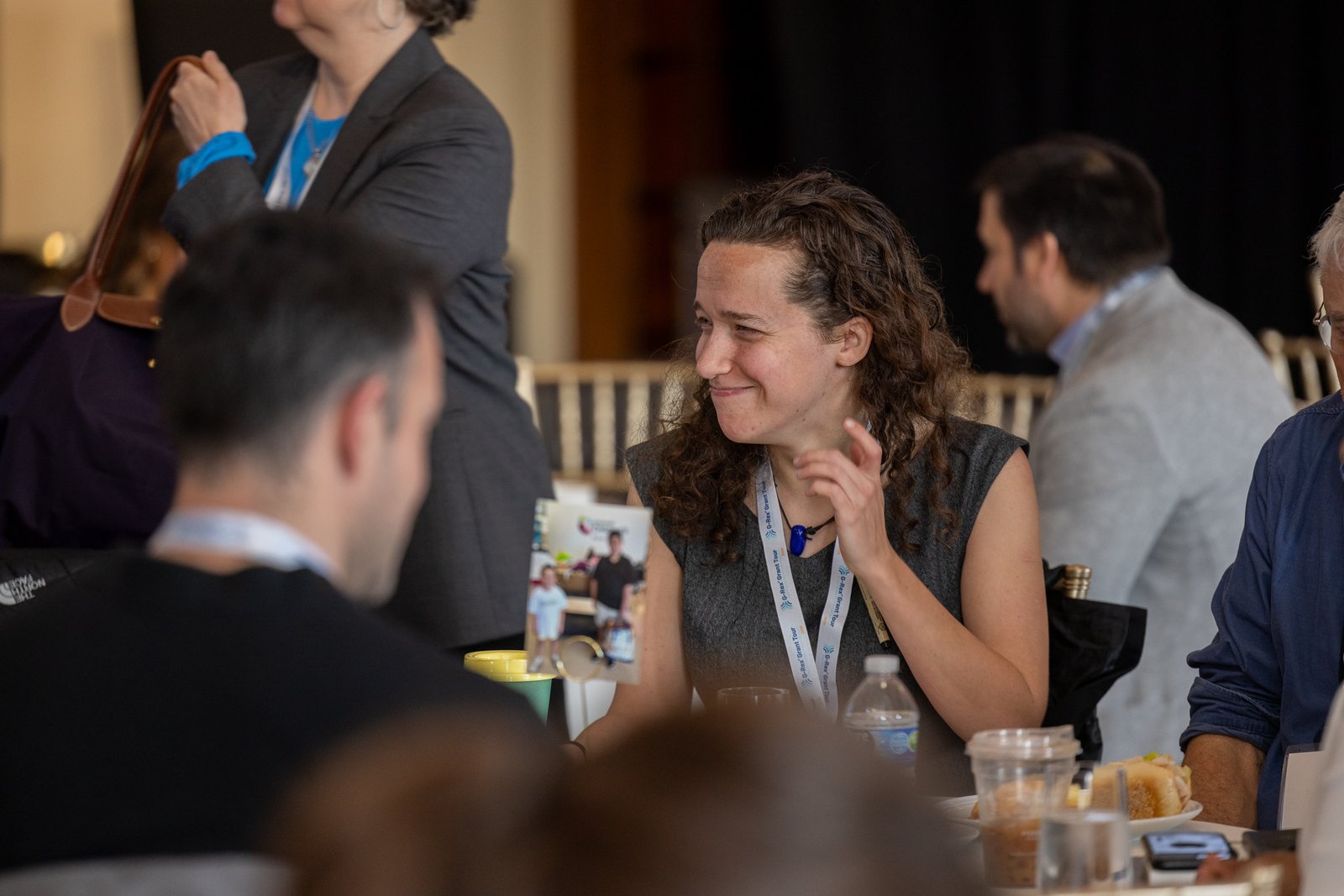
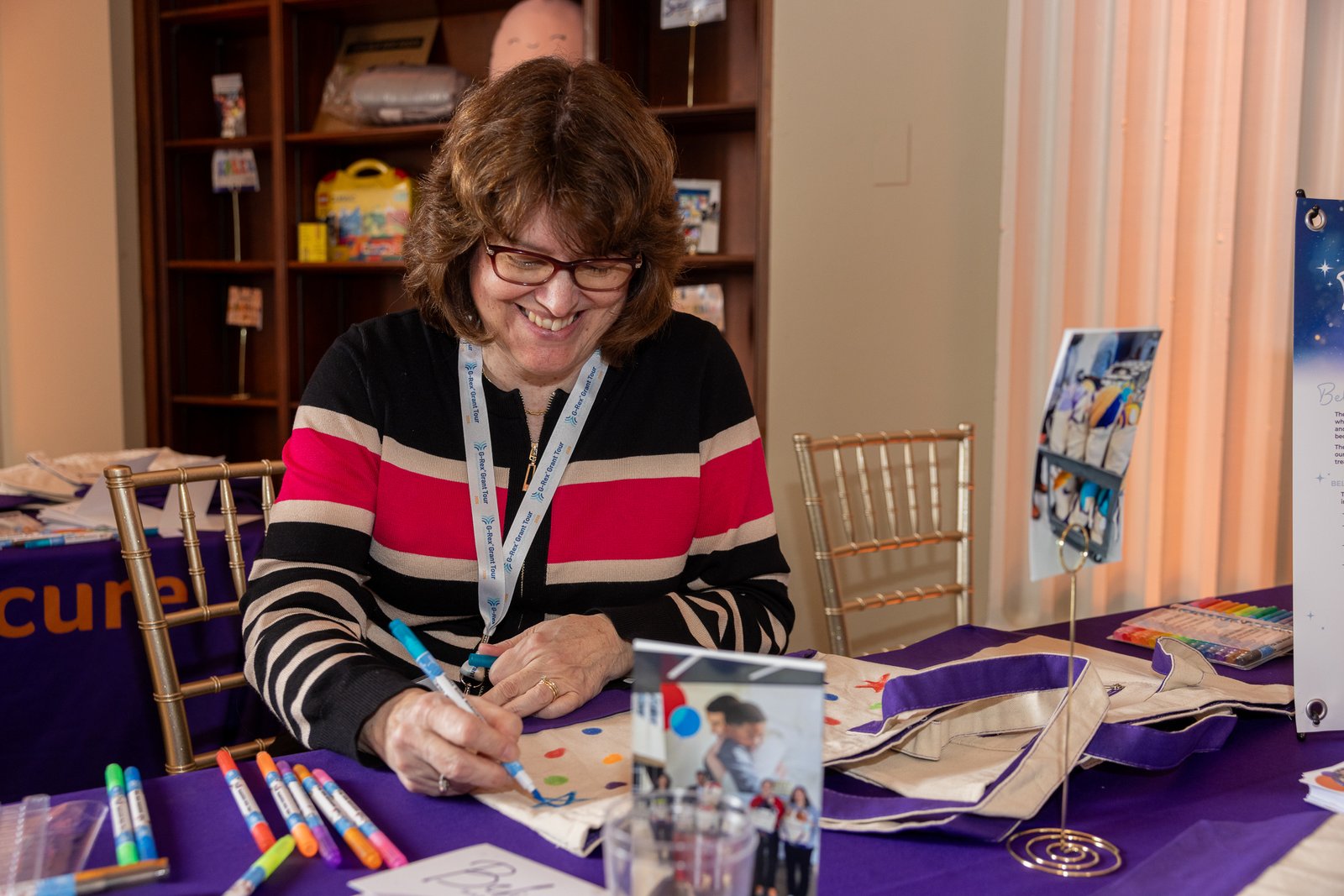
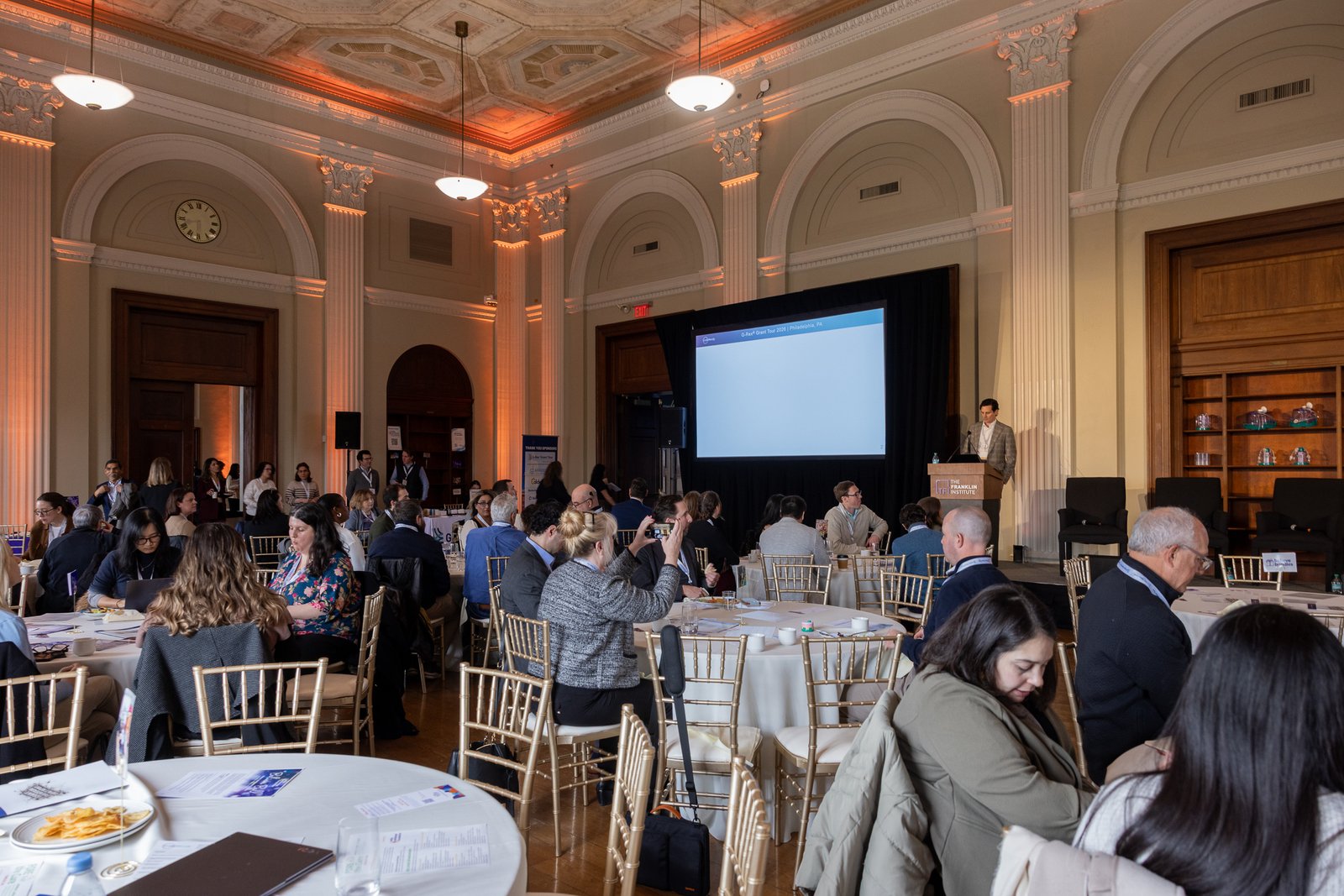
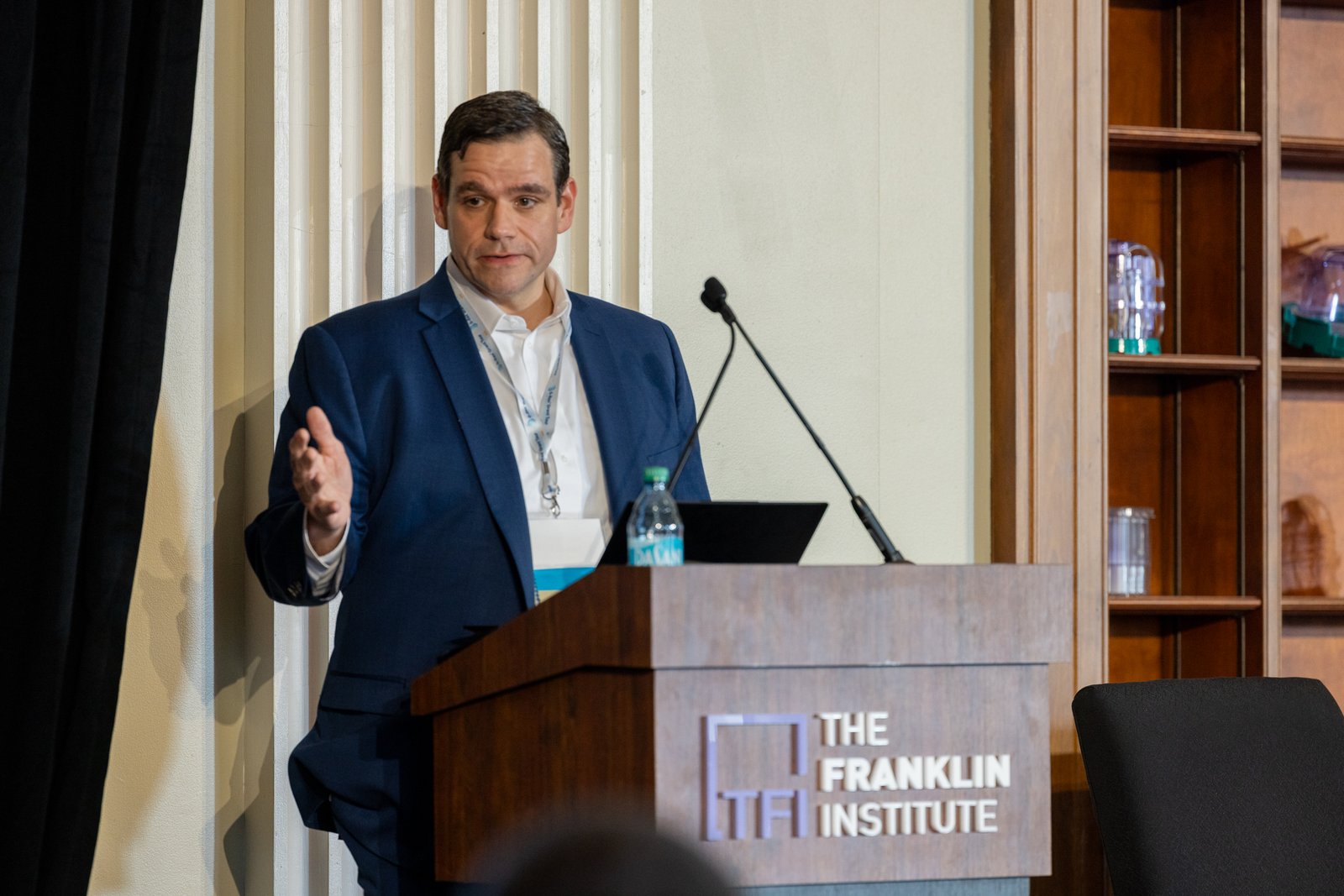
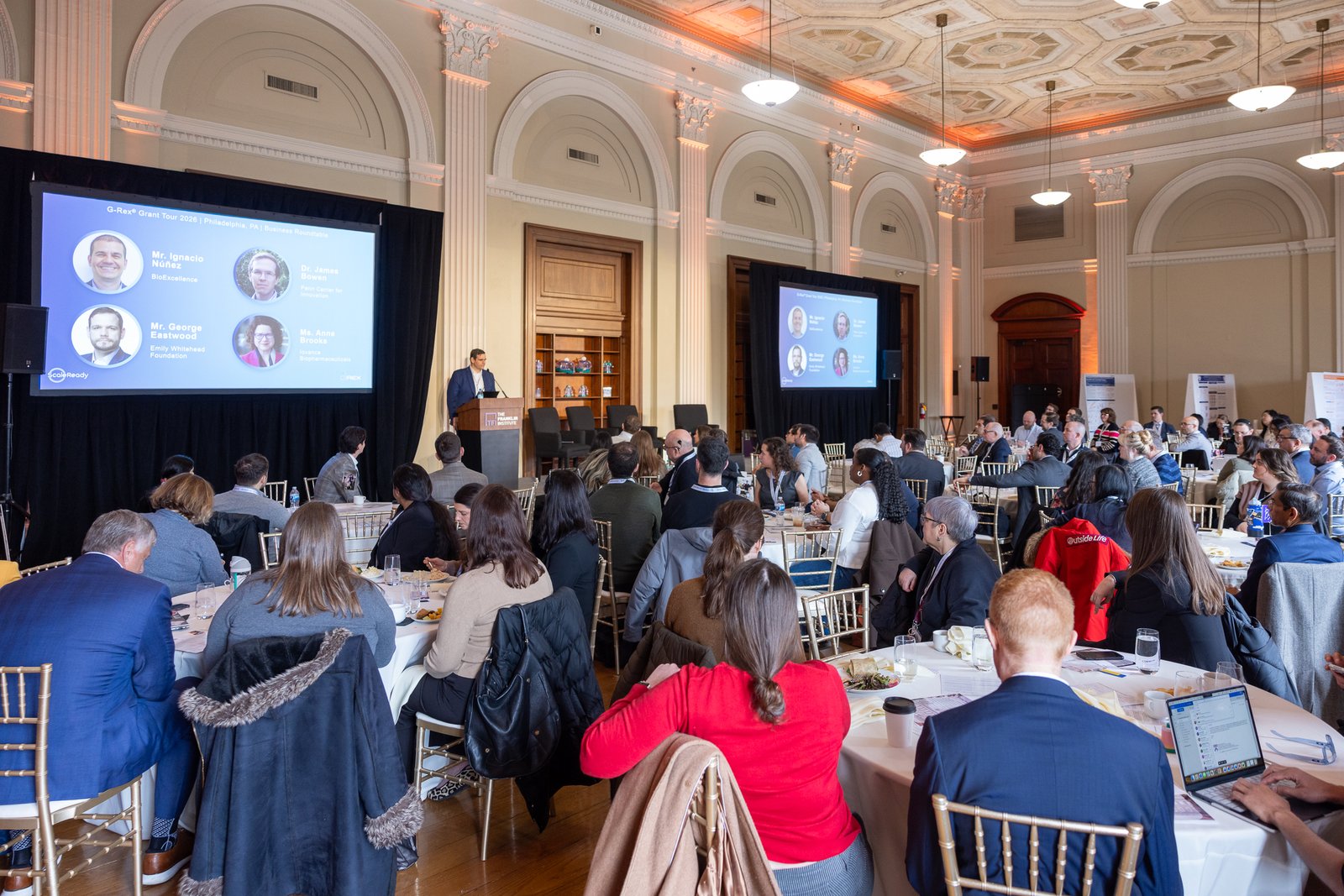
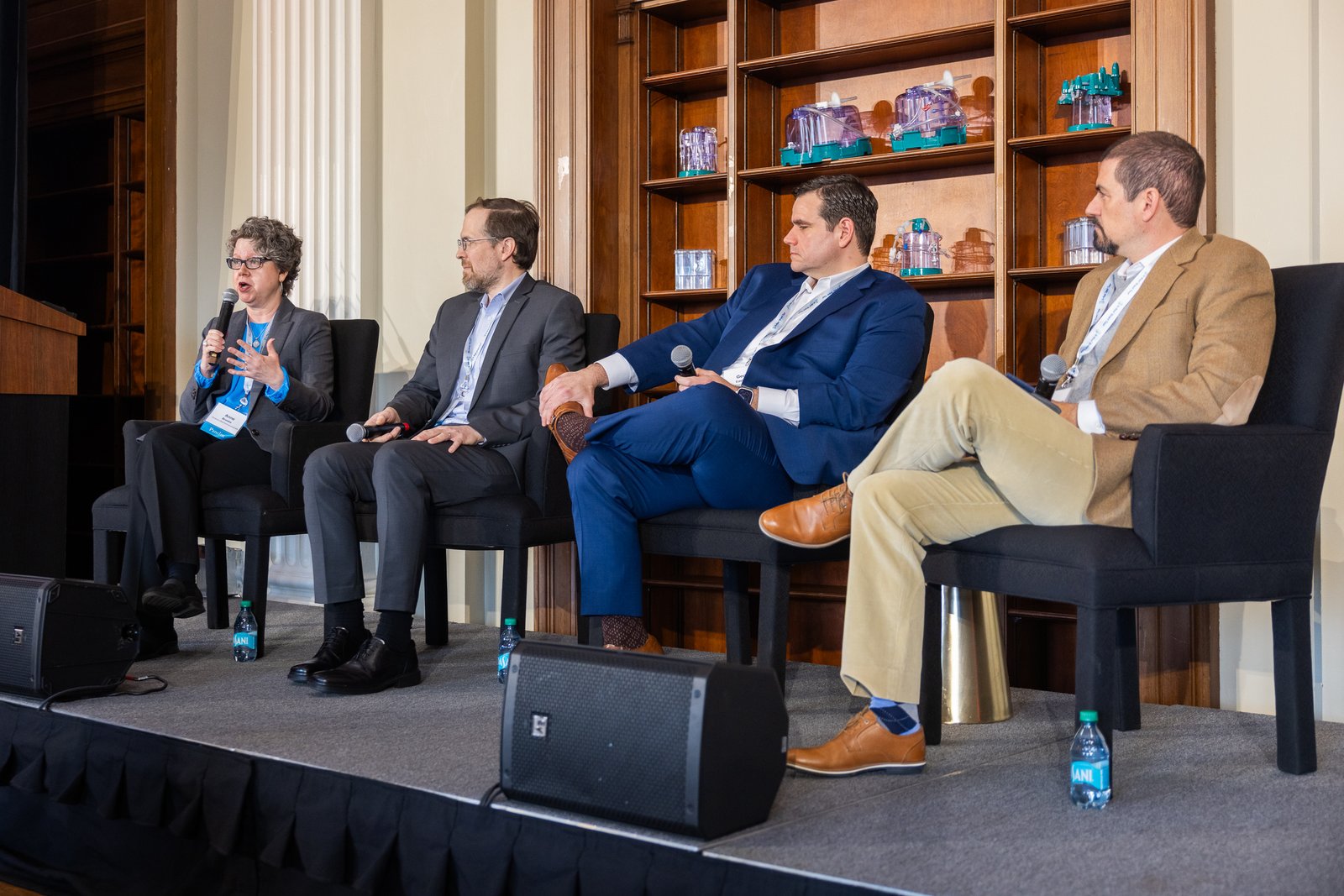
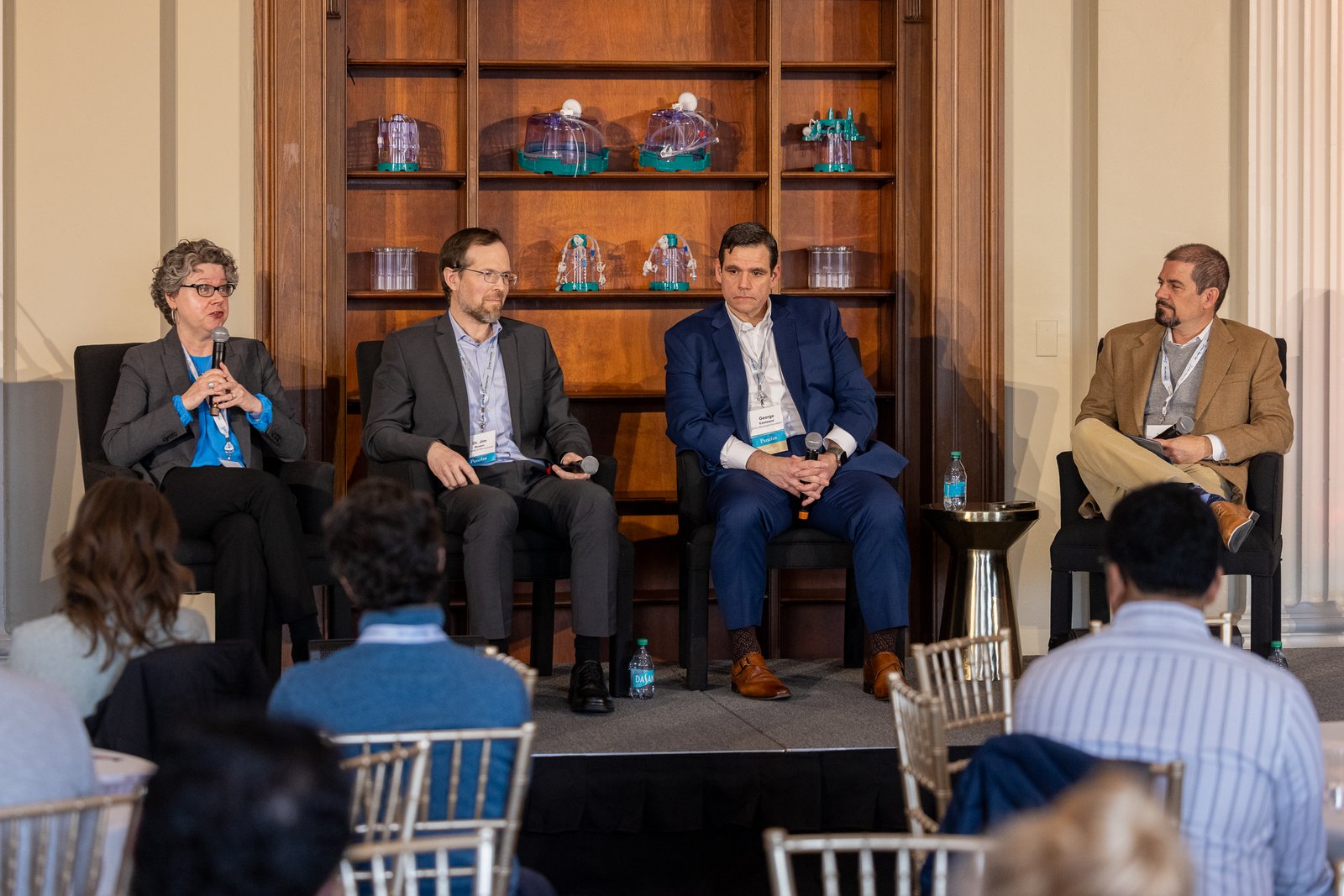
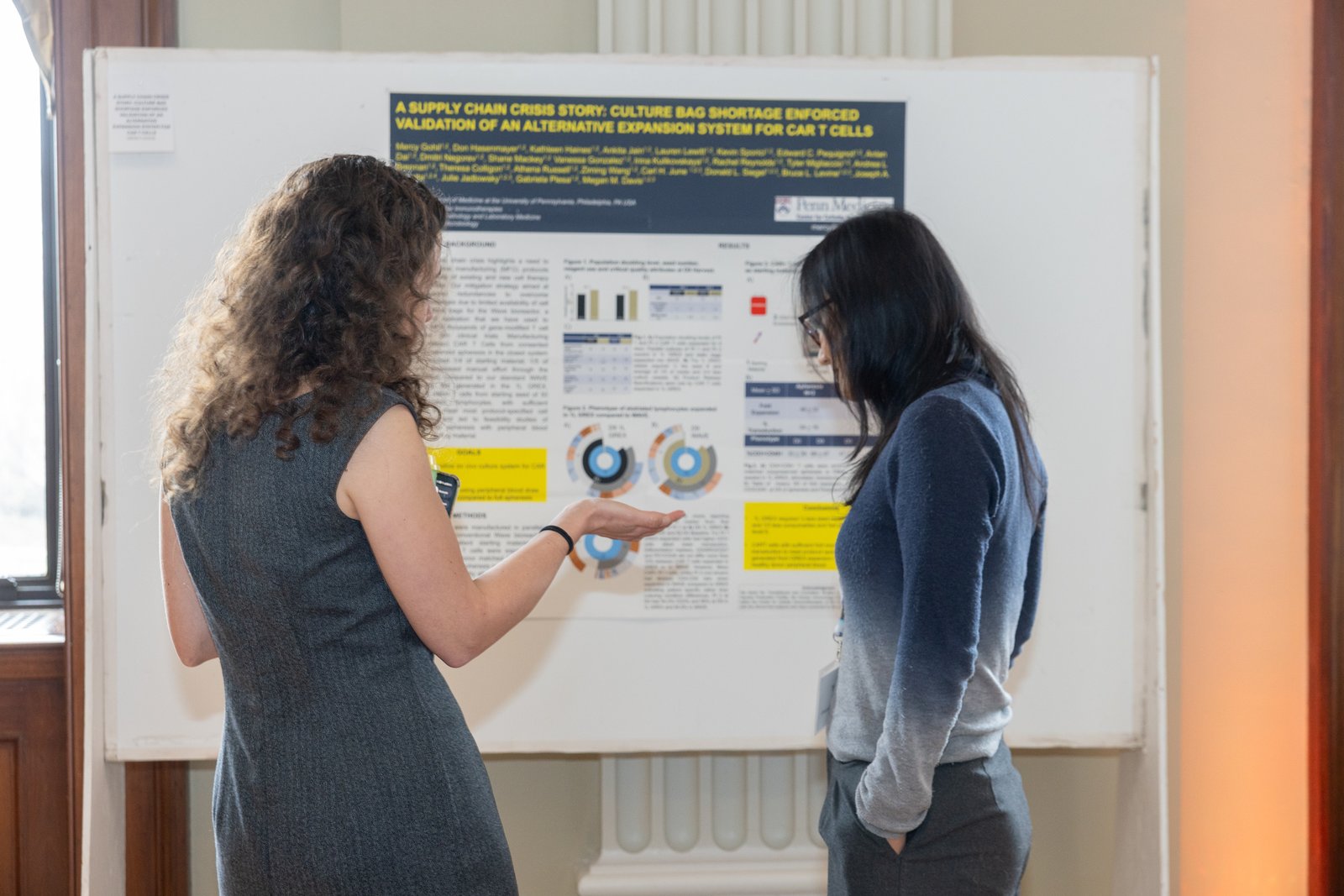
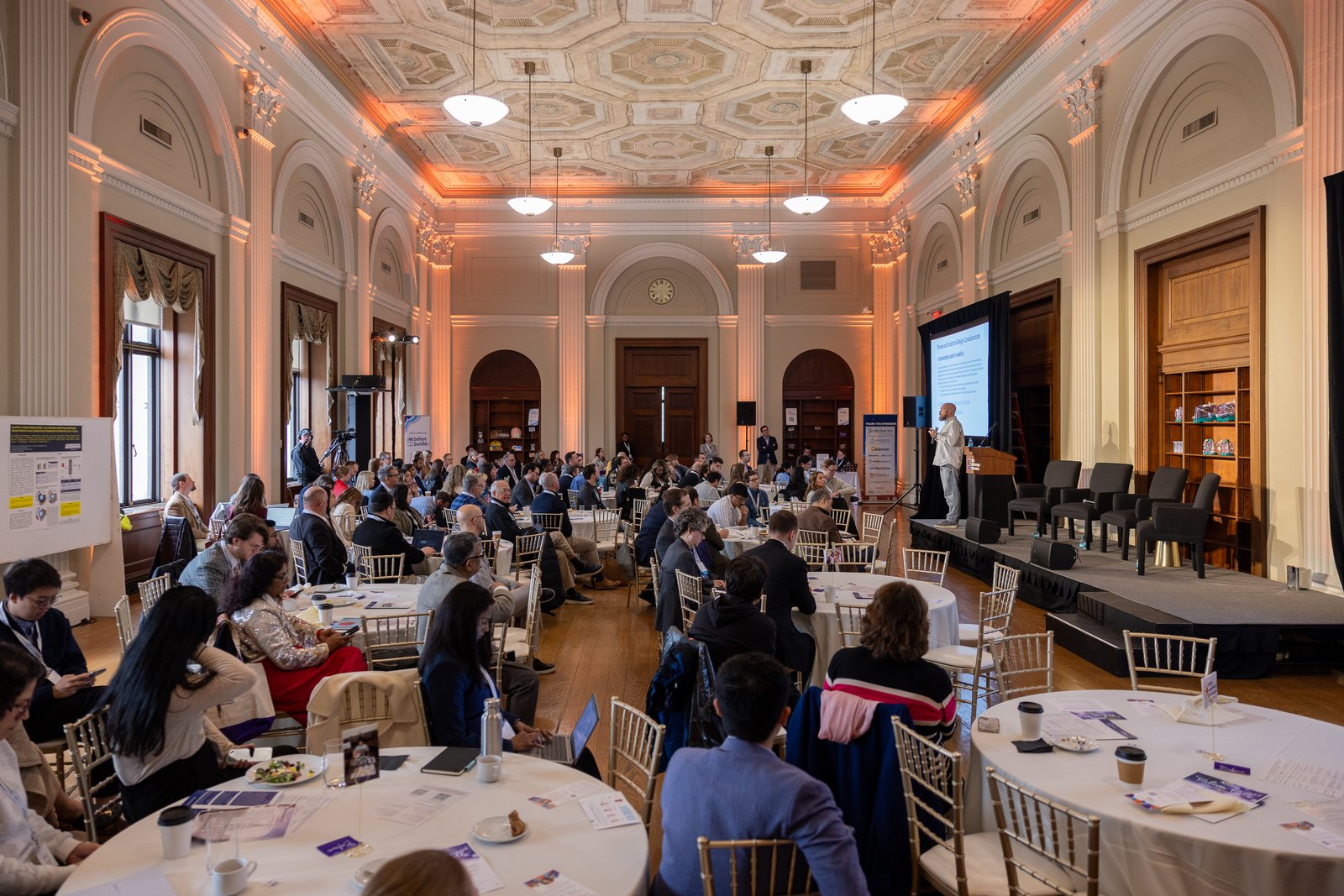
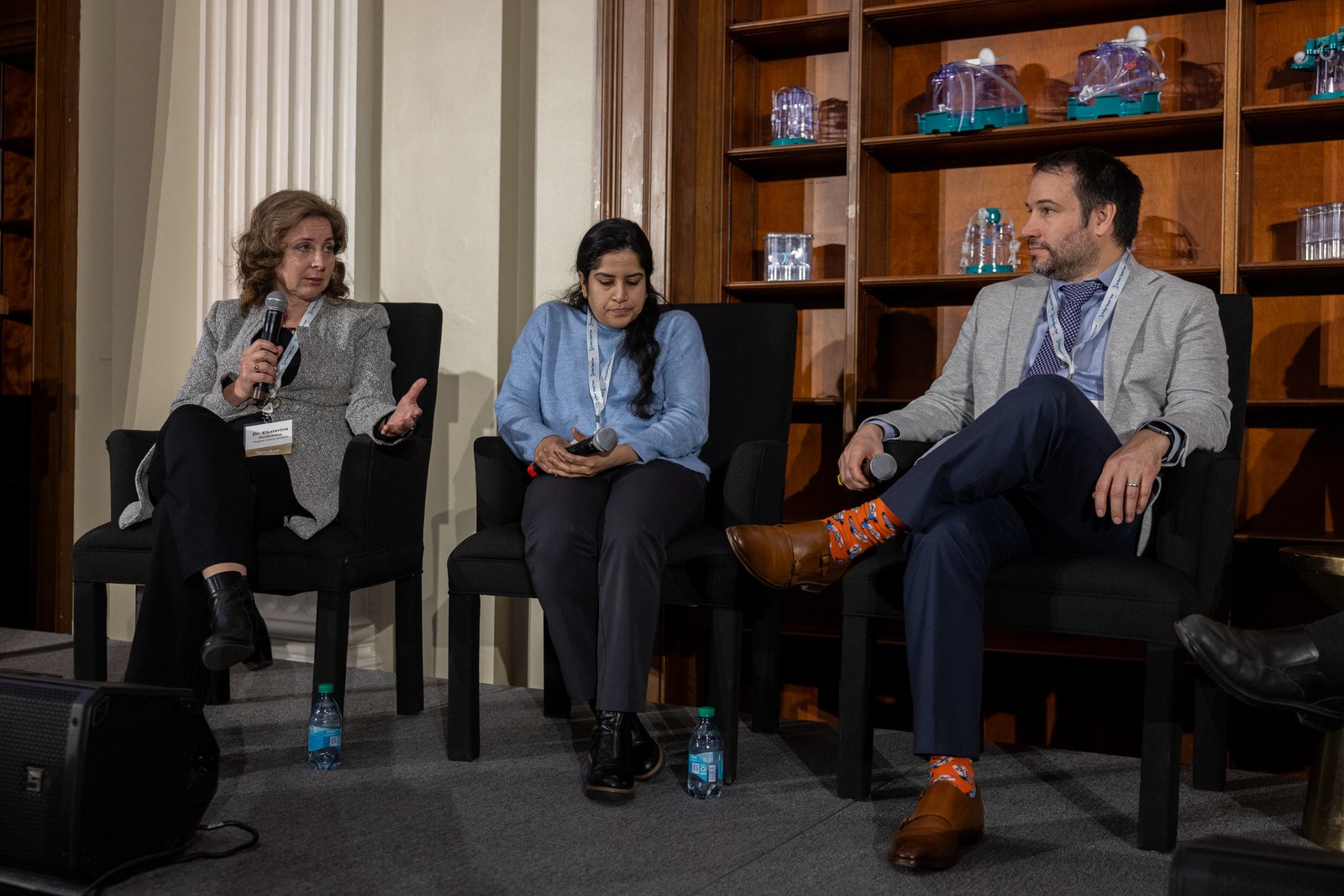
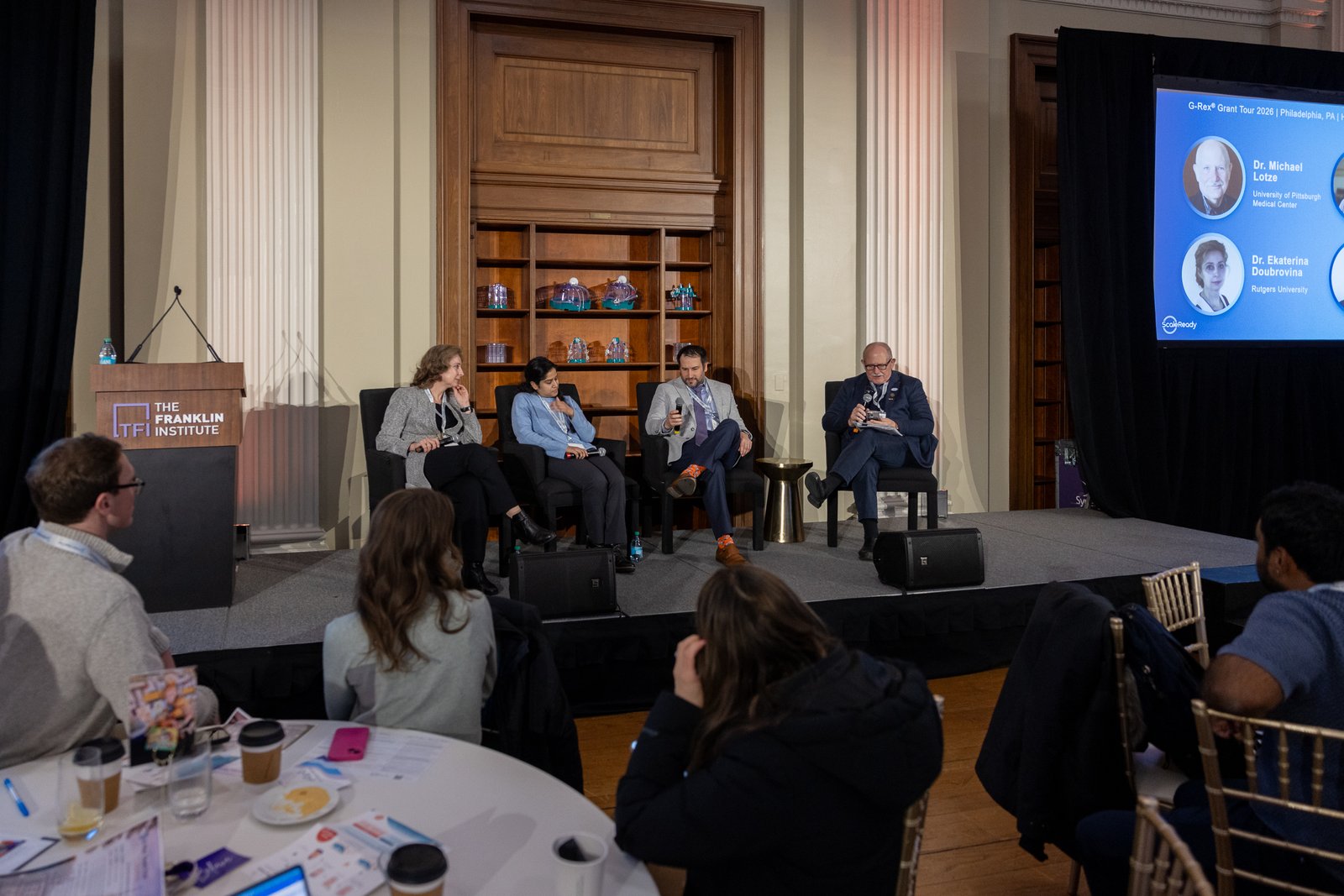
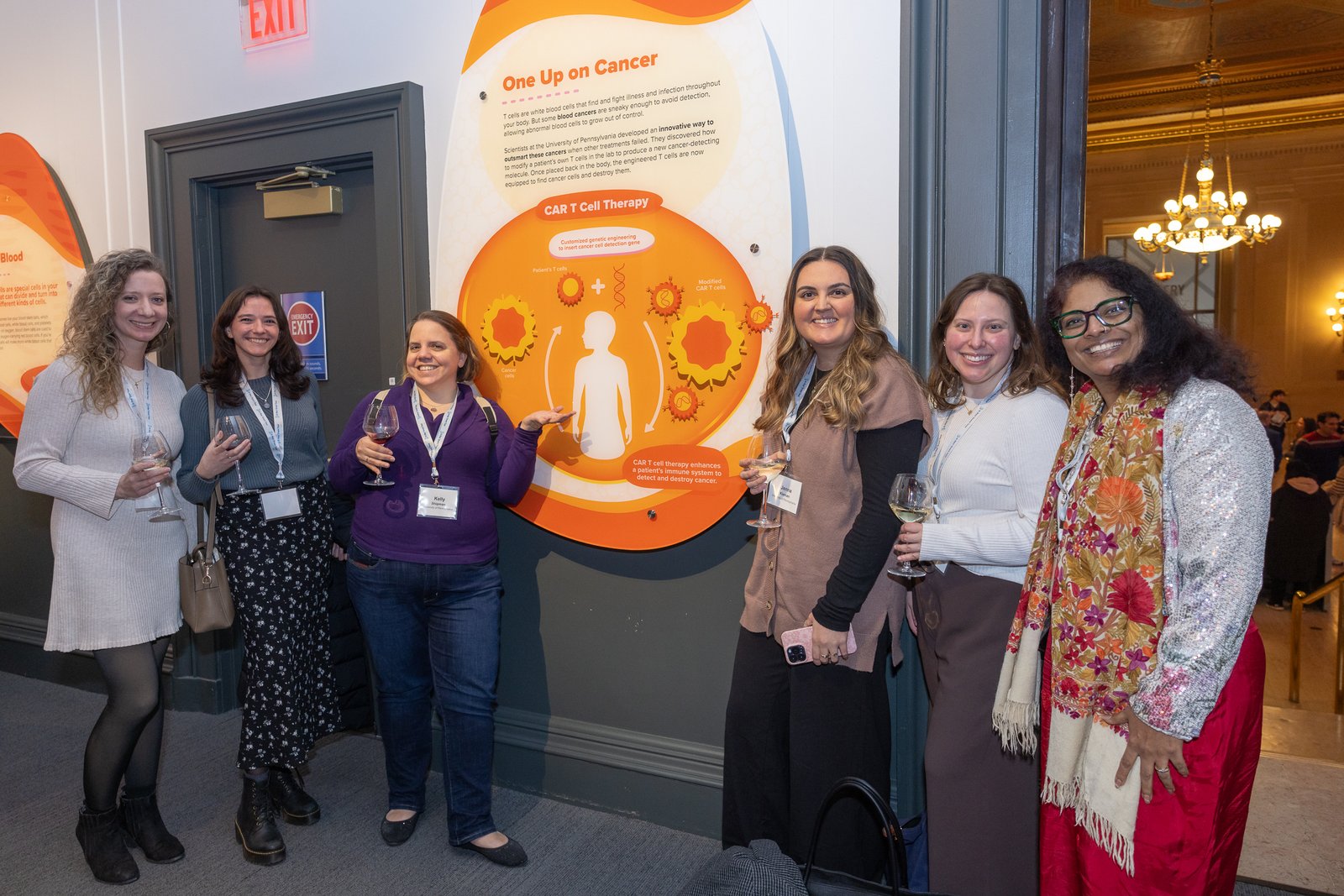
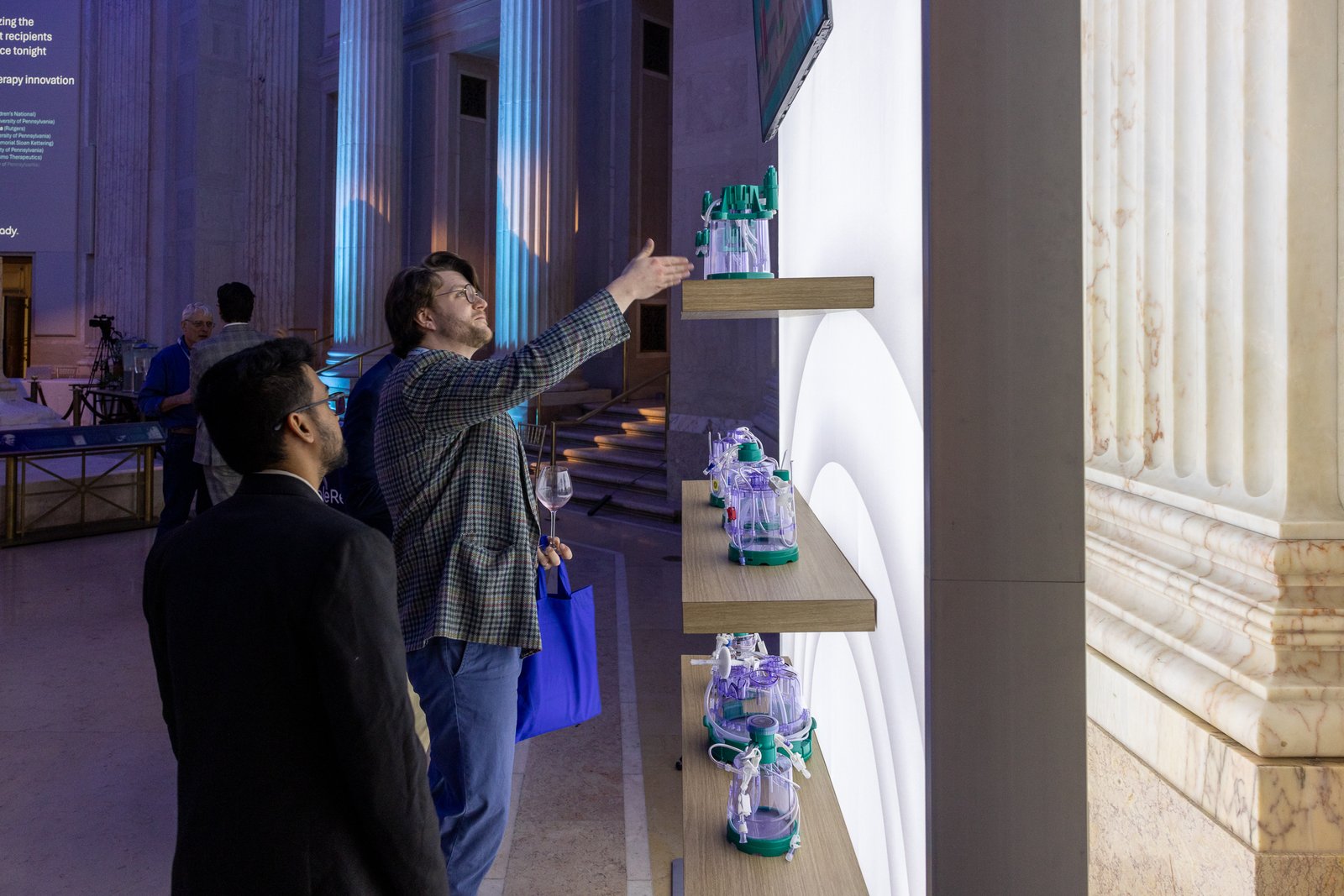
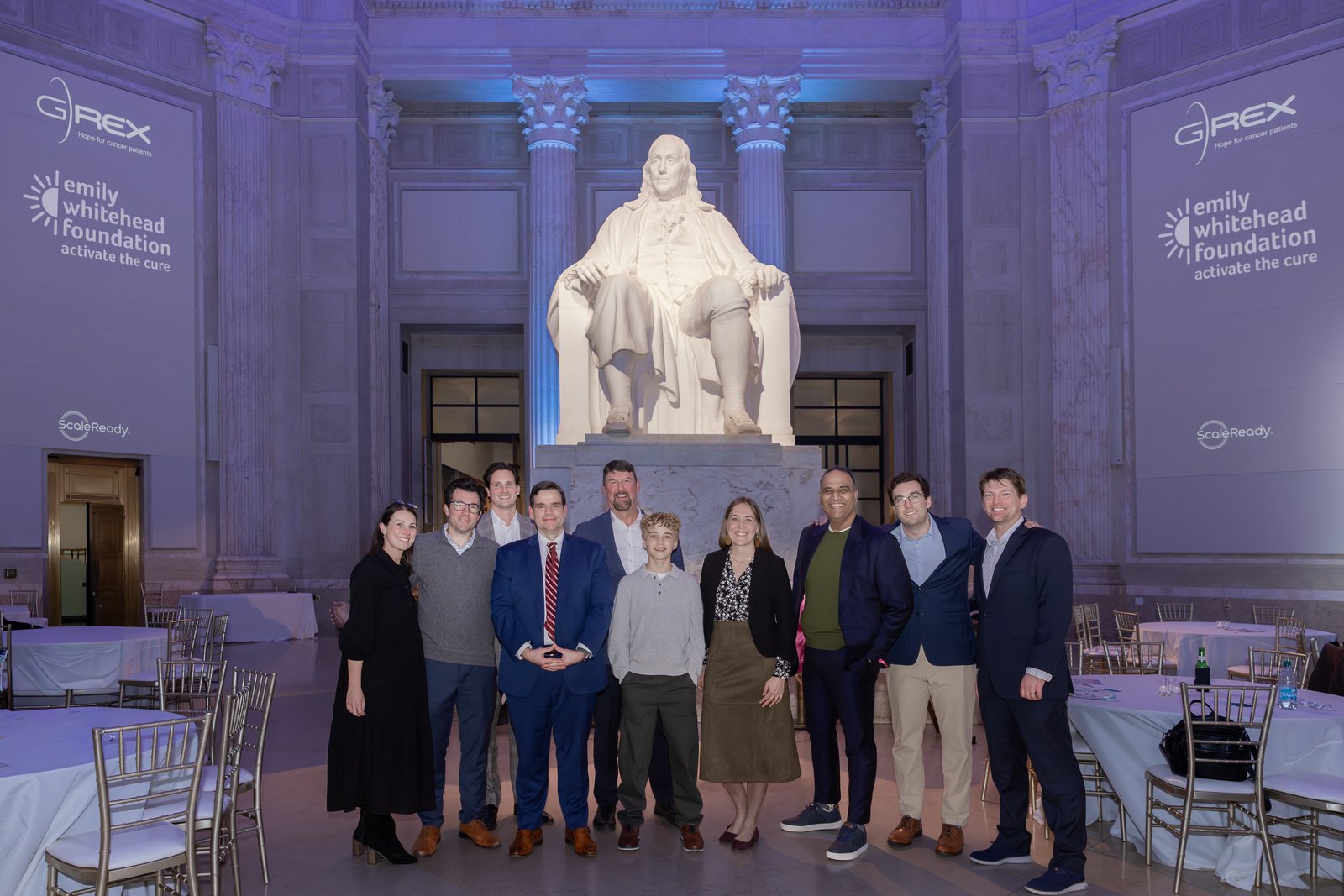
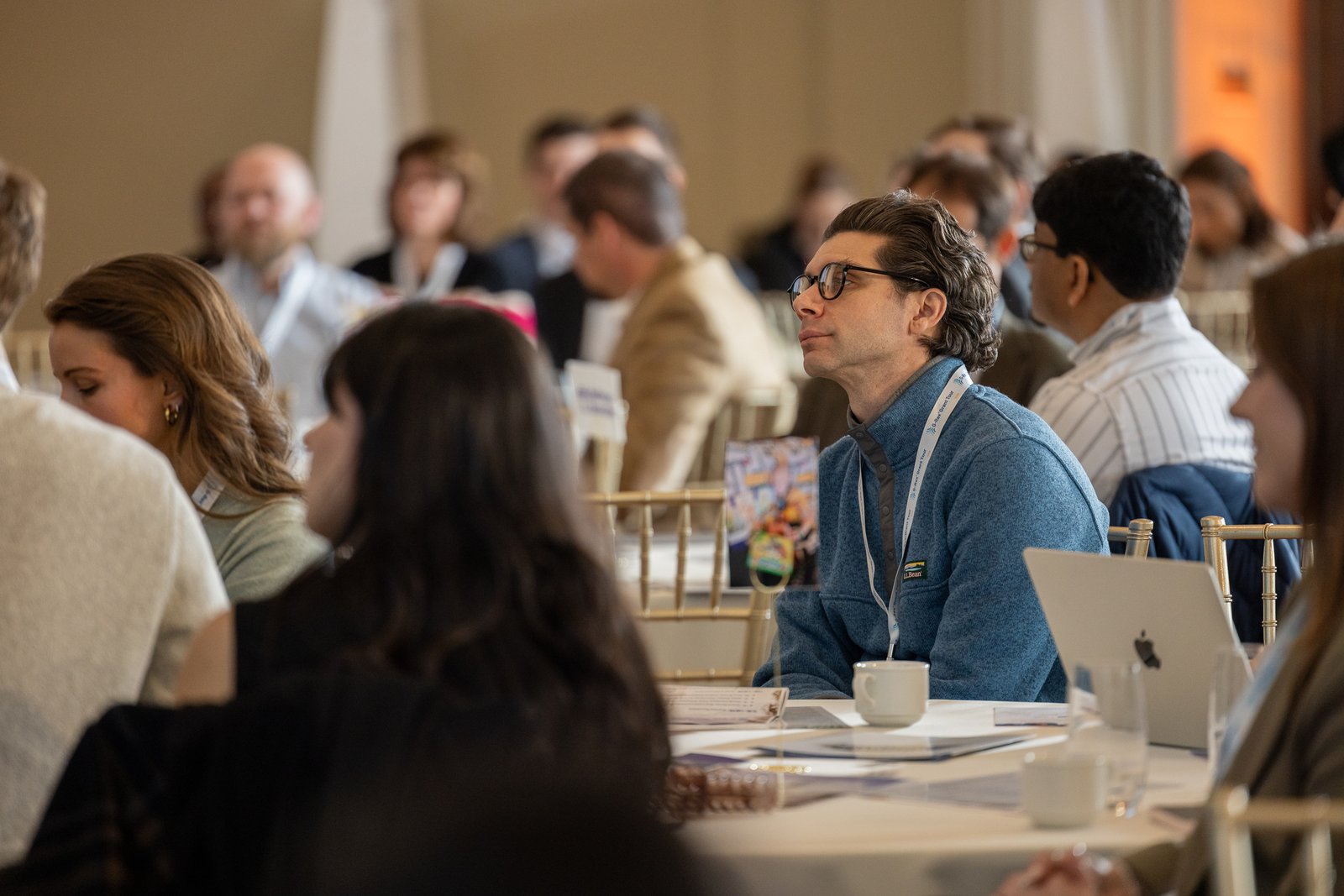
A recap of the speaker presentations and panel discussions from the Philadelphia event.

Menú de Navegación

Event Sessions

Catch up on all the insightful presentations.

Hear from leaders bringing hope to patients through advanced cell & gene therapies

Dr. Boro Dropolic profile image

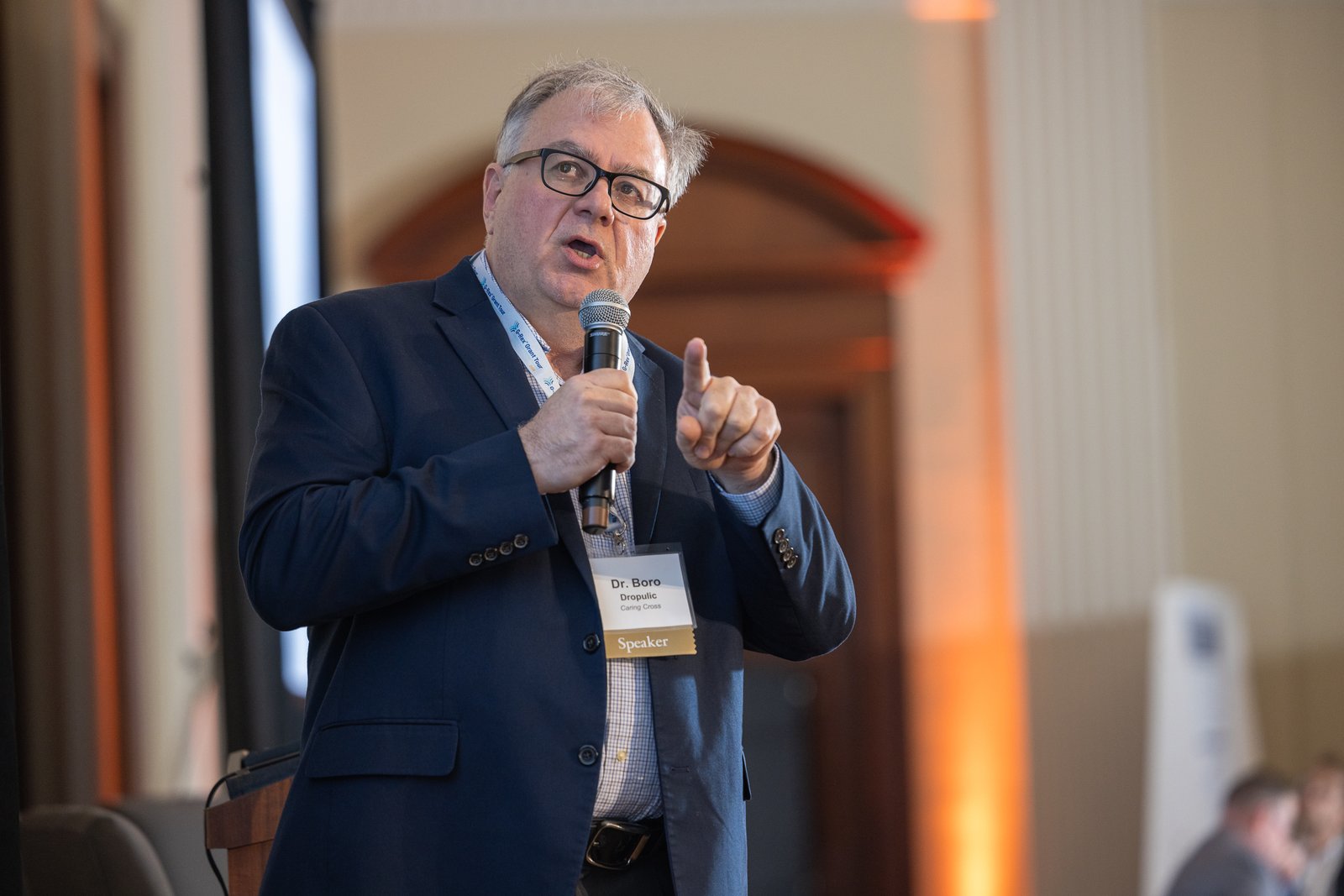
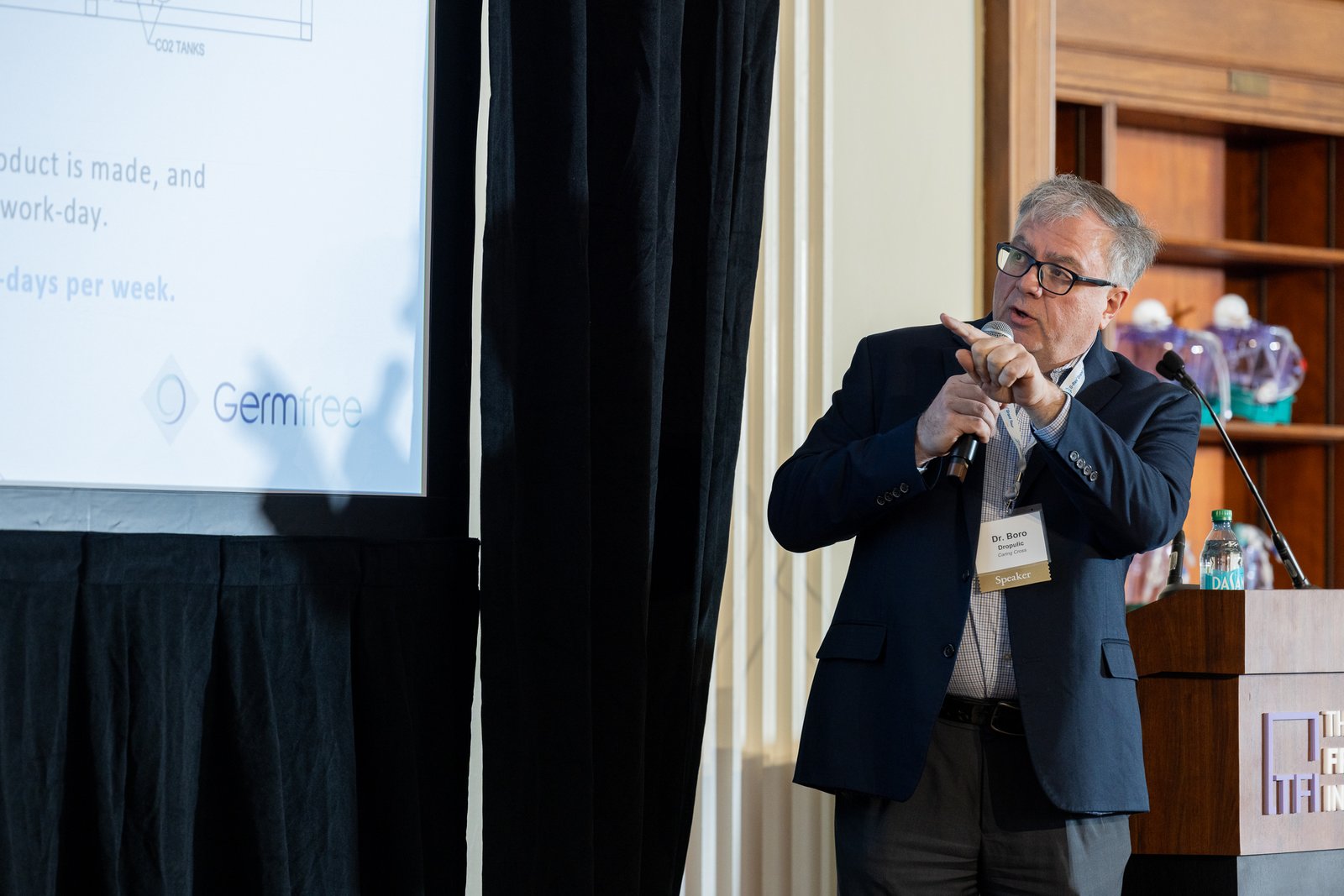
Meet Dr. Boro Dropulić

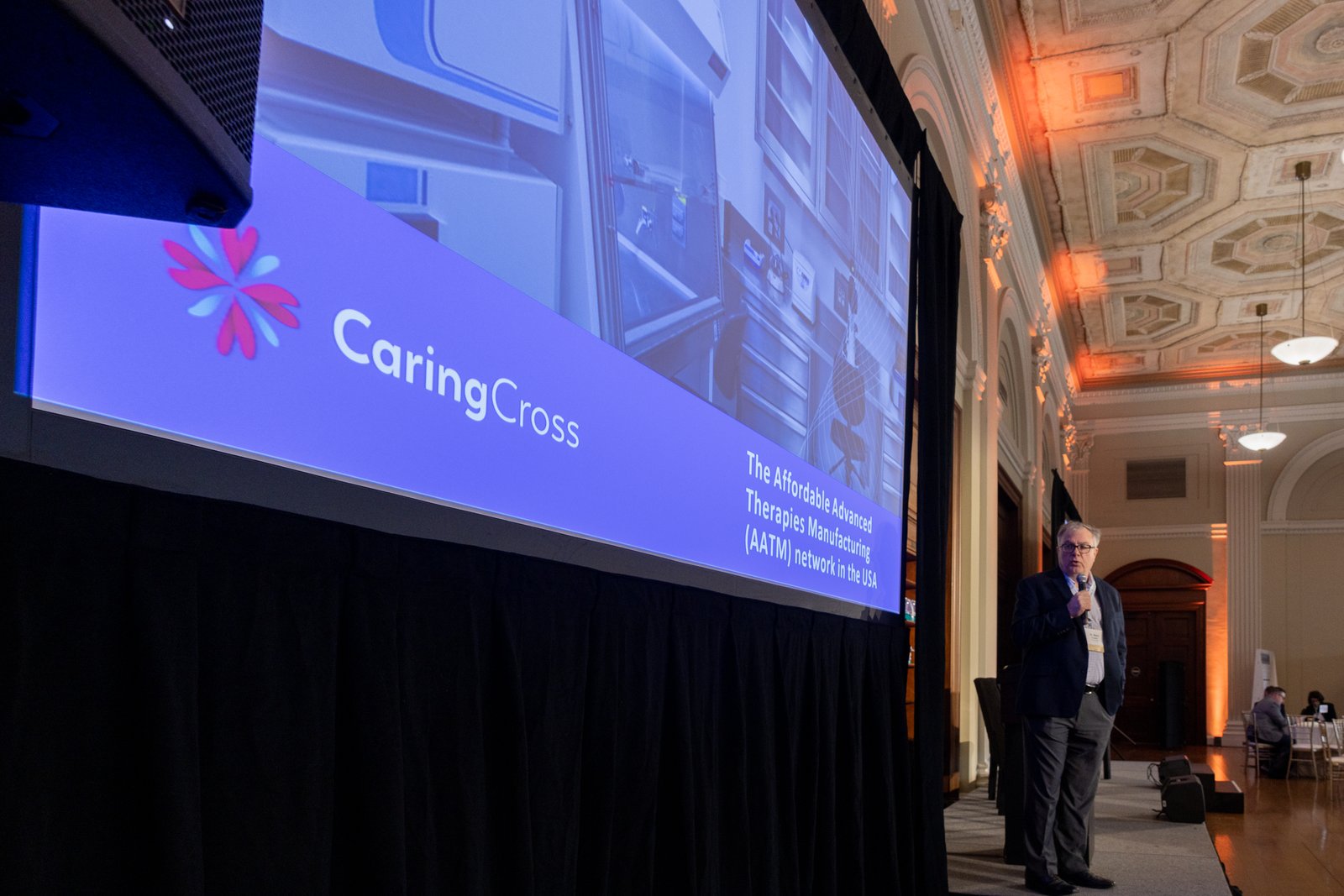
Boro received his PhD from the University of Western Australia and his MBA from the Johns Hopkins University (JHU). He has been in the gene therapy field since the late1980s.After a Fogarty Fellowship at the NIH, he joined the faculty at JHU where he worked on developing Lentiviral vectors as delivery systems for gene therapy. After 4 years in academia, he founded his first company ViRxSys and led the team that first demonstrated the safety of Lentiviral vectors in humans with his UPenn colleagues. Later he founded Lentigen, which first developed the Lentiviral vector used to produce Kymriah™, the first FDA-approved gene therapy product.Later, Boro saw an opportunity to integrate Lentiviral vector technology with closed-system automated cell processing devices to enable distributive place-of-care manufacturing at hospitals, potentially improving the affordability and accessibility of gene therapy products like CAR-T cells. He therefore spearheaded the acquisition of Lentigen by Miltenyi Biotec in 2014 and led the development of a global place-of-care network of clinical centers that were able to successfully manufacture CAR-T cell products and demonstrate their therapeutic benefits in clinical trials.Seeing a need for improved business models to support the affordability and accessibility of gene therapy products, Boro co-founded Caring Cross and serves as the Executive Director.
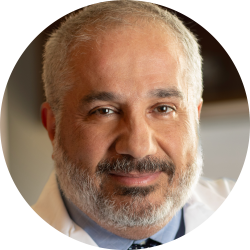
Dr. Ghassemi Saba profile image

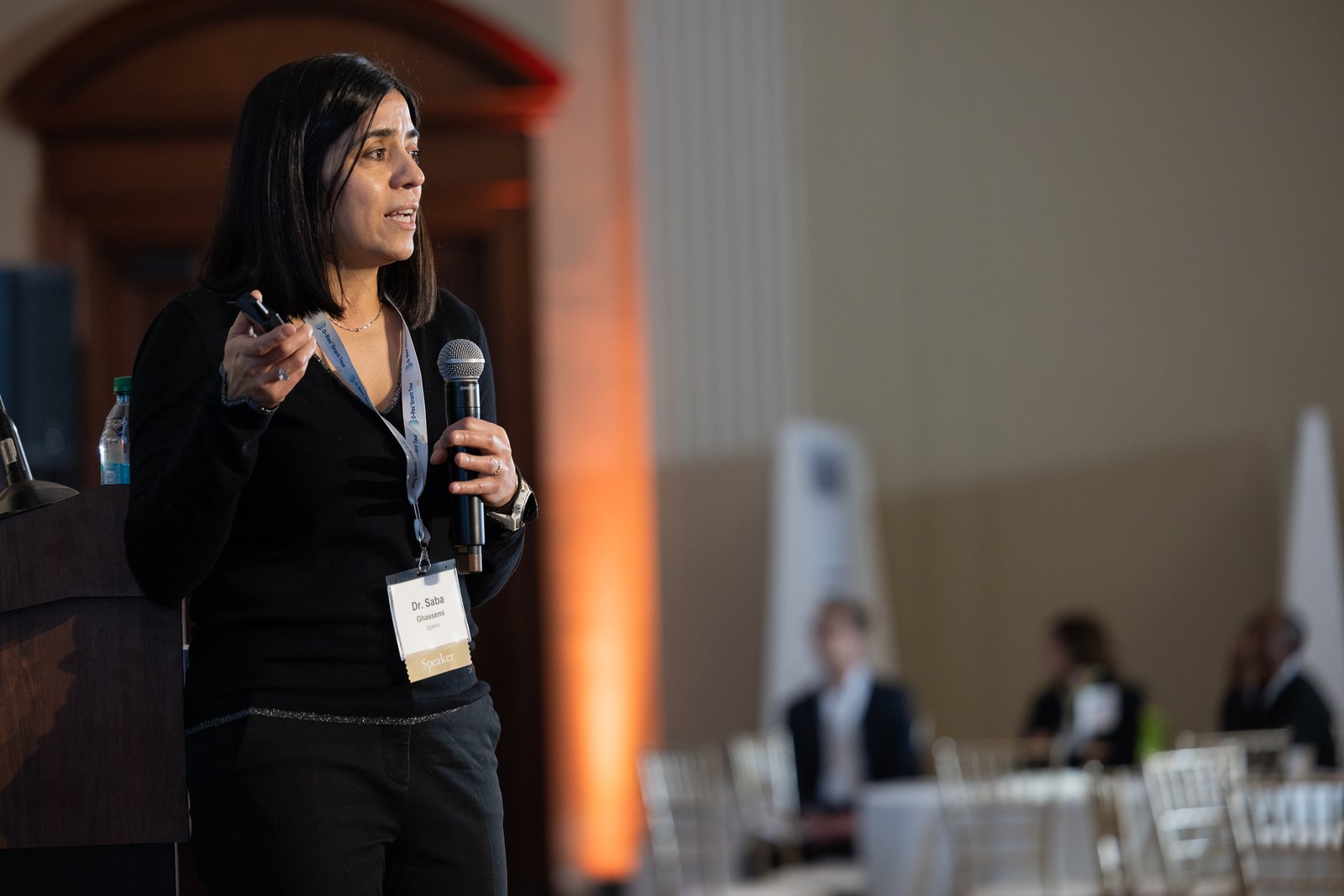
Meet Dr. Saba Ghassemi

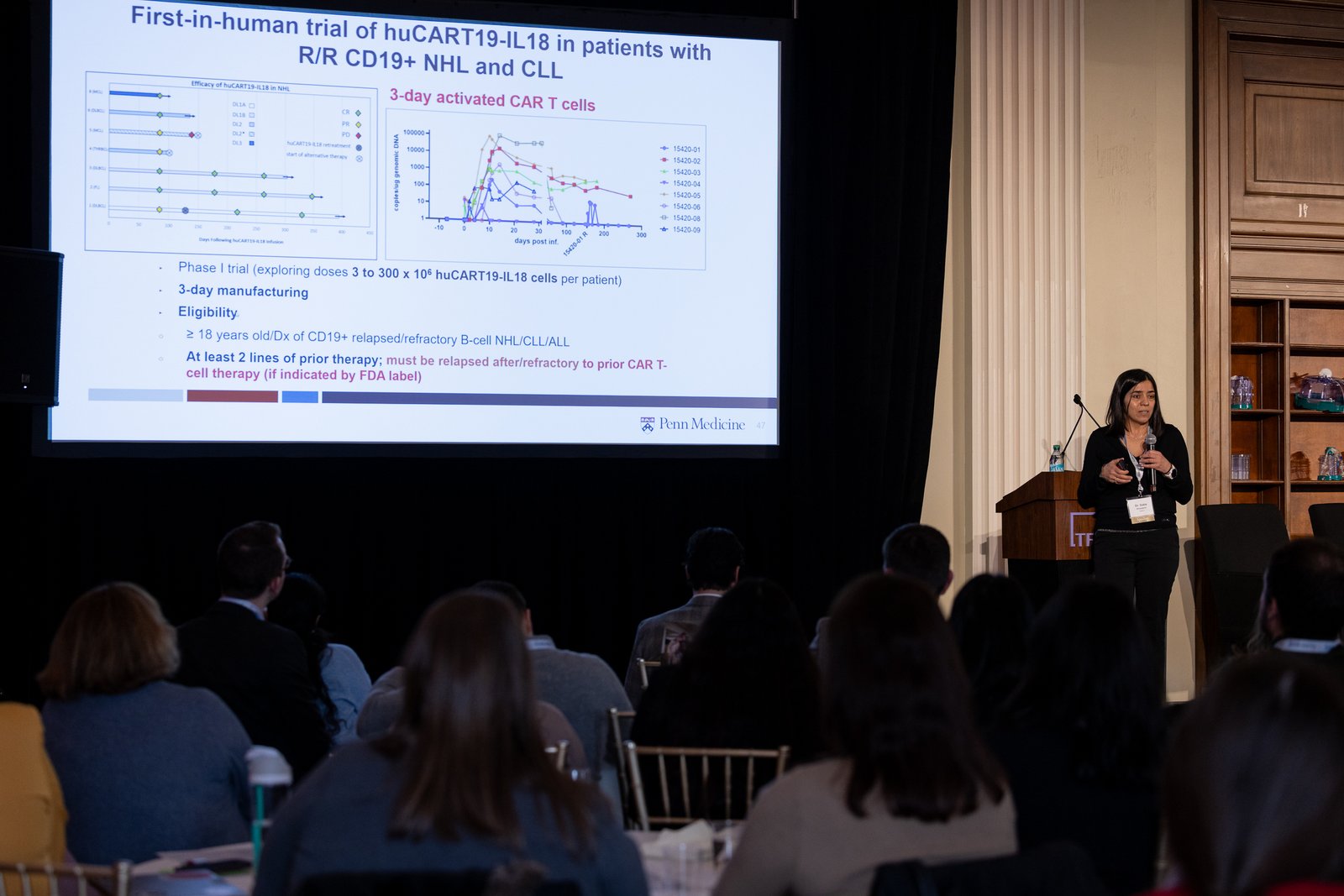
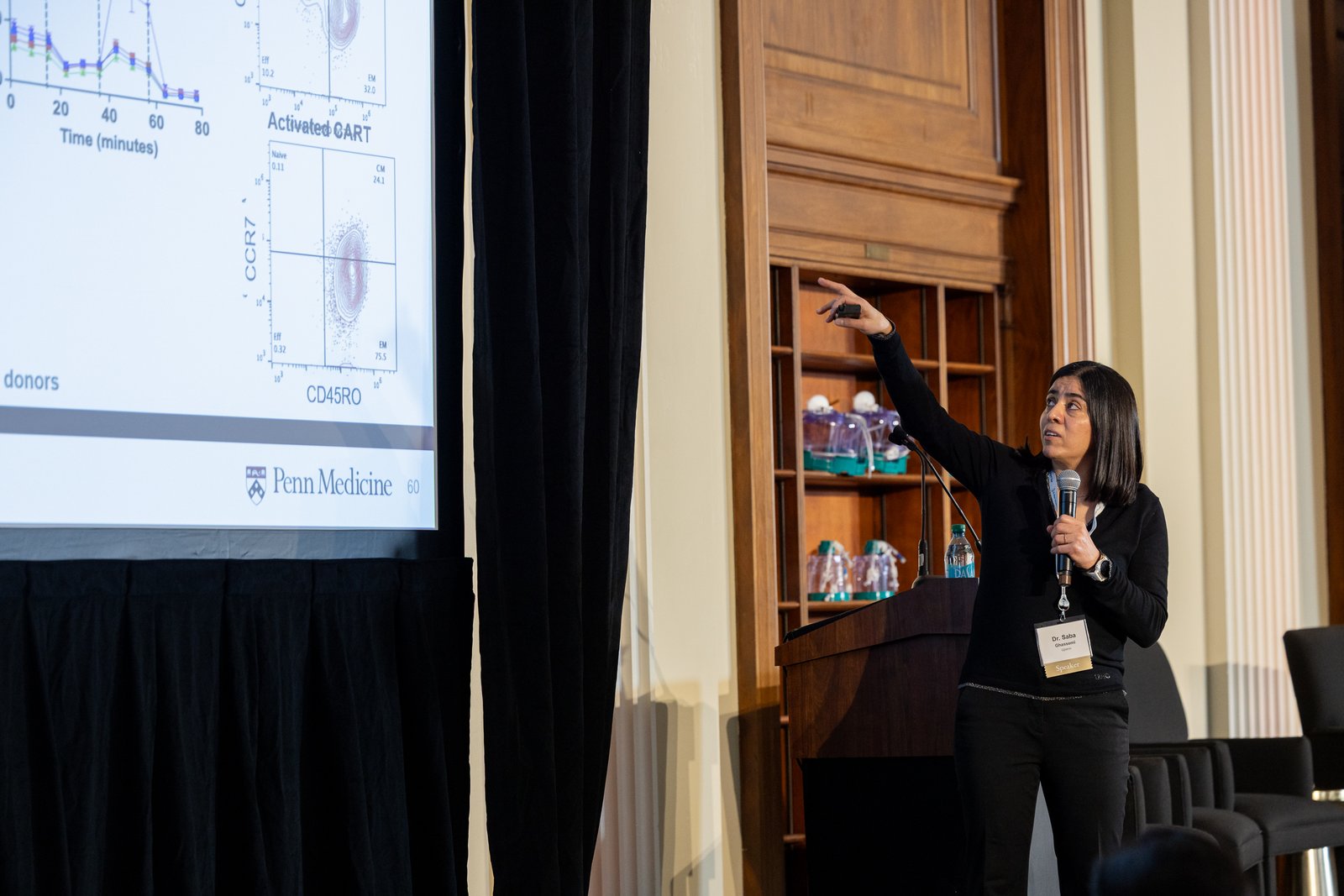
Dr. Saba Ghassemi is an Assistant Professor in the Department of Pathology and Laboratory Medicine and a Principal Investigator at the Center for Cellular Immunotherapies at the University of Pennsylvania. Her research integrates engineering and T cell immunology to develop next-generation CAR T cell therapies with enhanced potency, durability, and translational feasibility.Dr. Ghassemi pioneered abbreviated CAR T cell manufacturing strategies that produce less differentiated, highly functional T cells, contributing to a successful Penn clinical trial using a 3-day manufacturing process. More recently, her laboratory developed a platform for efficient gene delivery into quiescent, non-activated T cells, enabling the generation of potent CAR T cells within 24 hours. This ultra-rapid approach holds promise for expanding patient access to CAR T therapy and is being advanced toward first-in-human clinical testing at Penn.Her current research focuses on streamlining, standardizing, and automating CAR T cell manufacturing through simplified workflows, dedicated bioreactors, and high-resolution functional assays. These efforts aim to reduce manufacturing complexity, improve reproducibility, and broaden access to cellular immunotherapies. Dr. Ghassemi’s work has been recognized through numerous research awards, peer-reviewed publications, and patent filings.
Dr. Michael Lotze

Meet Dr. Michael Lotze

Michael T. Lotze, MD, FACS is Professor of Surgery, Immunology, and Bioengineering; Director of the DAMP Laboratories at the UPMC Hillman Cancer Center; and Sr. Advisor for the Immune Transplant and Therapy Center within the University of Pittsburgh Medical Center Enterprises. His research work includes modern immunotherapy and gene therapy, dendritic cell, T cell, and cytokine therapies, and investigation of the role of mitochondria, metabolism, and unscheduled cell death in cancer.Dr. Lotze has worked in the field of immunology and clinical medicine for over 30 years and has had the opportunity to personally review and advance the work of individuals developing translational research, particularly within cancer. Dr. Lotze is a clinician scientist who has spent the last decade assembling teams to work on the extraordinary problem of pancreatic cancer, renal cancer, and lung cancer.He is a long-time SITC enthusiast, attending his first meeting in Williamsburg, presiding in 1998, and launching both the Primer on Tumor Immunology as well as the SITC Clinical Immuno-Oncology Network to advance the most rigorous and robust clinical protocols in immunotherapy of cancer. Dr. Lotze is the co-inventor of 10 patents in dendritic cell vaccines and antigen discovery, 13 patents in tumor infiltrating lymphocyte therapy (while at Iovance), additional patents at Nurix Therapeutics where he served as Chief Cell Therapy Officer 2020-2023.He is an award-winning NCI-trained scientist (1978-1990), the inaugural Director of Surgical Oncology at Pitt (1990-2000), former Vice President of Research at GlaxoSmithKline (2001), founding director of the UPCI Academy, former Chief Scientific Officer at Lion/Iovance Biotherapeutics, former CCO at Nurix Therapeutics, and innovative educator as a prolific clinician-scientist/tumor immunologist with over 500 publications and several books.
Tom Whitehead

Meet Mr. Tom Whitehead

President & Co-founder, Emily Whitehead Foundation.Tom Whitehead is a keynote speaker, author, and journeyman lineman for an energy company. He is also the proud father of Emily and the co-founder of the Emily Whitehead Foundation, which is dedicated to raising awareness and funds for pediatric cancer immunotherapy research.Tom, his wife Kari, and their daughter Emily founded the Emily Whitehead Foundation to share their story and support families facing pediatric cancer. At age five, Emily was diagnosed with an aggressive form of leukemia that did not respond to standard treatments. As a last resort, she was enrolled in a groundbreaking clinical trial and became the first pediatric patient in the world to receive CAR T-cell therapy. The treatment was a success—Emily has been cancer-free for over 13 years and is now considered cured.
Dr. Patrick Hanley profile image

Meet Dr. Patrick Hanley

Patrick Hanley, PhD, is the chief and director of the Cellular Therapy Program and an associate professor of Pediatrics at Children’s National Hospital and the George Washington University, respectively. He oversees processing for standard of care stem cell transplantation as well as the development, manufacture, quality and testing of novel cell and gene therapies. Over the past 19 years he has helped to translate more than 600 products on over 25 cell therapy protocols – ranging from mesenchymal stromal cells to cord blood virus-specific T cells and tumor-associated antigen specific T cells – into the clinic.In 2020 Dr. Hanley was elected VP-North America of the International Society for Cell and Gene Therapy (ISCT) where he also served on the board of directors, co-founded and served as the inaugural co-chair of the Early-Stage Professionals committee which focuses on workforce development, and is the commissioning editor of the society’s journal, Cryotherapy. Representing ISCT, he serves on the Regenerative Medicine Forum of the National Academies where he co-leads the workforce working group. He also serves on the board of directors of the Foundation for the Accreditation of Cellular Therapy (FACT) and is a FACT representative at the Cell Therapy Liaison Meeting, serving as a thought leader in a forum with the U.S. Food and Drug Administration. Dr Hanley also serves as an advisor for a number of cell and gene therapy biotech companies.
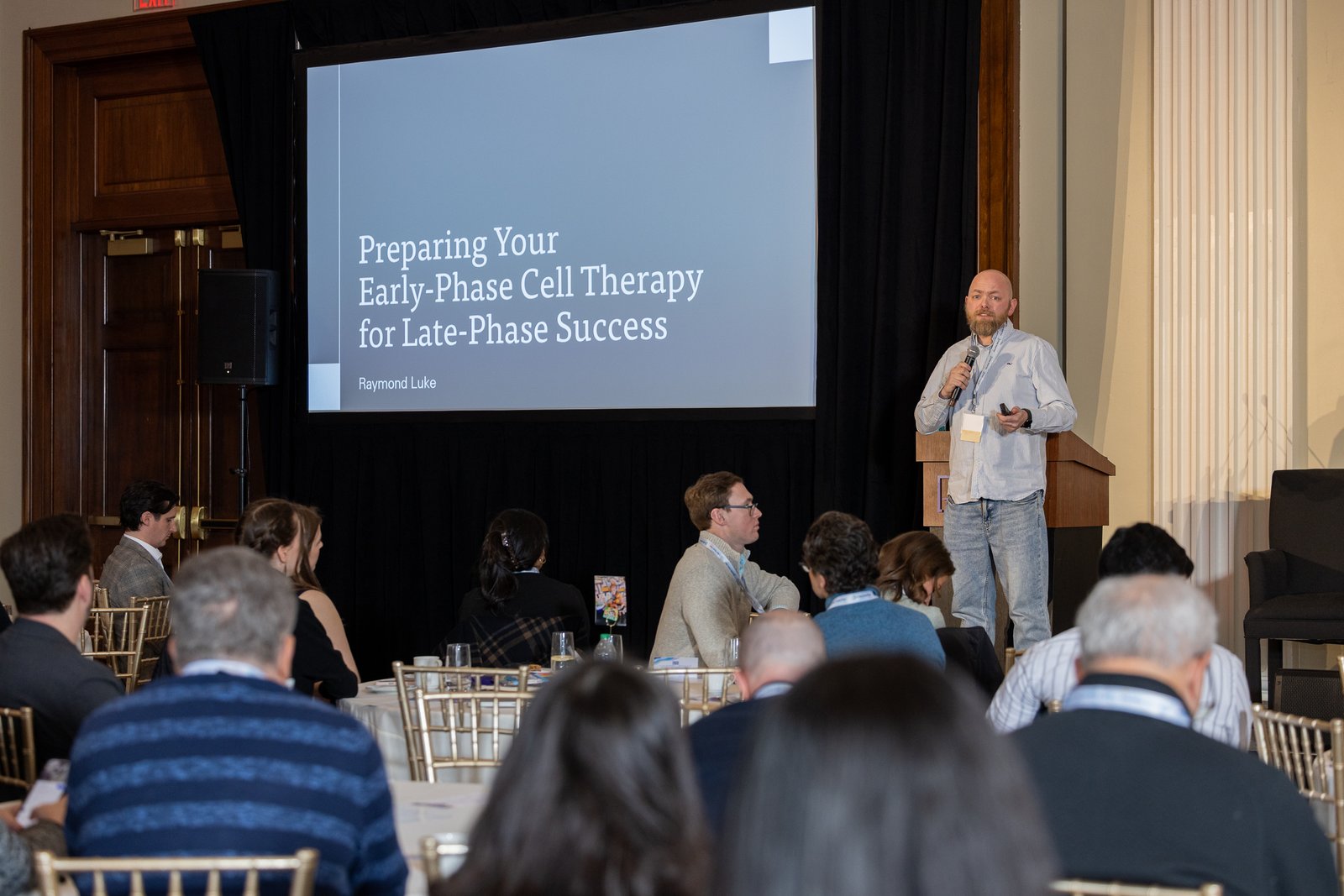
Raymond Luke

Meet Mr. Raymond Luke

Raymond holds a B.A. in Genetics from Rutgers University and is based in Philadelphia, Pennsylvania. He is a cell therapy leader with experience supporting both early- and late-phase programs, with strengths in process analytics, product characterization, process development, CMO management, and technical support.Raymond currently serves as Senior Director, MSAT and Head of CMC at Verismo Therapeutics. He previously held the role of Director, MSAT and Head of CMC at Verismo, supporting MSAT and CMC leadership across the organization.Prior to Verismo, Raymond spent several years at Adaptimmune, progressing through MS&T roles including Senior Scientist, Principal Scientist (Process Sciences, Manufacturing Science and Technology), and Associate Director (Process Sciences and Engineering – MS&T).Earlier in his career, he held research roles including Research Specialist at the University of Pennsylvania and Research Assistant at Robert Wood Johnson Medical School, where he supported research on the effects of dexamethasone on glioblastoma cells.
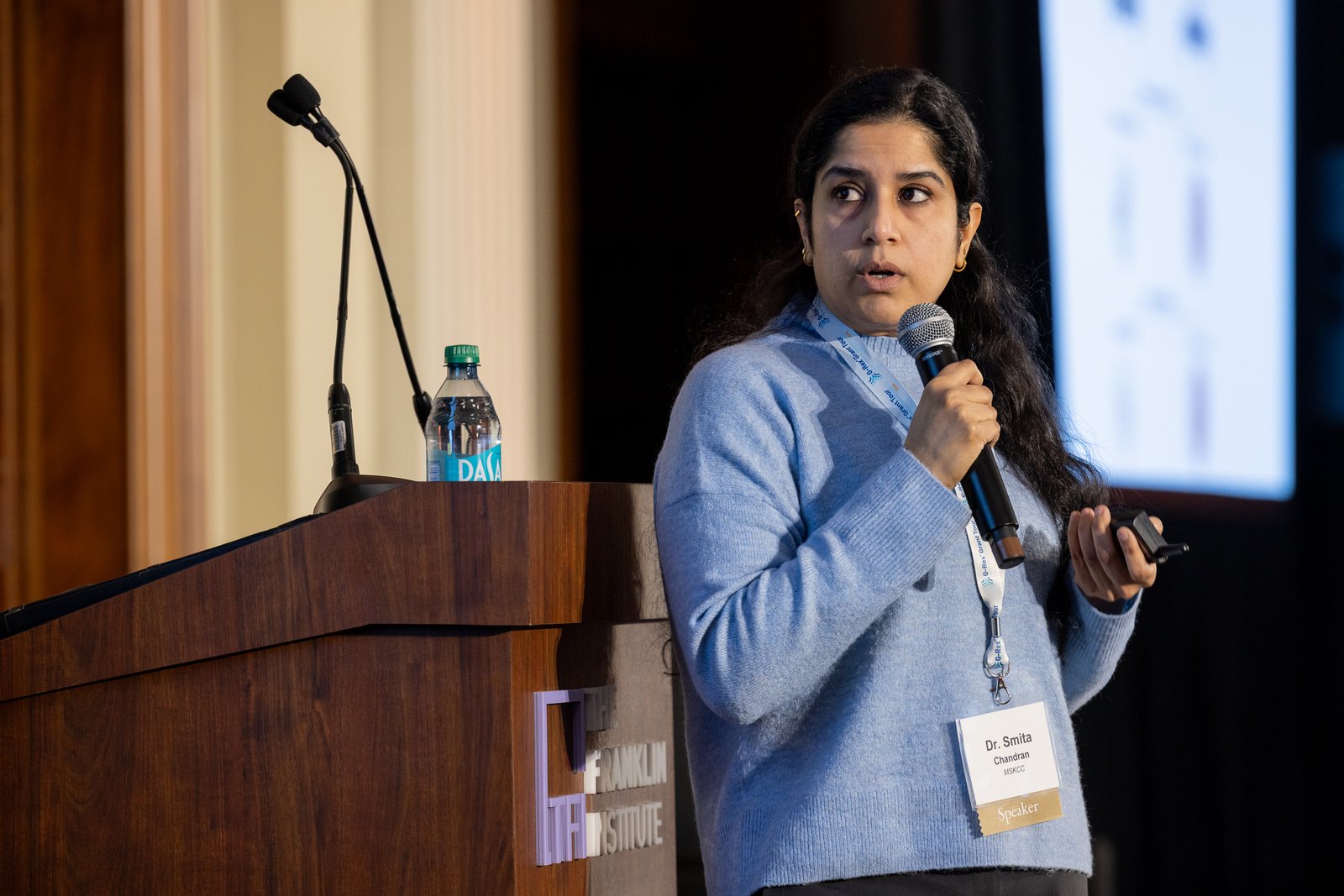
Smita Chandran

Meet Dr. Smita Chandran

Smita Chandran is a Scientific Research Lead at Memorial Sloan Kettering Cancer Center (MSKCC), where she focuses on developing T cell–based immunotherapies targeting shared public neoantigens in solid cancers. Her work bridges immunology and cancer immunotherapy, translating fundamental T cell biology into next-generation cellular therapies.Smita earned her Ph.D. in Immunology from the University of Maryland, Baltimore, where her graduate research examined how early immune priming can influence the development of long-term CD4 T cell memory. She trained as a Research Fellow at the National Cancer Institute and was the research lead on two independent clinical trials using T cell clones targeting melanocyte-differentiation antigens for the treatment of metastatic melanoma and the adoptive transfer of tumor-infiltrating lymphocytes for the treatment of metastatic uveal melanoma.In her current role, Smita Chandran is leading the preclinical to clinical development of T cell therapies targeting public neoantigens derived from mutated PIK3CA and RAS. Through her research leadership at MSKCC, Smita Chandran continues to advance cellular immunotherapy and expand the potential of T cell–based cancer treatments.
Betsy & Beau Larrabee

Meet Ms. Betsy & Beau Larrabee

Betsy and Beaudin Larrabee are a mother–son speaking and advocacy duo focused on childhood cancer survivorship, clinical innovation, and life after treatment.Beaudin was diagnosed with Acute Lymphoblastic Leukemia (ALL) at age six following recurrent fevers and hospitalizations. His initial course of treatment proceeded as expected, with a strong early response. Despite this, Beaudin later experienced a CNS-only relapse, shifting his care from established protocols into the uncertain terrain of trial medicine. While preparing to begin relapse therapy, his family connected with the Emily Whitehead Foundation, which supported access to emerging treatment options and clinical trials.Through that pathway, Beaudin enrolled in a CAR T-cell clinical trial at the Children’s Hospital of Philadelphia, receiving his first infusion in March 2021. When CAR T persistence declined, he went on to participate in a humanized CAR T-cell (huCART) trial, receiving a second infusion in August 2021. Although the cells eventually faded, Beaudin’s leukemia did not recur. His family entered a period of watchful waiting, and today Beaudin is a teenager celebrating more than four years cancer-free.Now on the far side of treatment, Betsy and Beaudin speak together about survivorship, clinical decision-making, and the lived experience behind emerging cancer therapies—offering clarity, perspective, and humanity to conversations about medicine, uncertainty, and what comes after survival.
Mr. George Eastwood Profile Image

Meet Mr. George Eastwood

George Eastwood is the Executive Director of the Emily Whitehead Foundation, an organization created by the Whitehead family after their daughter Emily became the first pediatric patient to receive CAR-T cell therapy. Under his leadership, the foundation is focused on expanding access to advanced therapies, influencing policy to remove barriers to care, and supporting patients and families throughout their treatment journey, work that builds on its original mission of funding groundbreaking research for less-toxic cancer treatments.A mission-driven innovator in cell and gene therapy, George has spent much of his career creating products, tools, and services to accelerate the development and delivery of cell-based therapeutics. As an early employee at HemaCare, he partnered with pioneering CAR-T companies like Kite and Novartis to help bring their therapies from development to commercialization. He later held leadership roles in the start-up space, including Vice President of Business Development and Partnerships at Kytopen and co-founder of Excellos, a cell and gene therapy company spun out of the San Diego Blood Bank.In addition to his role at the Emily Whitehead Foundation, George serves on the Board of Directors for the Alliance for Regenerative Medicine, where he works alongside global leaders to advance policies, standards, and innovations that ensure more patients can benefit from next-generation therapies.
Dr. Jim Bowen profile image

Meet Mr. James Bowen

Jim Bowen is the Executive Director of Corporate Alliances at the University of Pennsylvania, a role he has held since 2016. Prior to this position, he served as Director of Licensing and Director of Corporate Alliances, and previously as Associate Director of Licensing and Director of the CAR T-Cell Alliance Group. He also held earlier roles in life science licensing at Penn, including Assistant Director of Life Science Licensing and Life Sciences Licensing Officer. Bowen is a U.S. Patent Agent (Registration No. 62,271). He earned his Ph.D. in Neurobiology from the University of Chicago and holds a BA/BA in Biology and Economics from the University of Virginia.

Meet Dr. Ekaterina Doubrovina

Ekaterina Doubrovina MD, PhD, is a Director of the Immune, Cell and Gene Therapy GMP Service at Rutgers Cancer Institute and an Associate Professor at the Department of Medicine of Robert Wood Johnson Medical School.She is an accomplished medical researcher in the field of Cancer Immunology and Immune Cell Therapies with extensive experience in implementation and oversight of the GMP process development, manufacturing, quality control and quality assurance for first-in-human cell and gene therapy clinical trials and for the transfer of the developed technology to biopharmaceutical companies.Her research work contributed to setting the grounds of new paradigm in mechanisms of response to tumors and viral infections resulting in development of a breakthrough technologies that were implemented in clinical trials for treatment of hematologic malignancies and viral complications. Dr. Doubrovina also led development and implementation of the off-shelf approach for immediate treatment of cancer patients and immuno-compromised patients with T-cells generated from third party donors. Dr. Doubrovina is a co-inventor of 8 patents on antigen discoveries, methods and approaches for adoptive cellular therapies.Over more than 25 years at Memorial Sloan-Kettering Cancer Center and more recently over 5 years at Rutger's Cancer Center Dr. Doubrovina established GMP Facilities and enabled initiation of the Immune Cell Therapy programs by the investigators at those centers. She assisted with development and implementation of different GMP manufacturing processes for multiple clinical trials testing safety and efficacy of virus specific T-cells, NK cells, CAR modified T-cells and TCR engineered T-cells at MSKCC and RCI. Under administration of Dr. Doubrovina, the MSKCC GMP facility generated one of the biggest banks of the pre-characterized EBV, CMV and WT-1 specific T-cells available as off-the-shelf immediate treatment for the 3rd party recipients all over the world.

Meet Ms. Anne Brooks

Anne Brooks is an experienced biotech and pharmaceutical executive with a 20+ year proven track record of successfully commercializing pharmaceutical products across diseases, technologies and reimbursement models at all stages of product lifecycle, from early-stage development to product launch to market exclusivity expiry.She is currently the Senior Vice President, Global Access and Operations at Iovance Biotherapeutics, a commercial and clinical cell therapy company that is pioneering a transformational approach to innovating, developing and delivering tumor infiltrating lymphocyte (TIL) therapy for people with cancer. Anne leads multiple commercial functions including Authorized Treatment Center operations, patient case management, global market access, HEOR, and country leadership for Canada and Australia.Anne joined Iovance in 2019. Before her current role at the company, she was the SVP of US Commercial, leading the US Sales, Marketing, Field Market Access and Strategic Accounts teams responsible for the US launch of AMTAGVI (lifileucel), an autologous T cell therapy indicated for the treatment of advanced melanoma. Previously she was also SVP of Global Commercial Strategy and Marketing, responsible for the short- and long-term strategy of Iovance’s lead TIL therapy candidates. Prior to Iovance, Anne served in numerous commercial leadership roles at Teva Pharmaceuticals, most recently as Senior Director of Marketing for Teva’s Specialty Oncology division where she led the launch of BENDEKA® (bendamustine), which generated over $1B in revenue in less than 2 years. Her earlier experience also included commercial roles of increasing responsibility at Cephalon, Gilead Sciences, and Bristol-Myers Squibb Company.
Ignacio Nunez, M.Sc., MBB profile image

Meet Mr. Ignacio Nunez, M.Sc., MBB

Ignacio Nunez is a seasoned operator and manufacturing executive with deep expertise in biologics, cell and gene therapies, and complex GMP manufacturing systems. He has spent his career helping organizations translate breakthrough therapies into scalable, reliable operations.Most recently, Ignacio served as Chief Operating Officer of CellReady, where he led the company’s operational expansion in the cell and gene therapy space. He drove large-scale organizational and manufacturing transformations, delivering material reductions in capital expenditure and development timelines while strengthening GMP manufacturing, quality systems, and supply chain performance across collaborations with global biopharma, emerging biotech, academic institutions, investors, and CDMOs/CROs.Earlier, Ignacio contributed hands-on to the industrialization and commercialization of next-generation therapies, including some of the first FDA-approved cell and gene therapies. He founded BioExcellence to bring operator-led execution to clients—developing high-throughput manufacturing and operational excellence models adopted in the design and optimization of large-scale cell therapy production facilities.Ignacio holds B.S. and M.Sc. degrees in Chemical Engineering from the University of Granada and is a certified Lean Six Sigma Master Black Belt.

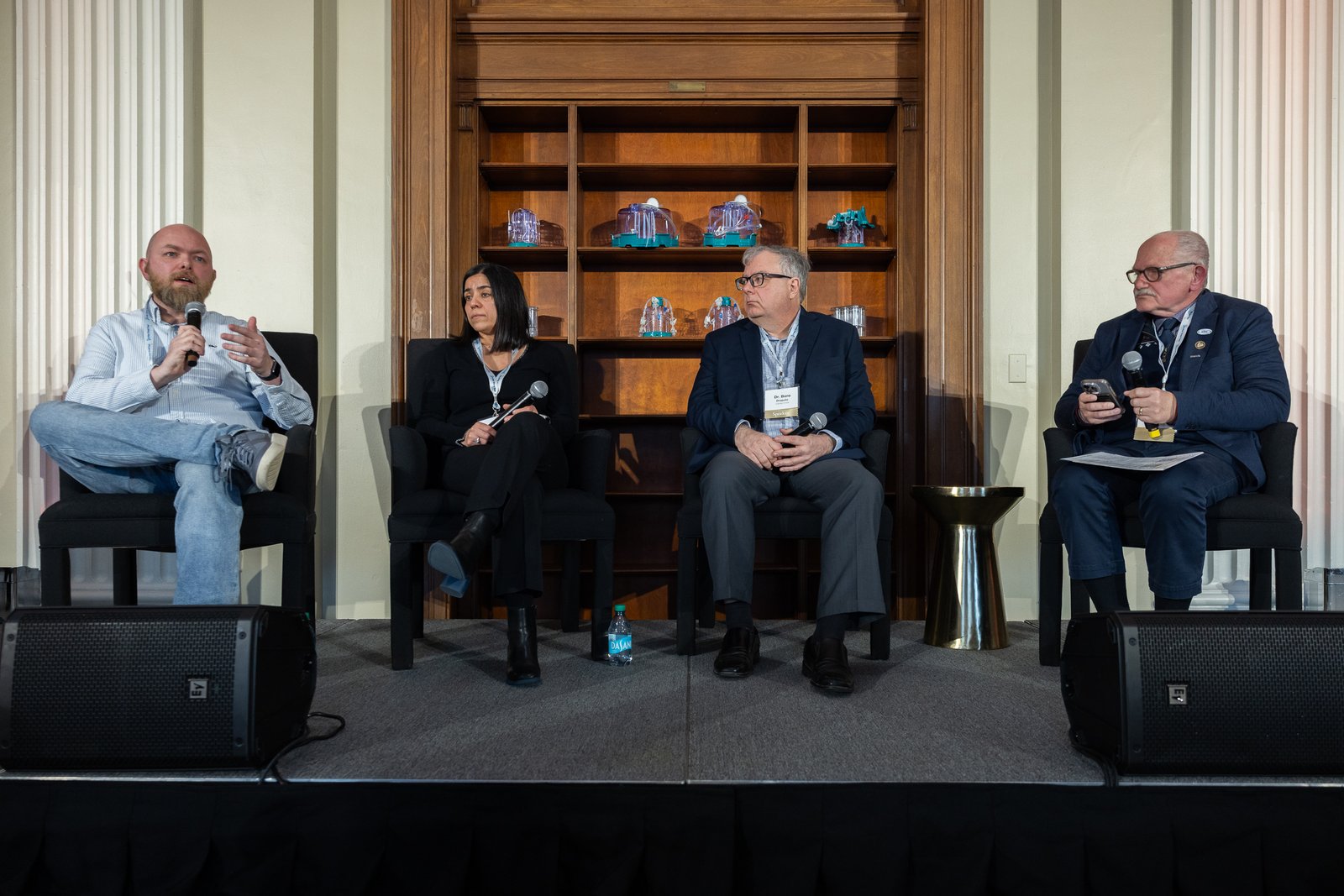
Panel Discussions

Emily Whitehead Foundation Panel

A panel discussion with Dr. Ann Leen, Dr. Cassian Yee, and Dr. Marie-Andree Forget

Innovations in Ex Vivo CGT Manufacturing Panel

A panel discussion with Dr. Ann Leen, Dr. Cassian Yee, and Dr. Marie-Andree Forget

Business Roundtable

A panel discussion with Dr. Ann Leen, Dr. Cassian Yee, and Dr. Marie-Andree Forget

Event Sponsors

LEAN Cell & Gene

LEAN Cell & Gene

Share:

LEAN Cell & Gene - Logo

LEAN Cell & Gene™ is an initiative to promote awareness, education, and adoption of LEAN manufacturing principles and methodologies in the Cell & Gene Therapy industry.

LEAN manufacturing is a production methodology developed by W. Edward Demings over a multi-decade period that focuses on driving maximum quality and efficiency through the systematic identification and elimination of waste.  In post-World War II Japan, Demings worked closely with the leadership at the Toyota Motor Company to implement these principles, culminating in the invention of the Toyota Production System (TPS).  TPS, referred to by many names including The Toyota Way, kaizan, LEAN (Six Sigma), etc. is deployed in virtually every industrial sector – except Cell & Gene Therapy (for now).

"The most dangerous kind of waste is that which we don't recognize"

By Shigeo Shingo

These various forms of waste are absolutely present in Cell & Gene Therapy and are eroding the cash runways of many biotechs who do not have the prospect of revenue for years to come. Surviving this:

LEAN is the structured application of common sense

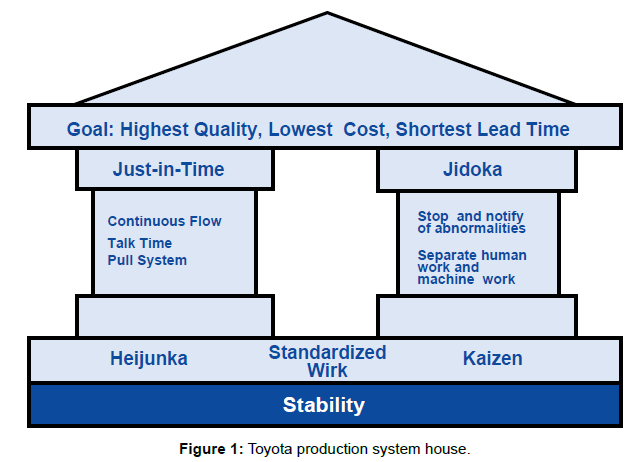
LEAN is often described as the structured application of common sense. That structure is commonly visualized as the Toyota Production System “House.”

The house illustrates how LEAN principles work together as a system—not as isolated tools. A foundation of stability supports standardized work and continuous improvement (kaizen). Two pillars—Just-in-Time and Jidoka (built-in quality)—work in balance to enable flow, pull, and quality at the source. When these elements are aligned, the result is the ultimate LEAN objective: the highest quality, at the lowest cost, in the shortest lead time.

In Cell & Gene Therapy, this framework provides a practical lens for evaluating manufacturing decisions and understanding how individual choices either strengthen—or undermine—the system as a whole.

LEAN Cell & Gene 101

Below are a list of LEAN concepts and a brief introduction to their context within Cell & Gene Therapy.

Value

In Cell & Gene Therapy, value is often discussed in terms of clinical efficacy, but manufacturing value is created—or destroyed—long before a therapy reaches a patient. A process that is scientifically successful but operationally fragile undermines access, scalability, and long-term viability. Excessive complexity, inflexible equipment, and processes optimized around capital utilization rather than patient need all erode value.

LEAN defines value strictly from the perspective of the customer. In CGT, that includes patients, clinical teams, developers, and ultimately health systems that must absorb the cost of therapy. Manufacturing steps that do not clearly contribute to safety, efficacy, or reliable delivery are candidates for elimination or redesign.

Mechanized bioreactors often add value locally—by reducing manual touchpoints—but can subtract value system-wide by increasing cost, limiting throughput, and locking developers into rigid workflows early in development. LEAN encourages evaluating value at the system level, asking whether a manufacturing choice increases access and sustainability over the full lifecycle of the therapy.
True value in CGT manufacturing is achieved when processes remain adaptable, scalable, and aligned with patient-driven demand.

How G-Rex facilitates Value

G-Rex supports value creation by minimizing unnecessary complexity while preserving biological performance. Its simple, scalable design enables efficient expansion without imposing downstream constraints or early process lock-in. By lowering capital burden and supporting consistent workflows from development through commercial scale, G-Rex helps ensure that manufacturing decisions add value across the entire lifecycle of a CGT program.

Flow in Cell & Gene Therapy
Just-in-Time (JIT) manufacturing means producing only what is needed, when it is needed, in the quantity needed. In CGT, where demand is patient-specific and time-critical, JIT is not optional—it is inherent. However, many CGT processes unintentionally drift away from JIT due to equipment-driven scheduling, long setup times, and tightly coupled operations.

Highly mechanized bioreactors often encourage batching to maximize utilization, pushing work earlier than necessary and increasing work-in-process inventory. Cells may be expanded or processed simply because a system is available, not because downstream steps or patient readiness demand it.

LEAN emphasizes aligning production with real demand signals. In CGT, this means designing processes that can start, pause, and resume without penalty, and that do not require artificial batching to remain economical. JIT reduces waiting, handling, and risk—while improving responsiveness to patient and clinical needs.

How G-Rex facilitates Just-in-Time

G-Rex enables Just-in-Time behavior by allowing expansion to begin only when patient material and downstream readiness are aligned. Because capacity scales linearly and does not depend on filling or reserving large mechanized systems, teams can initiate cultures in direct response to demand—supporting true JIT manufacturing rather than equipment-driven push behavior.

Flow in Cell & Gene Therapy

Flow describes the smooth, uninterrupted movement of product through the value stream. In Cell & Gene Therapy, flow is rarely continuous. Cells often spend more time waiting than being transformed—waiting for equipment, cleanroom availability, operators, or downstream readiness. Each pause increases risk, extends vein-to-vein time, and adds cost without improving the therapy.
Highly mechanized, all-in-one bioreactors are frequently optimized for local efficiency rather than system flow. By tightly coupling activation, transduction, expansion, and harvest into a single piece of equipment, they create a dominant constraint. When that constraint is occupied, the entire value stream waits. When something goes wrong, flow stops everywhere.

LEAN reframes the question from “How efficiently is this machine running?” to “How smoothly is the product moving?” In CGT, improving flow often means decoupling long biological steps from short mechanical ones, reducing handoffs, and enabling parallel work. Processes that allow expansion to proceed independently of downstream operations tend to shorten overall cycle time and increase effective capacity—without adding headcount or cleanrooms.

Flow is not about speed. It is about removing waiting, which is one of the most damaging and least visible forms of waste in CGT manufacturing.

How G-Rex facilitates Flow

G-Rex supports flow by decoupling the longest step in CGT manufacturing—cell expansion—from downstream processing constraints. Because expansion occurs in a simple, scalable vessel rather than a fully integrated system, cells are not forced to wait on harvest, formulation, or equipment availability. Multiple cultures can run in parallel without competing for a single mechanized resource, allowing product to move through the value stream with fewer stops, fewer queues, and shorter overall cycle times.


Pace (Takt) in Cell & Gene Therapy

Takt, or pace, defines the rate at which work must be completed to meet demand. In CGT, the challenge is not maximizing speed, but establishing a repeatable, sustainable rhythm that aligns with patient inflow and staffing capacity. Irregular pacing leads to periods of overload followed by idle time—both of which increase risk.

Mechanized bioreactors often impose fixed cycle times and rigid scheduling windows. When patient demand fluctuates, teams are forced either to rush work or leave expensive equipment underutilized. This disconnect between biological reality and equipment cadence destabilizes operations.

LEAN encourages designing processes that can flex around demand while maintaining consistency. Establishing pace in CGT allows teams to plan staffing, manage cleanroom usage, and reduce reliance on heroic efforts. Stable pace is a prerequisite for predictable quality and cost.

How G-Rex facilitates takt alignment
G-Rex supports takt alignment by allowing teams to adjust capacity incrementally rather than in large, fixed steps. Cultures can be added, scaled, or scheduled independently, enabling a steady production rhythm that matches patient demand without forcing acceleration or idle capacity driven by rigid equipment cycles.
Pull

Pull means work is triggered by real demand rather than forecasts, schedules, or equipment availability. CGT manufacturing is inherently pull-based: each batch exists because a patient exists.

Despite this, many CGT processes are designed around push logic—filling equipment, maximizing batch size, or running steps simply because a system is available. This misalignment creates queues, excess work-in-process, and fragile schedules.

LEAN Cell & Gene emphasizes designing processes that respond directly to patient and clinical demand. Upstream steps only occur when downstream capacity is ready, and resources are sized to support steady, repeatable throughput rather than peak utilization.

Pull exposes hidden constraints, simplifies planning, and aligns manufacturing operations with the realities of autologous and personalized therapies.

How G-Rex facilitates takt alignment

G-Rex enables pull by decoupling expansion from downstream processing and equipment availability. Expansion can be initiated and progressed based on actual downstream readiness rather than system reservation, allowing patient demand—not equipment utilization—to dictate when work occurs.

Jidoka (Built-In Quality) in CGT

Jidoka means embedding quality directly into the process so abnormalities are detected immediately and defects are not passed downstream. In CGT, failures are expensive, irreversible, and often patient-specific—making early detection critical.

Highly integrated systems can obscure intermediate process states, delaying visibility into issues until the end of a long run. When multiple steps occur inside a closed system, opportunities for intervention are limited, and quality becomes something that is tested in rather than built in.

LEAN emphasizes transparency, feedback, and timely human judgment. In CGT, built-in quality requires processes that allow frequent assessment, clear signals of abnormality, and the ability to intervene without jeopardizing the entire batch. Jidoka shifts quality from a downstream gate to a continuous discipline.

How G-Rex facilitates Jidoka

G-Rex supports built-in quality by keeping expansion visible, accessible, and separable from downstream steps. Operators can monitor cultures, identify deviations early, and take corrective action without disrupting unrelated operations—supporting quality at the source rather than relying on end-stage detection.

Andon in Cell & Gene Therapy

Andon is the mechanism that enables Jidoka by signaling problems and empowering teams to respond. In CGT, effective Andon requires clear indicators, defined responses, and the ability to pause or adjust work without cascading consequences.

In tightly coupled systems, stopping a process often halts multiple operations at once, discouraging early intervention. This creates a perverse incentive to “push through” issues rather than surface them.

LEAN Andon systems make problems visible and safe to address. In CGT, this means structuring processes so that responding to an abnormality is the expected behavior—not a disruptive event. Effective Andon protects both product and people.

How G-Rex facilitates Andon

Because G-Rex cultures are independent and not locked into a single integrated system, issues can be flagged and addressed locally. Teams can pause, investigate, or adjust without shutting down unrelated work—making early signaling and response practical rather than punitive.

Kaizen (Continuous Improvement) in Cell & Gene Therapy

Kaizen is continuous, incremental improvement driven by the people doing the work. CGT manufacturing is still evolving, and processes must adapt as knowledge, demand, and regulatory expectations change.

Highly specialized or rigid systems can make improvement slow and expensive, requiring significant revalidation or redesign to implement even small changes. This discourages experimentation and learning.

LEAN encourages frequent, low-risk improvements that compound over time. In CGT, Kaizen allows teams to refine protocols, reduce waste, and improve robustness without disrupting the entire system. Sustainable progress depends on processes that invite learning rather than resist it.

How G-Rex facilitates Kaizen

G-Rex’s simplicity and familiarity lower the barrier to experimentation and improvement. Incremental changes to protocols, scale, or scheduling can be implemented without re-engineering the entire system, enabling continuous improvement across development, clinical, and commercial stages.

Leveling (Heijunka) in Cell & Gene Therapy

Heijunka smooths workload to reduce instability caused by uneven demand. In CGT, perfect leveling is impossible due to patient variability, but poor design amplifies that variability into operational chaos.

Batch-driven systems and large step-changes in capacity create cycles of overload and underutilization, stressing teams and quality systems. LEAN leveling focuses on absorbing variability through flexible capacity and steady workflows.

In CGT, Heijunka is about designing systems that can handle uneven demand without swinging between crisis and idle states. Leveling stabilizes people, processes, and outcomes.

How G-Rex facilitates Leveling

G-Rex supports leveling through linear scale-out and distributed capacity. Workload can be adjusted gradually rather than in large increments, helping organizations absorb patient variability while maintaining predictable operations and stable quality.

“If you can’t describe what you are doing as a process, you don’t know what you’re doing.”

By W. Edward Deming

LEAN is disciplined and focused elimination of waste

Waste (muda in Japanese, 無駄) is the silent killer of many cell & gene therapy entities and can be defined broadly as any activity that is non-value adding in nature.  Luckily, titans of industry have long ago identified common forms of waste endemic to any manufacturing operation.  These various forms of waste are absolutely present in Cell & Gene Therapy and are eroding the cash runways of many biotechs who do not have the prospect of revenue for years to come, destabilizing operations, inhibiting scalability, and diminishing the prospects of universal patient access. 

01

DEFECTS

Waste from a product or service failure to meet customer expectationsk.

Industry Icon
02

OVERPRODUCTION

Waste from making more product than customers demand.

Waiting Icon
03

WAITING

Waste from time spent waiting for the next process step to occur.

Search Icon
04

UNUSED TALENT

Wastes due to underutilization of people’s talents, skills, and knowledge.

Transportation Icon
05

TRANSPORTATION

Wasted time, resources, and costs when unnecessarily moving products and materials.

Inventory Icon
06

INVENTORY

Wastes resulting from excess products and materials that aren’t processed.

Motion Icon
07

MOTION

Wasted time and effort related to unnecessary movements by people.

Processing Icon
08

EXTRA-PROCESSING

Wastes related to more work or higher quality than is required.

"There is nothing so useless as doing efficiently that which should not be done at all"

By Peter Drucker

The Latest Lean Cell & Gene Newsletter Article

Lean in cell and gene therapy is not about doing more—it’s about removing what doesn’t move therapy to the patient. Born from Toyota’s focus on flow and waste reduction, Lean helps manufacturing teams build stability, standard work, and built-in quality so processes run predictably. In a field where time and reliability define patient access, Lean becomes a foundation—not a nice-to-have.

About LEAN

Why Cell Therapy Is Overcomplicated

Cell therapy manufacturing isn’t overcomplicated because of biology—it’s overcomplicated because organizations add platforms, automation, and interfaces before stability. Complexity erodes predictability, throughput, and quality. Lean means intentional simplicity: clear standards, ownership, throughput focus, and technology introduced only after stability.

Get Lean Cell & Gene Articles in Your Inbox

Learn how to cut defects, overproduction, waiting and other wastes to streamline your cell & gene processes.

1 2 3 4