G-Rex Grant Tour Boston - Supporting Emily Whitehead Foundation

G-Rex® Grant Tour

Supporting the Emily Whitehead Foundation

BOSTON

Location

Artists for Humanity
100 W, 2nd Street
Boston, MA 02127

Date

Monday, May 11, 2026
3:00PM - 9:00PM

The Boston G-Rex Grant Tour event is presented in partnership with the American Society of Gene & Cell Therapy (ASGCT).

Hear from leaders bringing hope to patients through advanced cell & gene therapies

Meet Ms. Victoria Gray

Meet Ms. Victoria Gray

Victoria Gray is a woman of faith and the first person in the world with sickle cell disease to be treated with CRISPR gene editing in 2019. After a lifetime of pain and hospitalizations, she is now symptom-free, an answer to prayer and a powerful testimony to God working through Science. Motivated by her deep love for her children and her desire to be present for their lives, Victoria chose gene therapy in faith and hope. Today, she is an international patient advocate and speaker who shares her lived experience with biotech companies, at major biotechnology and cell and gene therapy conferences, on Capitol Hill, in classrooms, and across media platforms to advance equity, access, and understanding of life-saving therapies. She is a devoted wife, proud mother of four, adoring nana, and lives in Forest, Mississippi
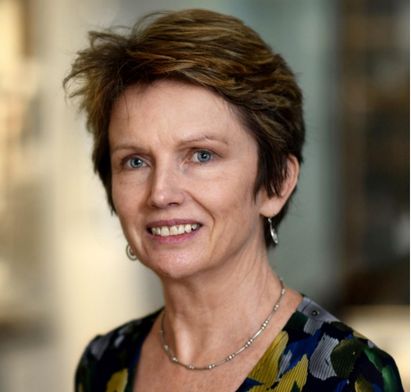
Dr. Cliona Rooney

Meet Dr. Cliona Rooney

Learn from Dr. Rooney at the “Ask me Anything” session during this conference. She will be covering T-cell biology, manufacturing, potency testing and specificity.Dr. Rooney is a translational immunologist with longstanding expertise in the development, genetic engineering, and clinical translation of virus-specific T cells (VSTs) and other adoptive cellular immunotherapies for cancer and virus-associated diseases. Her work has centered on defining how intrinsic properties of the T-cell chassis, including antigen specificity, differentiation state, tissue trafficking, and persistence, govern the efficacy and safety of engineered T-cell therapies. Over the course of her career, she has helped establish antigen-specific T cells as versatile therapeutic platforms for lymphoma, solid tumors, and post-transplant complications.A major focus of her research has been the development of Epstein–Barr virus-specific T cells (EBVSTs) as a cellular platform with advantages over conventional polyclonally activated T cells, including enhanced persistence, tissue homing, and antigen-driven survival. Her laboratory has contributed to their generation, characterization, and clinical application in both autologous and allogeneic settings, demonstrating their safety, long-term persistence, and therapeutic activity. Building on this foundation, her team is now engineering EBVSTs with chimeric antigen receptors (CARs) to improve tumor targeting while preserving the favorable in vivo biology of memory-derived, antigen-specific T cells.A central theme of her work is how to enhance the potency of engineered T cells without increasing immune effector cell–associated toxicities. To address this, her laboratory has developed strategies incorporating constitutive cytokine signaling, safety switches, and combinatorial targeting approaches. These studies support the hypothesis that combining the intrinsic biology of EBVSTs with engineered receptors can yield cellular therapies with improved efficacy and a wider therapeutic window.In parallel with her research program, she leads translational and educational efforts in cell and gene therapy at Baylor College of Medicine, including the Translational Research Laboratories and the Immune Effector Cell Manufacturing Group of their GMP facility. These roles span discovery, translational development, GMP manufacturing, and clinical implementation, enabling the efficient advancement of engineered T-cell therapies from concept to clinic.

Meet Dr. Martín Bonamino

Meet Dr. Martín Bonamino

Martín Hernán Bonamino, PhD, is a Brazilian scientist and leader in cellular and gene therapy, serving as Head of the Cell and Gene Therapy Program at the Brazilian National Cancer Institute (INCA) and holding a position at Fiocruz. Over nearly three decades, he has advanced the development of CAR-T cells and other immunotherapies, with a focus on translating innovative research into clinical applications for cancer patients. He also plays a strategic role in shaping the field in Latin America, including as President of ABTCelGen and as a member of international regulatory and scientific committees.
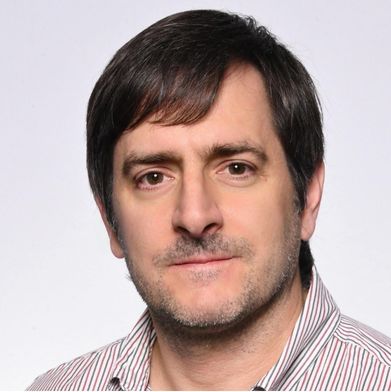
Meet Dr. Edwin Stone

Meet Dr. Edwin Stone

Edwin has spent over 20 years bringing new life science technologies to market, the last 10 of these focused on solving the challenges of cell therapy manufacturing. He established TTP’s cell and gene team which developed over 10 cell therapy automation systems, including systems that are now in routine use for commercial therapy manufacture. Seeing the challenge of scale remained unaddressed, Edwin co-founded Cellular Origins where he is passionate about enabling patient access to cell therapies through scalable, cost-effective and space efficient manufacturing enabled by the Constellation™ automated cell therapy manufacturing platform. He holds a Master’s degree in Engineering and a PhD in robotic vehicles from the University of Cambridge.
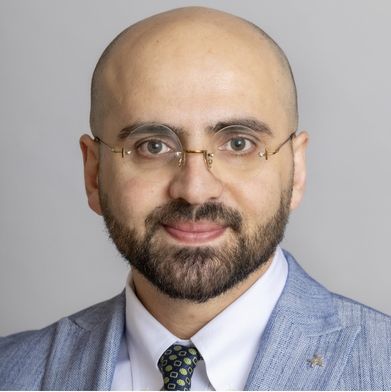
Meet Dr. Meisam Naeimi

Meet Dr. Meisam Naeimi

Dr. Meisam Naeimi is Director of Innovation in the AGCTC at Cincinnati Children’s Hospital and an Associate Professor of Pediatrics and Bone Marrow Transplantation at the University of Cincinnati. He focuses on developing next‑generation cell and gene therapies, including gene‑edited cellular therapies such as CD34+, NK, CAR-NK, CAR-T, and γδT cells in addition to gene therapy and in vivo gene editing of genetic disorders. Dr. Naeimi has experience advancing programs toward the clinic, including IND‑enabling studies and regulatory submissions. At the ACGTC, he helps internal and external partners drive the translation of novel cell and gene therapies toward clinical manufacturing and early‑phase clinical trials. Previously, he served as Director of Gene Editing at Nationwide Children’s Hospital, Assistant Professor at The Ohio State University, and was a site PI of the NIST Gene Editing Consortium. He is recognized for pioneering CRISPR-based immune cell engineering with strong translational and clinical impact.
Dr. Boro Dropolic profile image

Meet Dr. Boro Dropulić

Boro received his PhD from the University of Western Australia and his MBA from the Johns Hopkins University (JHU). He has been in the gene therapy field since the late1980s. After a Fogarty Fellowship at the NIH, he joined the faculty at JHU where he worked on developing Lentiviral vectors as delivery systems for gene therapy. After 4 years in academia, he founded his first company ViRxSys and led the team that first demonstrated the safety of Lentiviral vectors in humans with his UPenn colleagues. Later he founded Lentigen, which first developed the Lentiviral vector used to produce Kymriah™, the first FDA-approved gene therapy product. Later, Boro saw an opportunity to integrate Lentiviral vector technology with closed-system automated cell processing devices to enable distributive place-of-care manufacturing at hospitals, potentially improving the affordability and accessibility of gene therapy products like CAR-T cells. He therefore spearheaded the acquisition of Lentigen by Miltenyi Biotec in 2014 and led the development of a global place-of-care network of clinical centers that were able to successfully manufacture CAR-T cell products and demonstrate their therapeutic benefits in clinical trials. Seeing a need for improved business models to support the affordability and accessibility of gene therapy products, Boro co-founded Caring Cross and serves as the Executive Director.

Meet Dr. Katie McKenna

Katie McKenna, PhD, is an Assistant Professor at the Center for Cell and Gene Therapy, Baylor College of Medicine. She trained in B-cell biology and cancer immunology at the University of Kentucky and completed postdoctoral research at CAGT focused on enhancing the safety and potency of gene-modified T cell therapies for solid tumors. Dr. McKenna develops strategies combining clinically validated CAR-T cells with tumor-targeted viral delivery systems and novel CARs recognizing aberrant glycosylation. She also creates preclinical 3D tumor–stroma models to better predict in vivo clinical outcomes and dissect tumor–immune interactions, aiming to overcome tumor heterogeneity and immunosuppressive microenvironments.

Meet Dr. Joseph Skeate

Dr. Joseph Skeate is an Assistant Professor in the Department of Pediatrics at the University of Minnesota, with collaborative affiliations in the Masonic Cancer Center and the Center for Genome Engineering. He completed his PhD in late 2020, conducting research that spanned from basic science to pre-clinical studies focused on HPV-host interactions and the development of innovative immunotherapies for HPV-driven cancers. As a T32 postdoctoral fellow under the mentorship of Dr. Branden Moriarity at the University of Minnesota, Dr. Skeate developed advanced genome engineering strategies, utilizing novel transposon and Cas9 technologies in primary mammalian effector cells to create effective testing pipelines for cancer immunotherapies. Dr. Skeate recently joined the Department of Pediatrics faculty, where his research focuses on developing high-fidelity genome editing tools to create accessible, next-generation cellular and gene therapies for rare pediatric cancers, inborn errors of immunity, and enzymopathies.

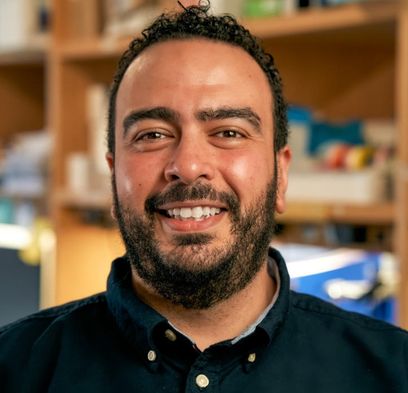
Meet Dr. Magdi Elsallab

Dr. Magdi Elsallab is the Director of the Process Development Laboratory at the Massachusetts General Hospital Cancer Center, where he leads efforts to design and optimize manufacturing processes for cellular immunotherapies. His work focuses on translating innovative gene and cell therapy concepts into robust, scalable, and clinically compliant production platforms. He specializes in advancing CAR T-cell manufacturing technologies, including rapid and point-of-care approaches that aim to reduce production time and improve patient access. Dr. Elsallab integrates process development with regulatory strategy to enable efficient progression from early-stage discovery to clinical application. He received his MD/PhD from Charité – Universitätsmedizin Berlin and completed a fellowship at the Harvard–MIT Center for Regulatory Science, where he developed expertise at the intersection of manufacturing innovation and regulatory science.

Global Resources, Boston Innovation.

Join the coalition accelerating patient cures right here in Boston.
Allogeneic Innovations

Learn about the latest innovations in CAR-NK, CAR-T and γδ T cell therapy.

Helping Start-ups Scale

Hear about the evolving promise of cell and gene therapy through the voices of those who walk the journey alongside patients every day

Network and Engage

Participate in the "Believe Bundle Creation" and support the Emily Whitehead Foundation’s mission to save lives.

Event Sponsors
Event Essentials

Prepare for a full day of innovation, networking, and impact.

May 11 Monday

Mark your calendar

3:00 PM - 9:00 PM

G-Rex Grant Tour

If you're building the future of cell therapy - this is your place

Interested in Sponsoring?

Are you a provider of tools, technology, or services used in research, development, or manufacturing of cell and gene therapies?
Does your innovation pair nicely with G-Rex?
If yes, please consider sponsoring one, some, or all of the G-Rex Grant Tour events.  Your sponsorship is a tax deductible donation to the Emily Whitehead Foundation.