G-Rex® for Gamma Delta T-Cell Therapy

The simplest way to assemble quality gamma delta T-cell therapies.

The Value of Simplicity

Start with fewer cells. Finish with more doses.

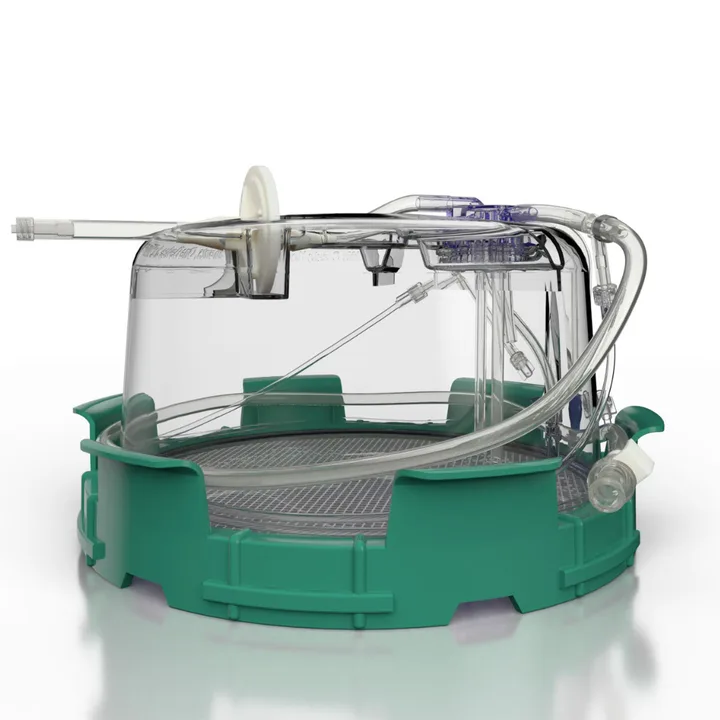
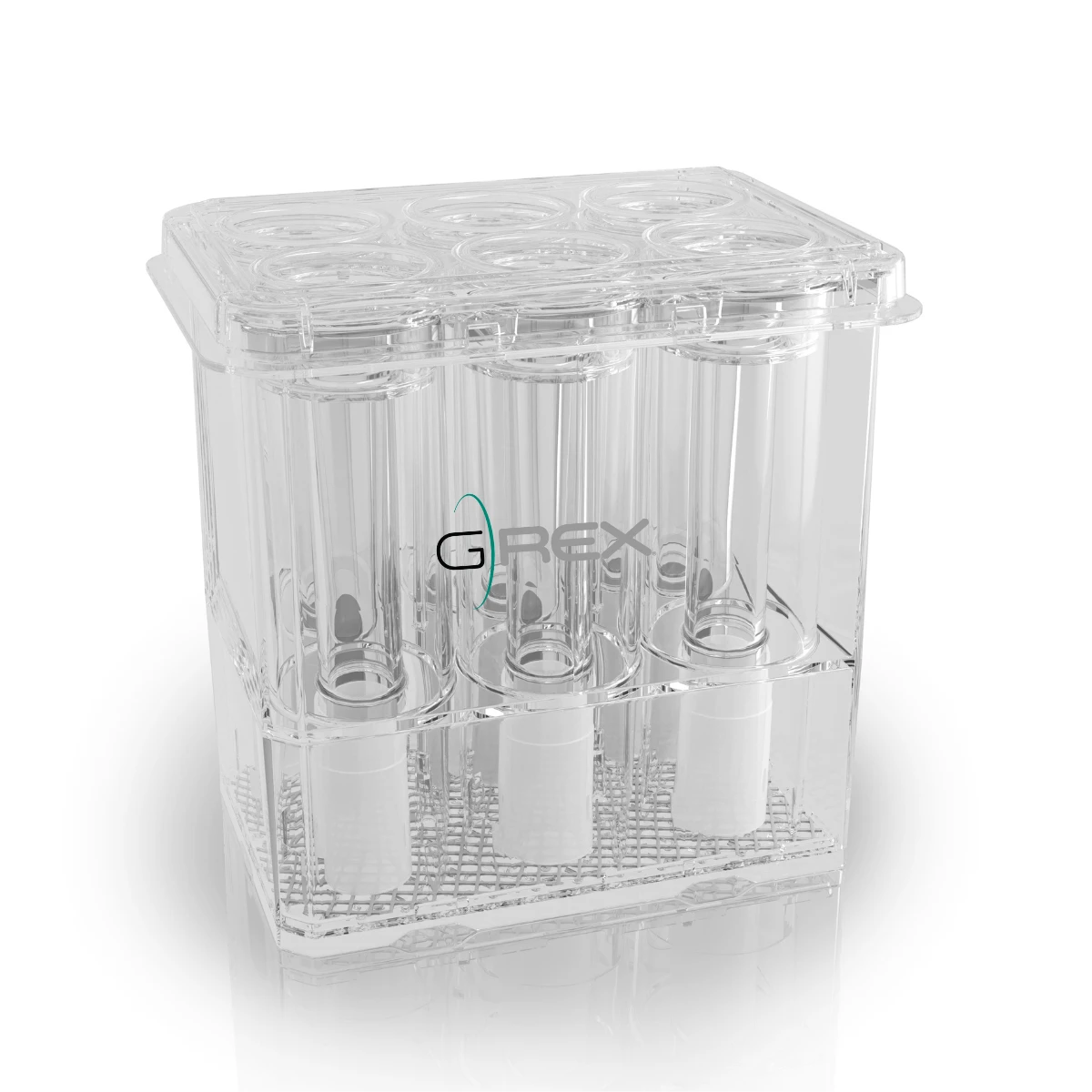
Gamma delta T cells represent only a small percentage of circulating lymphocytes, creating a manufacturing challenge from the very beginning. Small-scale G-Rex® formats support development and manufacturing from limited starting quantities,

while larger G-Rex® bioreactors extend the same fundamental technology toward the large, multi-dose batches characteristic of allogeneic production.

Rare Cells. Real Numbers

G-Rex® can convert a rare starting population into clinically relevant numbers without requiring complex process interventions.

Allogeneic-Ready.

The same G-Rex® technology that accommodates a limited γδ starting population extends to 500 cm² and 5,000 mL formats, carrying a single donor toward the large, multi-dose batches allogeneic production requires.

GMP-Ready.

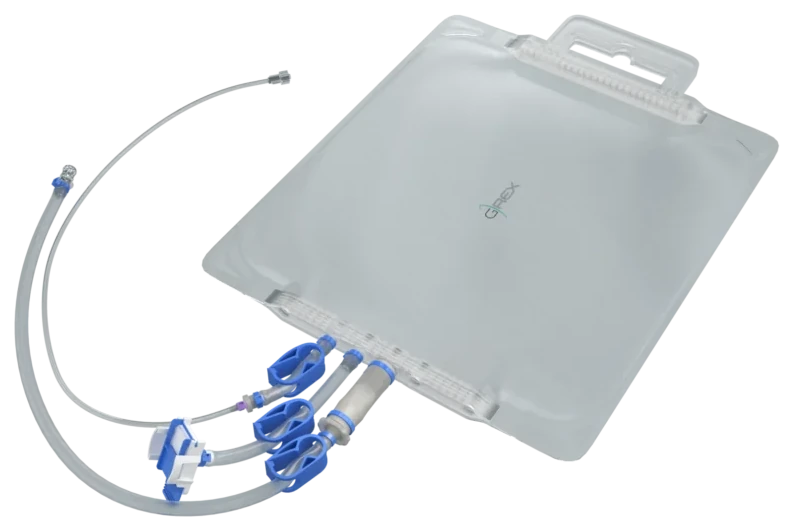
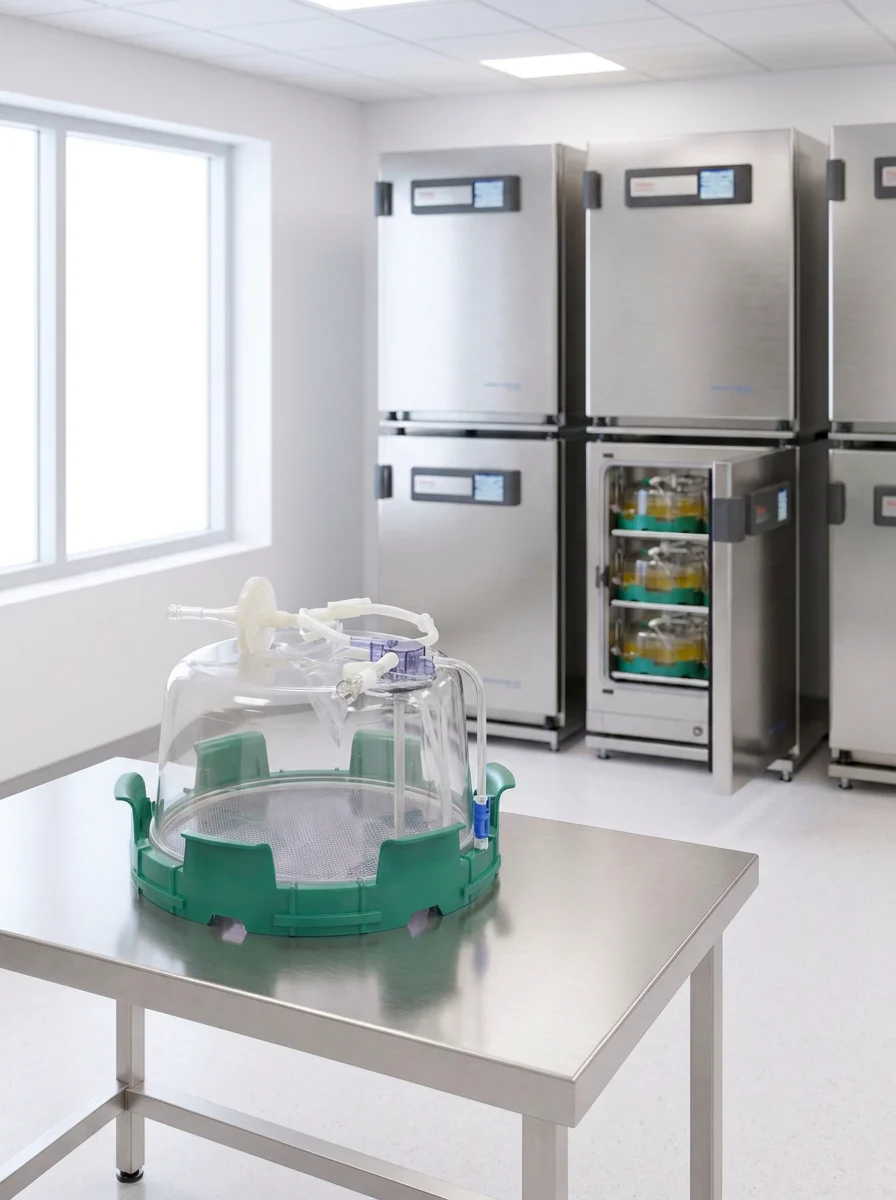
Every G-Rex® bioreactor across that range is sterile and GMP-grade, so the technology used for early development is the same technology that carries a γδ process into clinical manufacturing.

The Gold Standard

The gold standard for gamma delta T-cell therapy.

Academic and industry developers and manufacturers alike use G-Rex® across a growing range of gamma delta T-cell therapies. Published workflows have included Vδ2, Vδ1, and polyclonal γδ T-cell populations; peripheral- and cord-blood-derived starting materials; and unmodified and genetically engineered drug products, including CAR-γδ T cells.

G-Rex® has supported work from institutions including the National University of Singapore, Bambino Gesù Children’s Hospital, the University of Minnesota, Nationwide Children’s Hospital, and other leading translational research centers. Industry developers including Luminary Therapeutics, Expression Therapeutics, and PointLoma BioSciences have also used G-Rex® to advance gamma delta T-cell programs.

Together, this body of work demonstrates that G-Rex® can support the breadth and continued evolution of gamma delta T-cell therapy development.

G-Rex

University of Minnesota

Nationwide Children’s Hospital

Moffitt Cancer Center

Duke University

Luminary Therapeutics

Expression Therapeutics

PointLoma BioSciences

National University of Singapore

Bambino Gesù Children’s Hospital

Explore the Evidence →

A Typical Process

A typical gamma delta T-cell therapy manufacturing process.

Gamma delta T-cell manufacturing processes vary according to the starting material, target population, activation method, and therapeutic design. However, a typical allogeneic process moves from donor-derived starting material through isolation or enrichment, activation, optional genetic engineering, expansion, harvest, formulation, and cryopreservation.

G-Rex® is most commonly incorporated during activation and expansion, providing a practical path from limited starting quantities to large, multi-dose batches.

Donor

Recommended Products

Build your gamma delta cell manufacturing process with ScaleReady.

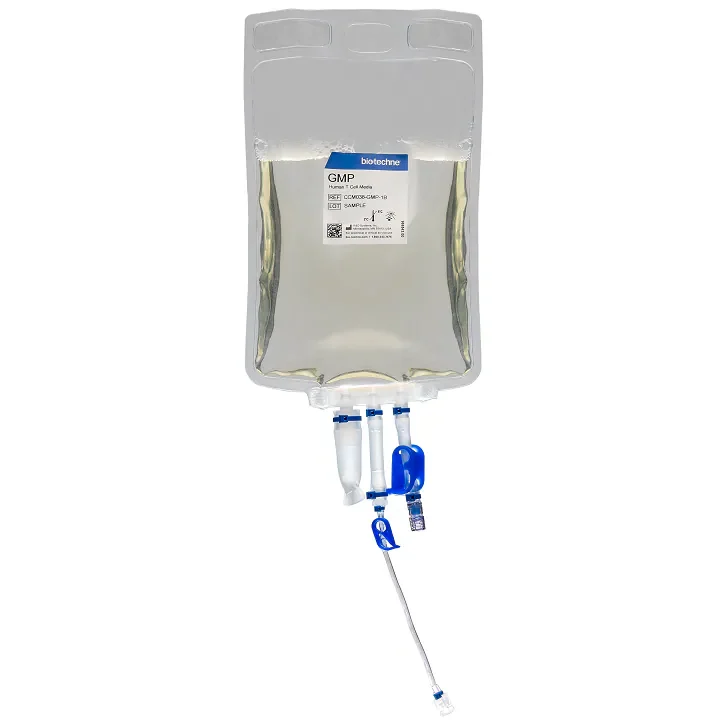
ScaleReady brings together G-Rex® manufacturing technology with Bio-Techne media, cytokines, and gene-engineering tools to support NK cell process development from research through clinical manufacturing.
Explore G-Rex® Products →

Next Steps

Whatever phase your gamma delta T-cell program is at, a G-Rex® Optimization Specialist can help.

Whether you are building a new gamma delta T-cell process, transitioning an existing process to G-Rex®, or optimizing a mature manufacturing workflow, our team can help identify the most practical path forward.

Frequently Asked Questions

Gamma delta T-cell manufacturing FAQs.

How is G-Rex® used in gamma delta T-cell manufacturing?

G-Rex® is commonly used during activation and expansion. Published workflows have used G-Rex® to manufacture unmodified and genetically engineered gamma delta T-cell drug products from multiple starting materials and γδ T-cell populations.

Can G-Rex® accommodate small gamma delta T-cell starting populations?

Yes. Gamma delta T cells represent only a small percentage of circulating lymphocytes. Small-scale formats such as G-Rex®5M and G-Rex®10M can support development and manufacturing from limited starting cell quantities.

Can G-Rex® support allogeneic gamma delta T-cell manufacturing?

Yes. The G-Rex® product family spans small-, mid-, and large-scale formats. This allows developers to begin with limited gamma delta T-cell populations and progress toward the large, multi-dose batches characteristic of allogeneic manufacturing.

Which gamma delta T-cell populations have been expanded in G-Rex®?

Published G-Rex® workflows have included Vδ2, Vδ1, and polyclonal γδ T-cell populations.

Which starting materials have been used?

Published workflows have generated G-Rex®-expanded gamma delta T cells from peripheral-blood- and cord-blood-derived starting materials.

Can G-Rex® support genetically engineered gamma delta T-cell products?

Yes. Published and patented workflows have incorporated G-Rex® into the manufacture of genetically engineered gamma delta T-cell products, including CAR-γδ T cells. Engineering approaches have included viral transduction using retroviral, lentiviral, and AAV vectors; nonviral transposition with TcBuster; and CRISPR-mediated gene editing.

Which G-Rex® formats are available for gamma delta T-cell manufacturing?

Sterile, GMP-grade G-Rex® bioreactors are available in sizes ranging from 5 cm² with a 50 mL working volume to 500 cm² with a 5,000 mL working volume. This range allows developers to select formats appropriate for limited starting populations, intermediate process scales, and large allogeneic production batches.

Have a different question? Connect with a G-Rex® Optimization Specialist.

Evidence & References

Peer-reviewed evidence from academia and industry.

Explore the published evidence supporting the use of G-Rex across gamma delta T-cell research, development, and clinical manufacturing.

  1. Xiao L, et al. Large-scale expansion of Vγ9Vδ2 T cells with engineered K562 feeder cells in G-Rex vessels and their use as chimeric antigen receptor-modified effector cells. Cytotherapy. 2018;20(3):420–435. doi:10.1016/j.jcyt.2017.12.014.
  2. Polito VA, et al. Universal ready-to-use immunotherapeutic approach for the treatment of cancer: Expanded and activated polyclonal γδ memory T cells. Frontiers in Immunology. 2019;10:2717. doi:10.3389/fimmu.2019.02717.
  3. Ang WX, et al. Electroporation of NKG2D RNA CAR improves Vγ9Vδ2 T cell responses against human solid tumor xenografts. Molecular Therapy: Oncolytics. 2020;17:421–430. doi:10.1016/j.omto.2020.04.013.
  4. Ferry GM, et al. A simple and robust single-step method for CAR-Vδ1 γδT cell expansion and transduction for cancer immunotherapy. Frontiers in Immunology. 2022;13:863155. doi:10.3389/fimmu.2022.863155.
  5. Sánchez Martínez D, et al. Generation and proof-of-concept for allogeneic CD123 CAR-Delta One T cells in acute myeloid leukemia. Journal for ImmunoTherapy of Cancer. 2022;10:e005400. doi:10.1136/jitc-2022-005400.
  6. Zhang X, et al. Vγ9Vδ2 T cells expressing a BCMA-specific chimeric antigen receptor inhibit multiple myeloma xenograft growth. PLOS ONE. 2022;17(6):e0267475. doi:10.1371/journal.pone.0267475.
  7. Boucher JC, et al. Large scale ex vivo expansion of γδ T cells using artificial antigen-presenting cells. Journal of Immunotherapy. 2023;46(1):5–13. doi:10.1097/CJI.0000000000000445.
  8. Ng JWK, et al. Cord blood-derived Vδ2+ and Vδ2− T cells acquire differential cell state compositions upon in vitro expansion. Science Advances. 2023;9(24):eadf3120. doi:10.1126/sciadv.adf3120.
  9. Snyder G, et al. Allogeneic polyclonal CD38KO/CD38-CAR γδT cells for the treatment of T cell malignancies [Preprint]. bioRxiv. 2025. doi:10.1101/2025.08.30.673295.
  10. Bridge J, et al. Efficient multiplex non-viral engineering and expansion of polyclonal γδ CAR-T cells for immunotherapy. Molecular Therapy. 2026;34(6):3456–3471. doi:10.1016/j.ymthe.2026.03.007.
  11. Webber BR, Moriarity BS, Bridge JE. Large-scale expansion of engineered human gamma delta T cells. U.S. Patent Application Publication No. US 2025/0017966 A1. 2025.
  12. ScaleReady. San Diego G-Rex Grant Tour 2026 - Point Loma Biosciences Presentation — Dr. Haiyan Jiang
  13. ScaleReady. Raleigh G-Rex Grant Tour 2026 - Cell and Gene Therapy Innovations using Gamma Delta T-Cells — Dr. Christopher Doering
  14. ScaleReady. Raleigh G-Rex Grant Tour 2026 - Understanding Gamma Delta T-Cell Biology to Inform Clinical Translation — Dr. Daniel Abate-Daga
  15. ScaleReady. Raleigh G-Rex Grant Tour 2026 - Gamma Delta T-Cell Therapy, Allogeneic Cell Therapy, G-Rex Manufacturing — Dr. Richard Lopez
  16. ScaleReady. G-Rex Grant awarded to Luminary Therapeutics. 2024.