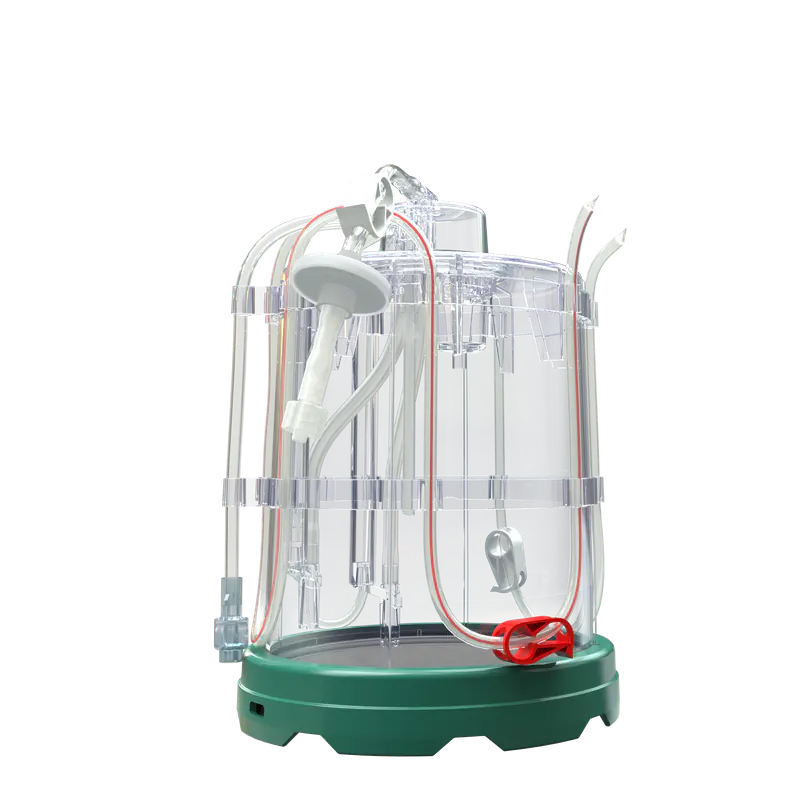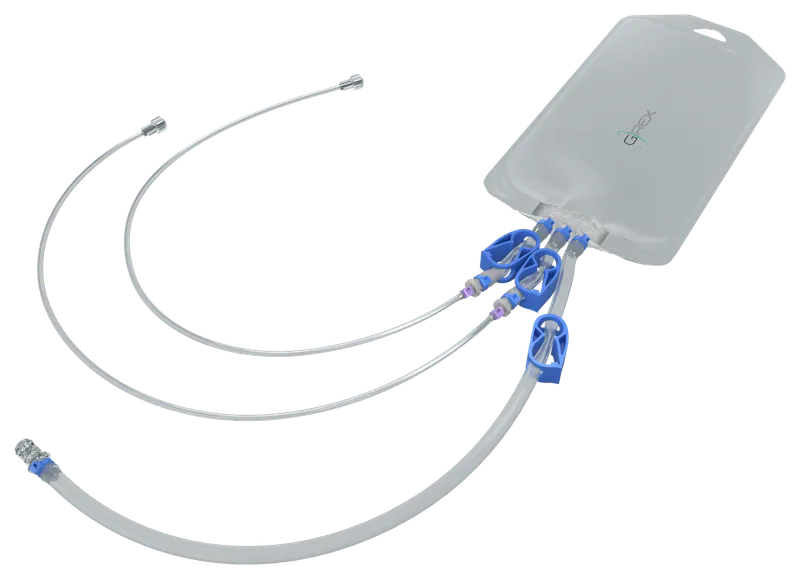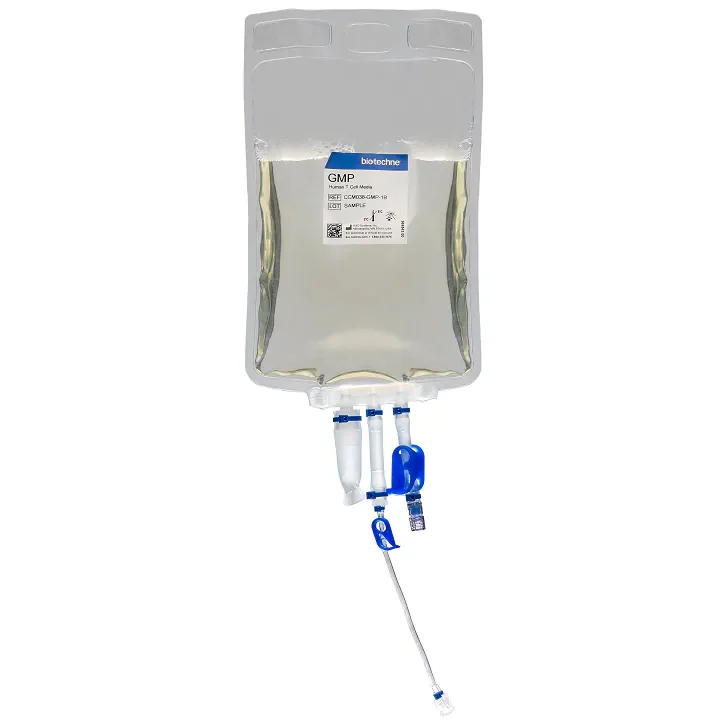
G-Rex® for CAR-T Cell Therapy

The simplest way to assemble quality CAR-T cell therapies.

Build your CAR-T manufacturing process around a simple, modular and linearly scalable platform designed to integrate activation, transduction, expansion and other unit operations - from early process development through commercial manufacturing.

The Value of Simplicity

In CAR-T cell therapy, simplicity is the ultimate sophistication.

CAR-T manufacturing is inherently complex. It requires coordinated logistics followed by a sequence of enrichment, activation, genetic engineering, expansion, harvest, and formulation. The sophistication of the therapy does not require equal complexity from the manufacturing platform.

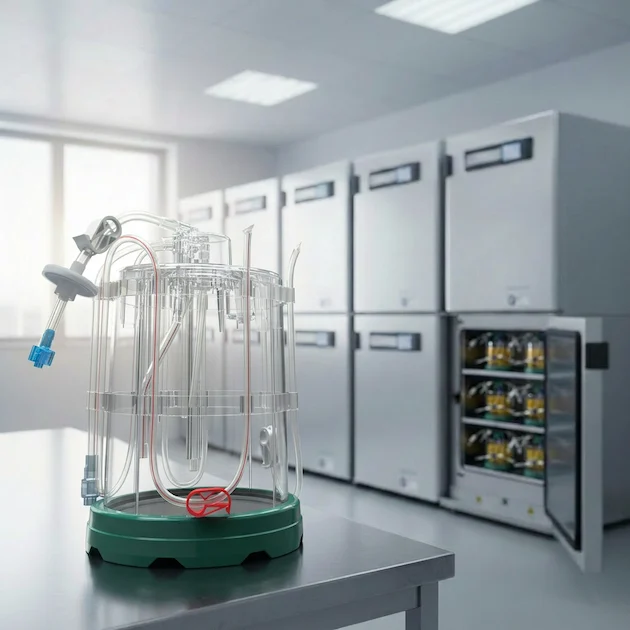
G-Rex® simplifies the process by allowing cells to access oxygen and nutrients through passive mechanisms rather than pumps, perfusion circuits, or bespoke culture instrumentation (just a standard incubator). That simpler foundation gives manufacturers greater freedom to assemble the technologies, reagents, and unit operations that best fit their therapy.

Simpler Design Space

Passive oxygenation, nutrient delivery, and waste dilution reduce dependence on mechanical agitation systems. Fewer variables to control when assuring drug product quality means greater clarity and focus on the process parameters that are truly critical.

Integrated Unit Operations

Published workflows have demonstrated that major unit operations - including T cell enrichment, activation, transduction, expansion, concentration, and harvest - can be integrated around a common vessel architecture.

Linear Scalability

G-Rex®'s linear scalability supports reduced-scale model development for cost-effective and expeditious process development and continuous improvement, while its modularity enables efficient scale-out through parallelization and cycle-time reduction.

The Gold Standard

The gold standard for CAR-T cell therapy.

From the institutions that pioneered CAR-T cell therapy to the manufacturers bringing it to patients at commercial scale, G-Rex® has become a foundational manufacturing platform for the field.

Stanford Medicine, Penn, NIH/NCI, UCSF, USC/CHLA, Seattle Children’s and other leading cell therapy programs have publicly documented the use of G-Rex® in CAR-T development and manufacturing. At Seattle Children’s alone, G-Rex® has been used to manufacture cell therapies for hundreds of clinical trial participants.

Today, G-Rex® is used to make six commercially approved cell therapies and leading CAR-T cell therapies bringing hope to thousands of cancer patients.
G-Rex

Academics

Baylor College of Medicine

Seattle Children’s

Stanford Medicine

NIH/NCI

UCSF

City of Hope

Biotechs

March Bio

Brainchild Bio

A2 Bio

Verismo

Moonlight Bio

Caring Cross

Commercially Approved

ImmunoACT

Curacell

Leading Car-T Manufacturer

Leading Car-T Manufacturer in China & Singapore

Explore the Evidence →

A Typical Process

CAR-T cell therapy manufacturing made simple.

Across published CAR-T workflows, G-Rex® has been used to integrate enrichment, activation, viral and non-viral genetic engineering, expansion, concentration, and harvest while remaining compatible with a broad range of ancillary technologies and reagents.

G-Rex® provides a simple, modular foundation around which those choices can be assembled - allowing individual unit operations to evolve without requiring the entire manufacturing platform to change.

Patient Starts and ends with the patient
01 Apheresis

Starting material is most often collected by apheresis and transported to a hospital-based, regional, or centralized manufacturing facility. Whole blood can also provide sufficient T cells for G-Rex® CAR-T manufacturing and may reduce the procedural burden, infrastructure requirements, and travel associated with apheresis—particularly for pediatric patients.

Hear Caring Cross’s Dr. Boro Dropulić present on Using Whole Blood for Adult CAR-T Manufacturing

Hear Seattle Children’s Dr. Andras Heczey present on Eliminating Apheresis for Pediatric CAR-T Manufacturing

02 Enrichment

G-Rex® accommodates both in-vessel and instrument-based enrichment. SepaRex® integrates CTS™ Detachable Dynabeads™ directly within G-Rex®. For users already invested in instruments such as Prodigy® or MARS® Bar, enriched T cells can be eluted directly into G-Rex®, freeing the instrument for another batch and increasing throughput and return on investment.

Hear Stanford CCT’s Dr. Ramya Tunuguntla present on Integrated T-Cell Enrichment in G-Rex

03 Activation

G-Rex® is compatible with standard soluble activation reagents, including TransAct™ and ImmunoCult™, as well as CTS™ Dynabeads™ and CTS Detachable Dynabeads. When starting with peripheral blood mononuclear cells rather than enriched T cells, Bio-Techne GMP anti-CD3 and anti-CD28 antibodies provide an additional soluble activation strategy.

04 Genetic Engineering

G-Rex® supports lentiviral and retroviral transduction. Transduction enhancers such as RetroNectin® can improve transduction efficiency and simplify the workflow by enabling static transduction without spinoculation. G-Rex® also integrates with electroporation-based engineering using CRISPR/Cas9 and transposon systems such as TcBuster®, Sleeping Beauty, and piggyBac.

05 Expansion

Expansion duration in G-Rex® can be tailored to the needs of the therapy—from ultra-rapid processes to conventional workflows that typically reach maximum cell density within 7–10 days. G-Rex® accommodates different media, cytokines, feeding strategies, and manufacturing endpoints without changing the fundamental expansion platform.

Hear UPENN’s Dr. Saba Ghassemi present on Rapid CAR-T Manufacturing in G-Rex

06 Harvest & Concentration

G-Rex® supports closed-system cell harvest using conventional transfer and separation technologies. GatheRex® enables controlled media removal and in-vessel concentration while cells remain settled on the gas-permeable membrane, reducing the volume transferred into downstream washing, concentration, formulation, or fill-and-finish equipment.

07 Formulation & Fill/Finish

G-Rex® can connect with commonly used downstream washing, concentration, and formulation systems, including Fresenius Kabi’s LOVO® and Cue®, Thermo Fisher Scientific’s Rotea™ and Compleo™, and Cytiva’s Sepax™ C-Pro. The formulated CAR-T drug product can then be filled into weldable bags, CellSeal® vials, or other containers selected for fresh or cryopreserved administration.

Recommended Products

Build your CAR-T manufacturing platform in G-Rex®.

From process development through commercial manufacturing, the G-Rex® product family provides a common platform for developing, scaling, and operating CAR-T manufacturing processes.

Select the vessel format and complementary technologies that fit the needs of your process today - with a pathway to evolve as your therapy advances.
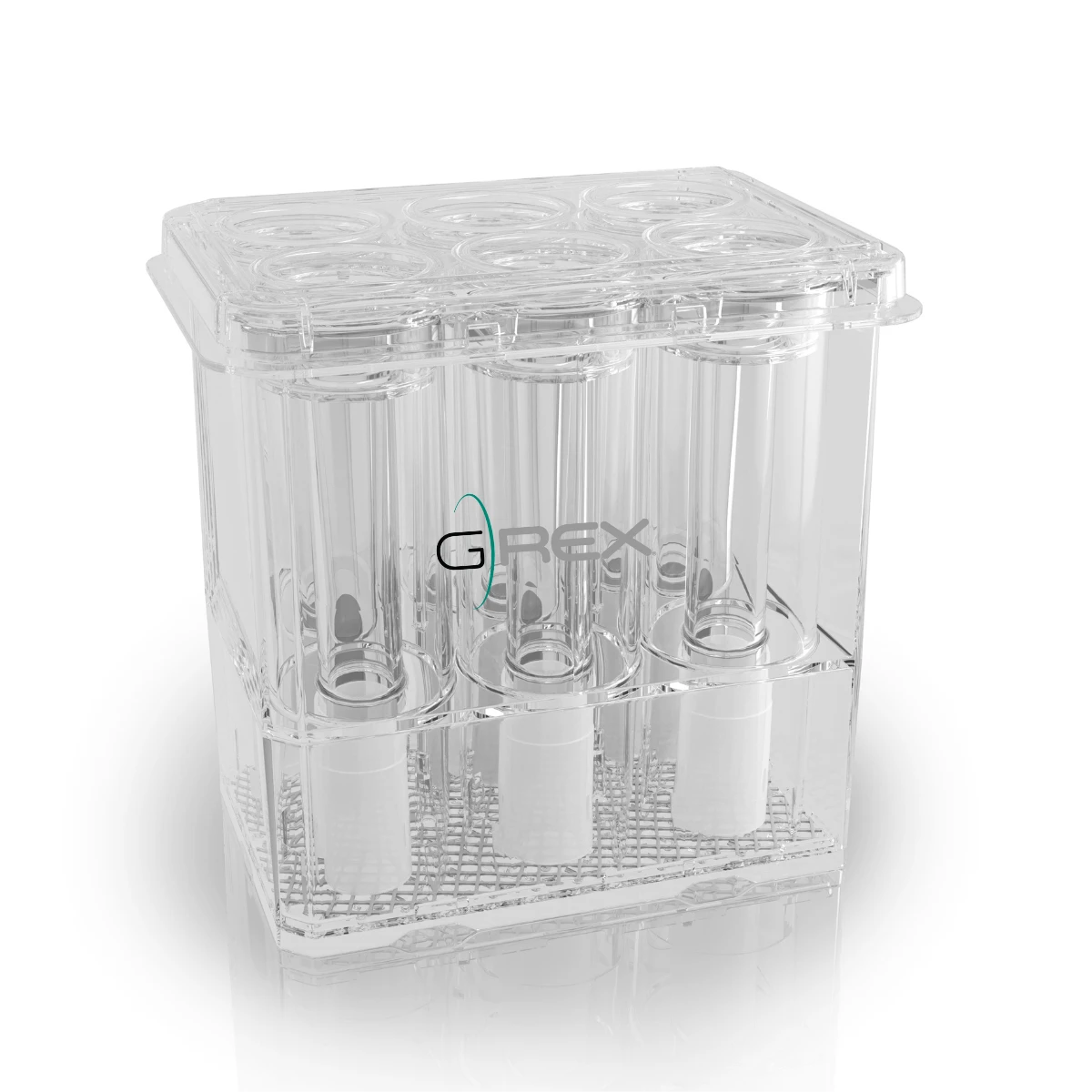
Explore G-Rex® Products →

Next Steps

Whatever phase your CAR-T program is in, a G-Rex® Optimization Specialist can help.

Whether you are building a new CAR-T process, transitioning an existing process to G-Rex®, or optimizing a mature manufacturing workflow, our team can help identify the most practical path forward.

Frequently Asked Questions

Frequently asked questions about G-Rex® for CAR-T cell therapy.

What makes G-Rex® different from other CAR-T bioreactors?

G-Rex® relies on passive gas exchange and a large media reservoir to provide cells with access to oxygen and nutrients without pumps, perfusion circuits, or dedicated culture instrumentation beyond a standard incubator.

Is G-Rex® only used for cell expansion?

No. G-Rex®-centered CAR-T workflows have incorporated enrichment, activation, viral transduction, non-viral genetic engineering, expansion, concentration, and harvest.

Can G-Rex® support closed-system CAR-T manufacturing?

Yes. Closed-system G-Rex® bioreactors and complementary technologies are available for clinical and commercial manufacturing workflows.

Is G-Rex® linearly scalable?

Yes. G-Rex® formats allow process parameters developed at reduced scale to be translated into larger manufacturing formats using the same fundamental vessel architecture.

Can G-Rex® be used with both viral and non-viral CAR-T engineering technologies?

Yes. Published CAR-T processes have demonstrated G-Rex® compatibility with retroviral and lentiviral transduction as well as non-viral genome-engineering approaches.

Can an existing CAR-T process be transitioned to G-Rex®?

Yes. The appropriate transition strategy depends on the maturity of the process, existing manufacturing platform, and regulatory stage. A G-Rex® Optimization Specialist can help evaluate the technical and comparability considerations.

Does G-Rex® require frequent media exchanges?

Not typically. In standard CAR-T workflows, the media capacity (10mL/cm2) of G-Rex® can eliminate the need for frequent feeding or media exchange. In some workflows that add certain molecules (e.g. small-molecules for CAR enrichment) with poor or unknown stability, a media exchange or supplementation may be necessary, and therefore it depends on the specific CAR-T process.

How can cell growth be monitored in G-Rex®?

Traditional approaches include sampling the supernatant to obtain media samples and correlating metabolite concentrations (e.g. glucose and lactate) to viable cell densities (cells/cm2). SMART G-Rex® and SensoRex® provide an integrated, non-invasive option for monitoring cell growth without physically sampling the culture.

Which G-Rex® format is appropriate for my CAR-T process?

The appropriate format depends on development stage, starting cell number, target dose, process duration, and manufacturing strategy. Reduced-scale and manufacturing-scale formats allow the platform to be matched to the needs of the program.

How do I get started?

A G-Rex® Optimization Specialist can review your existing or proposed process and help identify an appropriate development, transition, optimization, or scale-up strategy.

Have a different question? Connect with a G-Rex® Optimization Specialist.

Evidence & References

Peer-reviewed evidence from academia and industry.

Explore the published evidence supporting the use of G-Rex® across virus-specific T-cell research, development, and clinical manufacturing.

  1. Bajgain P, Mucharla R, Wilson J, et al. Optimizing the production of suspension cells using the G-Rex® “M” series. Molecular Therapy - Methods & Clinical Development. 2014;1:14015. doi:10.1038/mtm.2014.15.
  2. Gagliardi C, Khalil M, Foster AE. Streamlined production of genetically modified T cells with activation, transduction and expansion in closed-system G-Rex® bioreactors. Cytotherapy. 2019;21:1246-1257.
  3. Gohil M, Hasenmayer D, Haines KM, et al. A supply chain crisis story: culture bag shortage enforced validation of an alternative expansion system for CAR T cells. Cytotherapy. 2022;24(Suppl):S160. Abstract 901.
  4. Shy BR, Vykunta VS, Ha A, et al. High-yield genome engineering in primary cells using a hybrid ssDNA repair template and small-molecule cocktails. Nature Biotechnology. 2022. doi:10.1038/s41587-022-01418-8.
  5. Balke-Want H, Keerthi V, Gkitsas N, et al. Homology-independent targeted insertion (HITI) enables guided CAR knock-in and efficient clinical scale CAR-T cell manufacturing. Molecular Cancer. 2023;22:100. doi:10.1186/s12943-023-01799-7.
  6. Xiong Y, Xie Y, Zhu Z, et al. Technological and Manufacturing Innovation Drive Improved Access to Engineered T Cell Therapies. Medical Research Archives. 2023;11(11). doi:10.18103/mra.v11i11.4759.
  7. Song HW, Prochazkova M, Shao L, et al. CAR-T cell expansion platforms yield distinct T cell differentiation states. Cytotherapy. 2024;26:757-76
  8. doi:10.1016/j.jcyt.2024.03.003.8. Melocchi A, Schmittlein B, Sadhu S, et al. Automated manufacturing of cell therapies. Journal of Controlled Release. 2025;381:113561. doi:10.1016/j.jconrel.2025.02.057.
  9. Langa P, Sharma K, Sellers DL, et al. Enrichment of CD4+ and CD8+ T lymphocytes with a column-free flow-based device for clinical cell manufacturing. Cytotherapy. 2025. doi:10.1016/j.jcyt.2024.12.009.
  10. Pileggi J, Siddiqui M, Ramos C, et al. Proof of concept of a fully enclosed CAR-T process without use of a biosafety cabinet. Cell & Gene Therapy Insights. 2025;11(7):897-907. doi:10.18609/cgti.2025.100.
  11. Tabatabaei-Zavareh N, Yu J, Ewen CL, et al. Development of Robust T Cell Manufacturing Protocols in Bioreactors Using cGMP-Compliant Ancillary Reagents. STEMCELL Technologies poster. 2025.
  12. Diez B, Calviño C, Fernández-García M, et al. Generation and GMP scale-up of human CAR-T cells using non-viral Sleeping Beauty transposons for B cell malignances. Molecular Therapy - Methods & Clinical Development. 2025. doi:10.1016/j.omtm.2025.101425.
  13. Cadinanos-Garai A, Flugel CL, Cheung A, Jiang E, Vaissié A, Abou-el-Enein M. High-dimensional temporal mapping of CAR T cells reveals phenotypic and functional remodeling during manufacturing. Molecular Therapy. 2025;33(5). doi:10.1016/j.ymthe.2025.04.006.
  14. Roy S, Rothstein S, Shervheim A, et al. SMART sensors for cell growth monitoring in closed system G-Rex® for scalable, cost-conscious cell and gene therapy manufacturing. Cytotherapy. 2026;28:102034. doi:10.1016/j.jcyt.2025.102034.
  15. Gkitsas-Long N, Retherford AJ, Fowler C, et al. Integrated T-Cell Enrichment, Static Transduction, and Expansion in Gas-Permeable Bioreactors for Adoptive Cell Therapy. Cytotherapy. 2026. doi:10.1016/j.jcyt.2026.102970.
  16. Quon T, Porrias T, Vaissié A, et al. Streamlined production of dual CAR T cells with linear scale-up in G-Rex® culture systems. USC/CHLA Cell Therapy Program poster. 2026.
  17. ScaleReady. G-Rex® Technology for CGT Manufacturing. Public website. Accessed August 12, 2026. Publicly states that G-Rex® is used to make six commercially approved drug products.
  18. ScaleReady / Bio-Techne. ScaleReady Announces a G-Rex® Grant has been awarded to Seattle Children’s Therapeutics. PR Newswire. January 8, 2025.
  19. ScaleReady / Bio-Techne. ScaleReady Awards G-Rex® Grants to Support Cell and Gene Therapy Manufacturing in California. PR Newswire. September 9, 2025.
  20. ScaleReady / Bio-Techne. ScaleReady Announces multiple G-Rex® Grants have been awarded to leading investigators at the Baylor College of Medicine’s Center for Cell and Gene Therapy. PR Newswire. November 7, 2024.
  21. ScaleReady / Bio-Techne. ScaleReady Announces Award of a G-Rex® Grant to the Gates Institute’s Translational Sciences Laboratory. PR Newswire. August 14, 2025.
  22. 2026 Grant Tour Philadelphia - Cell and Gene Therapy, Decentralized Point of Care Manufacturing, CAR T-cell Manufacturing — Dr. Boro Dropulić.
  23. 2026 Grant Tour Philadelphia - One Day CAR T Platform — Dr. Saba Ghassemi.
  24. 2026 Grant Tour San Francisco - Advancing CAR T-Cell Manufacturing Without Apheresis — Dr. Andras Heczey
  25. 2026 Grant Tour San Francisco - Targeting GPC2 with CAR T-Cell Therapy for Pediatric Medulloblastoma and Neuroblastoma — Dr. Steve Feldman
  26. 2026 Grant Tour San Diego - FAP Alpha-Targeted CAR T Therapy for Glioblastoma and Solid Tumors — Dr. Dan McLeod